

Igus Linear Bearings: Structure, Types and Model Code Guide

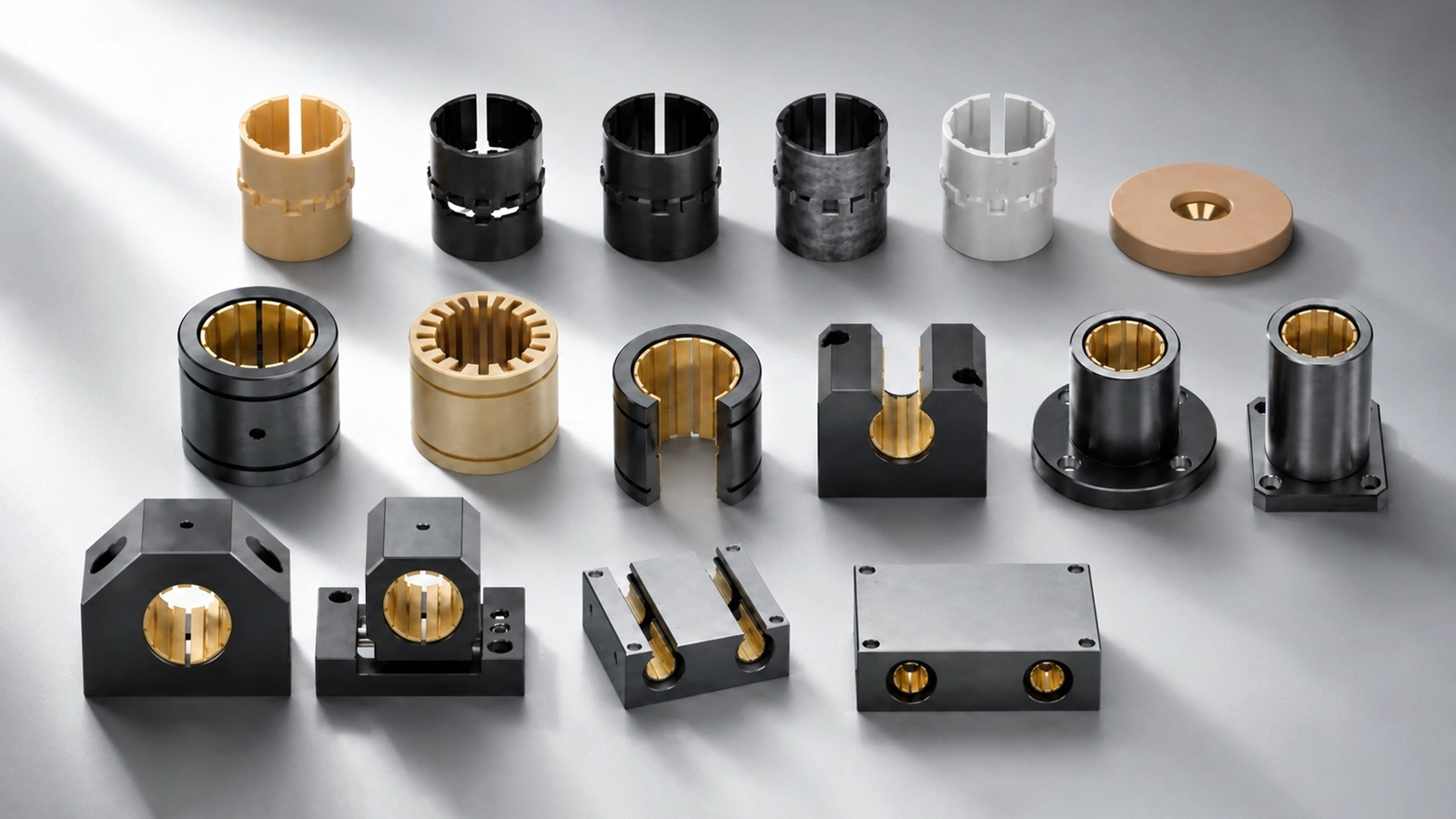
When buyers search for igus linear bearings, the model number alone is not always enough for a safe purchasing decision. Linear plain bearings may look simple from the outside, but the housing type, liner material, shaft arrangement, self-aligning function and mounting style can change the way the part performs in real equipment.
This guide explains how to read the structure and product type before discussing a replacement option. It is written for distributors, maintenance teams, equipment builders and industrial buyers who need to confirm a linear bearing model, compare a similar product, or send a clear inquiry for sourcing support.
Table of contents
- Igus Linear Plain Bearings: Main Product Types
- Structure of Igus Linear Bearings
- Igus Round Shaft Guide Systems: What Buyers Should Check
- How to Read Igus Linear Bearing Model Numbers
- Typical Applications for Igus Linear Bearings
- Buying Checklist Before Asking for Replacement Support
- Igus Linear Bearings Model List and Main Parameters
- How HSN Supports Linear Bearing Replacement and Sourcing Discussion
- FAQ
Igus Linear Plain Bearings: Main Product Types
igus linear plain bearings are different from recirculating ball bearings. They use a sliding liner instead of rolling balls. Therefore, buyers should check the sliding material, shaft material and working environment, not only the dimensions.
The main product forms include:
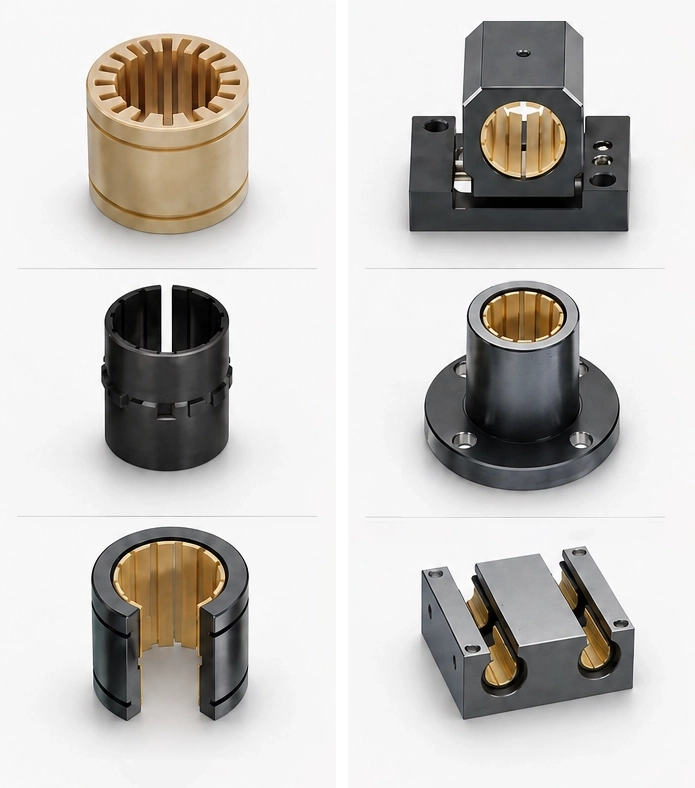
- Linear plain bearings. These normally use an aluminum or stainless steel adapter with an internal polymer liner. They may be closed, open, fixed or self-aligning.
- Liners and pressfit bearings. These are used when the buyer needs a lightweight, corrosion-resistant and cost-conscious option. The exact material should be confirmed according to shaft and application requirements.
- Open linear plain bearings. These are used with supported shafting. They allow the bearing to run on a shaft that is supported along its length.
- Pillow blocks and floating pillow blocks. These units simplify installation and can help when the machine design needs easier assembly or liner replacement.
- Flange bearings. Round, square, standard or twin flange designs can be used when the bearing must be fixed directly to a mounting surface.
- Quad blocks. These units contain multiple liners in one housing and are used when the machine requires a compact linear guide block.
Structure of Igus Linear Bearings
A typical igus linear plain bearing is built around the relationship between the shaft, the liner and the housing. The liner provides the sliding surface. The housing or adapter supports the liner and connects the bearing to the machine frame. In many DryLin-style round shaft systems, the liner can be replaced, which is useful for maintenance and cost control.
The liner material is a key selection point. Type J polymer is commonly used as an all-purpose sliding material, while other liner options may be considered for different shaft materials, higher temperature, chemical exposure, ESD-related requirements or special application conditions. For this reason, a buyer should not select a replacement only by ID, OD and length.
Housing design also matters. A fixed housing is suitable when the shaft alignment and mounting accuracy are already controlled. A self-aligning housing can help compensate for small alignment errors. However, it is not a substitute for poor machine design. The shaft layout, load direction and drive position still need to be reviewed.
Igus Round Shaft Guide Systems: What Buyers Should Check
Round shaft guide systems are often selected when equipment needs clean sliding motion, low maintenance and good performance in dusty, wet or dirty environments. Compared with ball-type linear bearings, polymer-lined plain bearings do not rely on recirculating balls. This can reduce sensitivity to dirt in many applications and remove the need for regular lubrication in suitable designs.
Before ordering, buyers should check three groups of details:
- Shaft details: shaft diameter, shaft material, surface condition, unsupported or supported shafting, and whether hard-anodized aluminum, steel, stainless steel or another shaft material is used.
- Bearing details: closed or open type, fixed or self-aligning housing, flange or pillow block form, liner material and overall length.
- Application details: load, speed, stroke length, temperature, moisture, dust, chemicals, cleaning process and required service life.
These details help avoid a common mistake: assuming that a dimensionally similar part will work in the same way. For linear plain bearings, shaft material and surface quality can strongly influence friction, wear and motion stability.
How to Read Igus Linear Bearing Model Numbers
Igus linear bearing model numbers often include information related to the product family, structure, material and size. The exact meaning should always be confirmed from the complete part number, but several practical clues can guide the first review.
1. Series or Family Code
Prefixes such as RJUI, RJI, OJUI, FJUI, RJUM, OJUM, JUM, TUM, E7UM and A180UM are often used to separate different structures or material families. For example, one code may indicate a linear plain bearing with an adapter, while another may indicate a solid polymer version, an open design, or a flange housing. When sending an inquiry, provide the full code exactly as marked.
2. Open, Closed, Fixed or Self-Aligning Design
Model codes may also reflect whether the bearing is closed or open, and whether it uses a fixed or self-aligning housing. This is important because a closed bearing for unsupported shafting cannot simply be replaced by an open bearing for supported shafting without checking the machine structure.
3. Size Code
The final digits or size reference normally relate to shaft diameter or bearing size. However, buyers should still confirm ID, OD, length and housing fit. Inch and metric sizes can both appear in linear motion projects, so a drawing or photo with measurements can prevent ordering errors.
4. Material Code
Material codes may relate to different liner materials. The correct liner depends on the shaft, load, speed, temperature and environment. If the application includes washdown, powder, chemicals, high temperature or static electricity concerns, these conditions should be included in the inquiry.
Typical Applications for Igus Linear Bearings
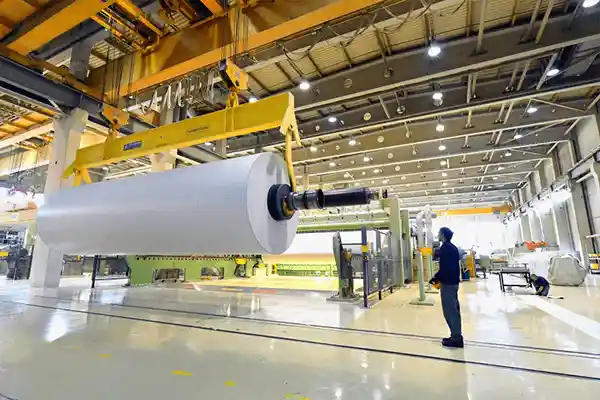
Igus linear bearings are often considered for equipment where simple sliding motion, low maintenance and resistance to dirt are important. Typical application areas include packaging machines, lab equipment, kiosk systems, 3D printers, food production and packaging machinery, cutting tables, saw mill guide systems and equipment with dusty or moist operating conditions.
The practical question is not only where the bearing is used, but why the machine designer selected a plain bearing. In many cases, the reason may include limited lubrication access, contamination, lightweight design, corrosion resistance, quiet motion, or easier liner replacement. These reasons should be understood before selecting a replacement option


Buying Checklist Before Asking for Replacement Support
A clear inquiry saves time and reduces the risk of selecting the wrong structure. Before requesting an alternative or sourcing option, prepare the following information:
- Full original model number and brand reference
- Photos of the bearing, housing and shaft arrangement
- Drawing or measured dimensions, including ID, OD, length and mounting details
- Closed, open, flange, pillow block, liner-only or quad block structure
- Fixed or self-aligning requirement
- Shaft diameter, shaft material and supported or unsupported shafting
- Load, speed, stroke length and installation direction
- Working environment, including dust, moisture, chemicals, temperature and cleaning process
- Quantity, target delivery time and inspection requirements
Igus Linear Bearings Model List and Main Parameters
| Part Number | Housing Fit |
Size I.D. (inch) |
Length (inch) |
Housing Type |
Weight (lb) |
|---|---|---|---|---|---|
| A-RJZI-01-04 | Fixed housing | 1/4 | 3/4 | Closed | 0.00 |
| A-RJUI-01-08 | 1/2 | 1-1/4 | 0.04 | ||
| A-RJUI-01-12 | 3/4 | 1-5/8 | 0.06 | ||
| A-RJUI-01-16 | 1 | 2-1/4 | 0.23 | ||
| A-RJI-01-08 | 1/2 | 1-1/4 | 0.03 | ||
| A-RJI-01-12 | 3/4 | 1-5/8 | 0.05 | ||
| A-RJI-01-16 | 1 | 2-1/4 | 0.11 | ||
| A-OJUI-01-08 | 1/2 | 1-1/4 | Open | 0.11 | |
| A-OJUI-01-12 | 3/4 | 1-5/8 | 0.06 | ||
| A-OJUI-01-16 | 1 | 2-1/4 | 0.23 | ||
| A-RJUI-03-08 | Self-aligning housing |
1/2 | 1-1/4 | Closed | 0.03 |
| A-RJUI-03-12 | 3/4 | 1-5/8 | 0.06 | ||
| A-RJUI-03-16 | 1 | 2-1/4 | 0.11 | ||
| A-OJUI-03-08 | 1/2 | 1-1/4 | Open | 0.11 | |
| A-OJUI-03-12 | 3/4 | 1-5/8 | 0.06 | ||
| A-OJUI-03-16 | 1 | 2-1/4 | 0.23 | ||
| A-FJUI-11-08 | Fixed housing | 1/2 | 1-11/16 | 4-bolt flange pillow block |
0.18 |
| A-FJUI-11-12 | 3/4 | 2-1/16 | 0.46 | ||
| A-FJUI-11-16 | 1 | 2-13/16 | 1.21 | ||
| A-FJUI-13-08 | Self-aligning housing |
1/2 | 1-11/16 | 0.18 | |
| A-FJUI-13-12 | 3/4 | 2-1/16 | 0.46 | ||
| A-FJUI-13-16 | 1 | 2-13/16 | 1.21 |
How HSN Supports Linear Bearing Replacement and Sourcing Discussion
HSN Bearing Group supports industrial bearing sourcing and replacement discussions based on model numbers, drawings, samples, photos and working conditions. For igus linear bearings or similar linear plain bearing requirements, HSN first checks the structure, shaft diameter, housing type, liner material and application environment before discussing a suitable option.
This approach is important because linear plain bearings are not selected by dimension alone. A similar size may use a different liner, housing design or shaft requirement. HSN can also discuss customization needs for certain rolling bearings and some sliding bearing requirements, depending on drawings, samples, quantity and working conditions.
For quality control, HSN focuses on key checks such as dimensional tolerance, hardness and clearance before shipment for relevant bearing orders. Additional checks, such as rotation accuracy, vibration range, noise range or other inspection items, can be discussed according to customer requirements.
HSN should not be treated as an official igus distributor. The role is to help buyers review references, confirm technical details and discuss possible supply or replacement options after verification.
FAQ
Remarks
If you need help checking an igus linear bearing reference, a similar linear bearing model, or a replacement option for your equipment, contact us and send the model number, photos, drawings, quantity and working conditions. The more complete the information is, the faster the structure, size and application requirements can be reviewed.
This article is based on independent analysis of publicly available technical information and industry understanding, and aims to provide knowledge sharing. All brand names and trademarks mentioned in this article belong to their respective owners. HSN Bearing Group is an independent bearing supplier and technical service provider.
Tel: 86.156.6578.7336 Email: service@hsnindustrial.com Website: www.rollingparts.com www.hsnbearing.com
Have a Question?
Need hard-to-find bearing models from China? Send the model number, drawing, sample photo, quantity, and working conditions to HSN for technical confirmation.