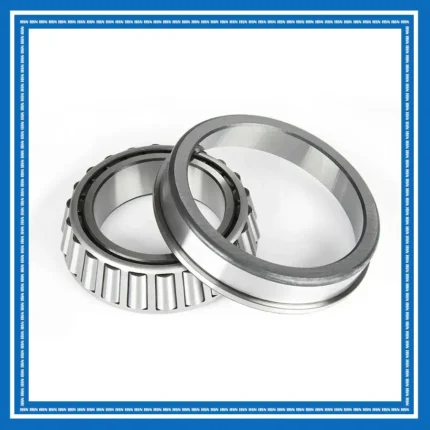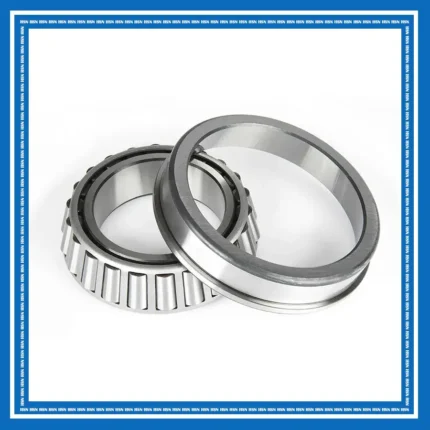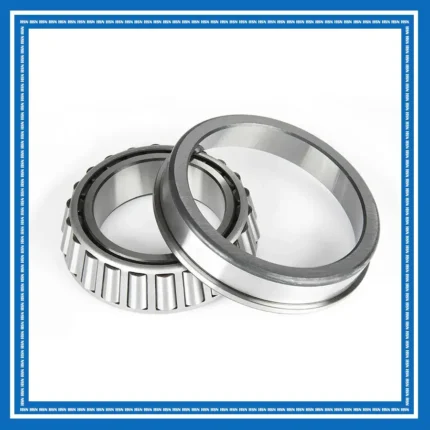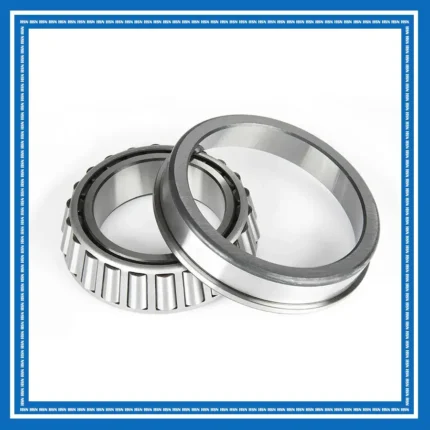

Roller Bearings
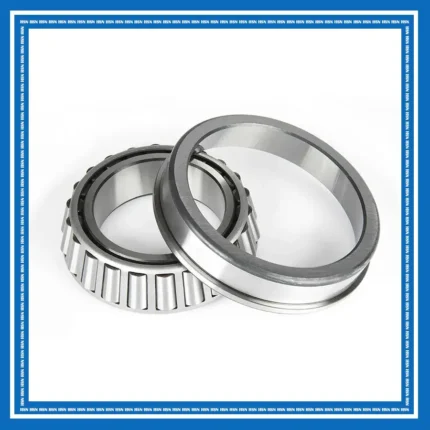
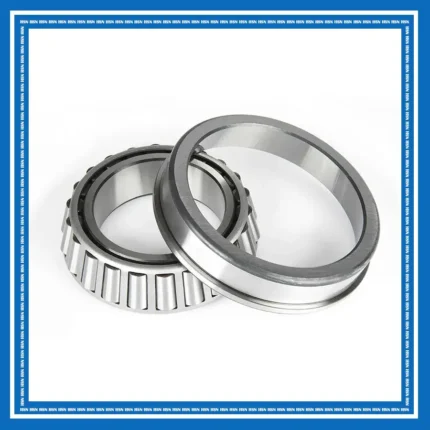
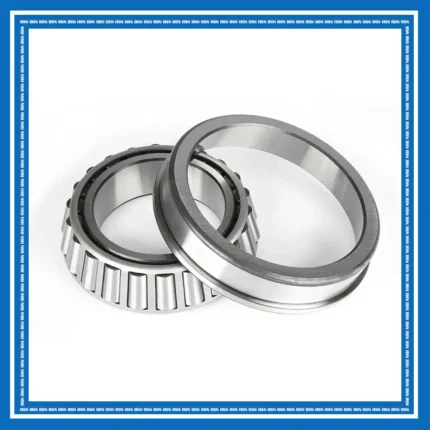
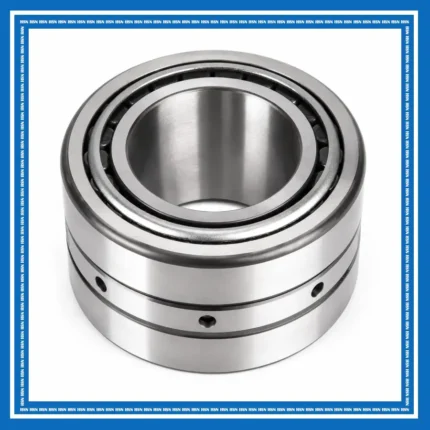
Read moreRoller Bearings are essential components in mechanical transmission systems. By replacing sliding contact with rolling contact, they enable low-friction motion between the shaft and its supporting structure. As a result, the roller bearing significantly reduces energy loss while improving transmission efficiency and overall system reliability.
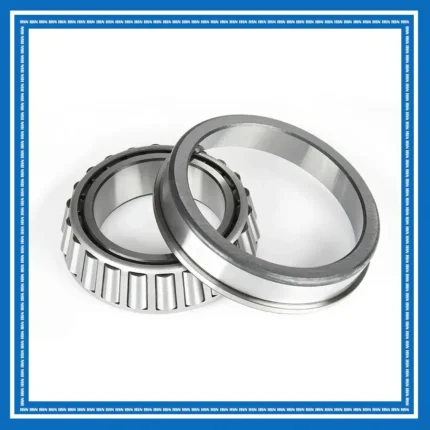
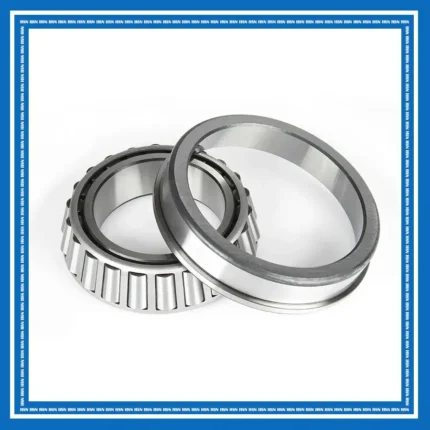
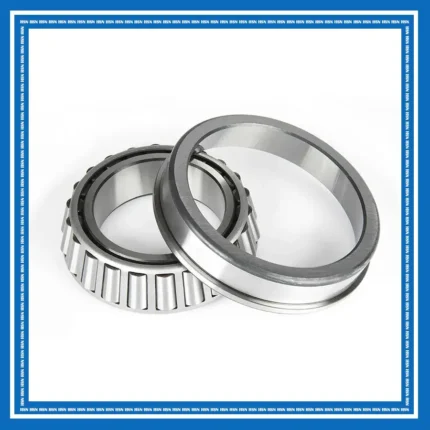
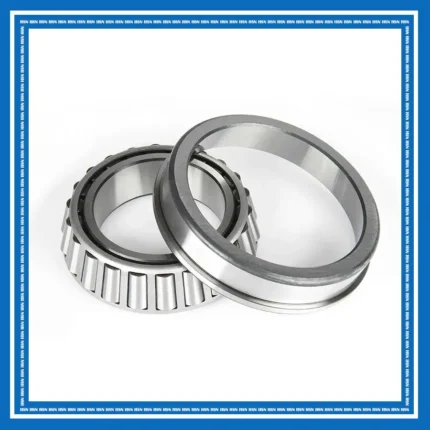
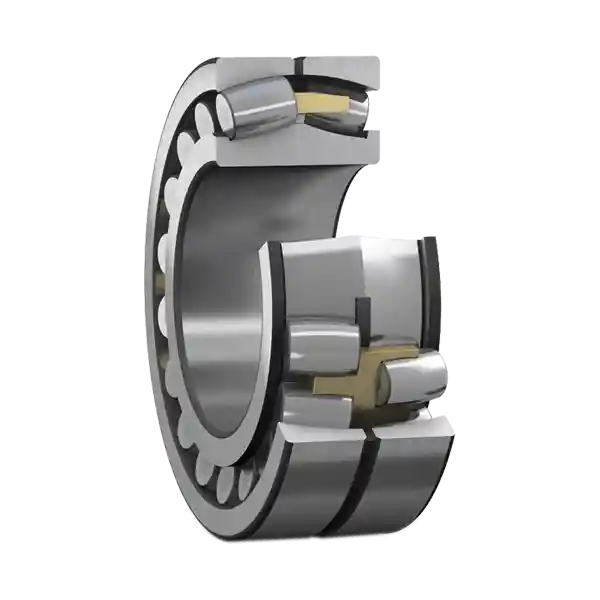
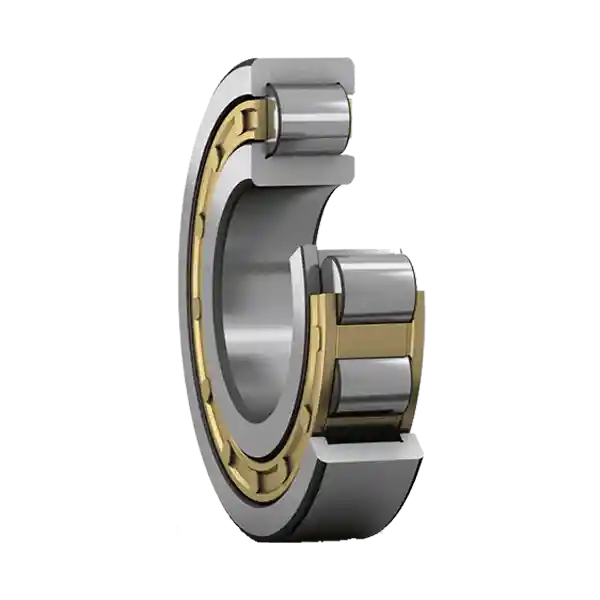
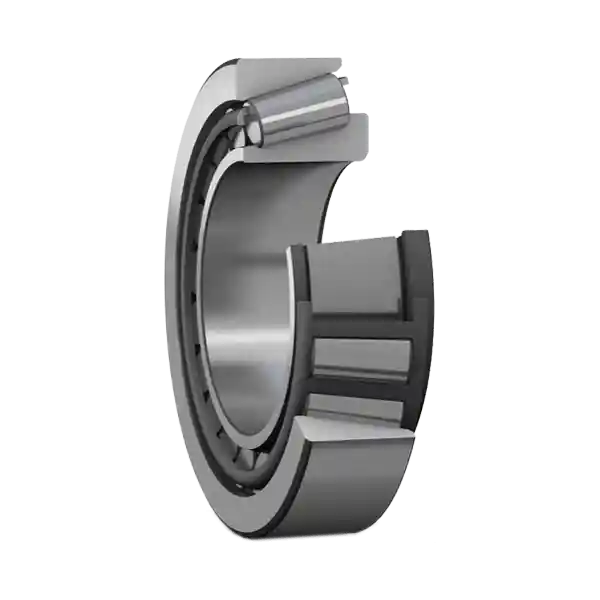
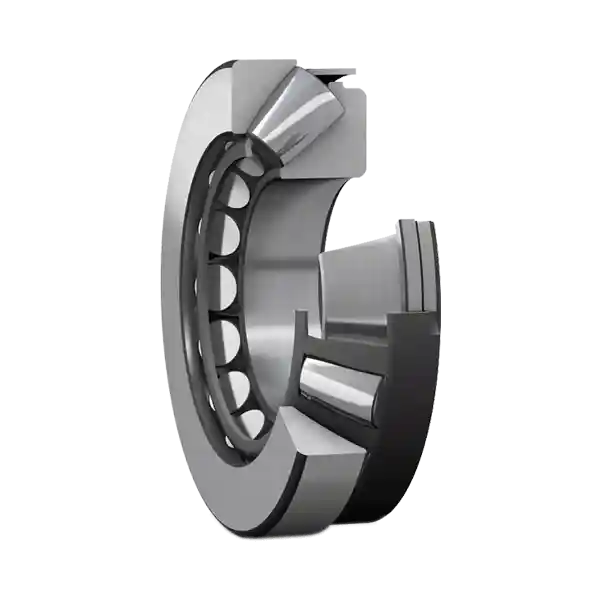
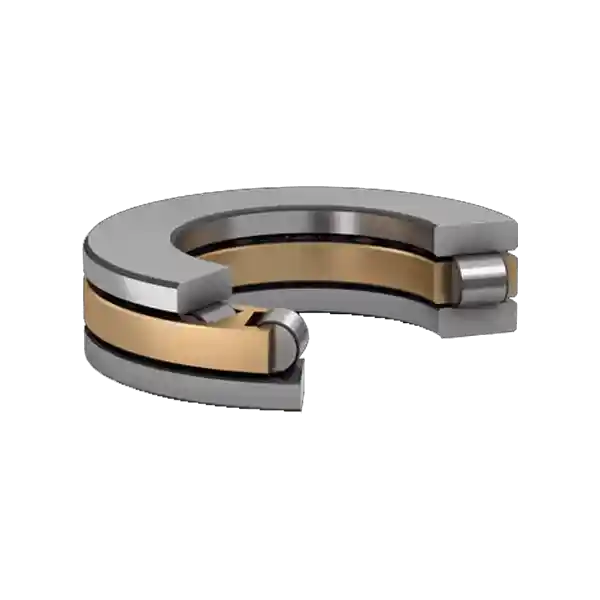
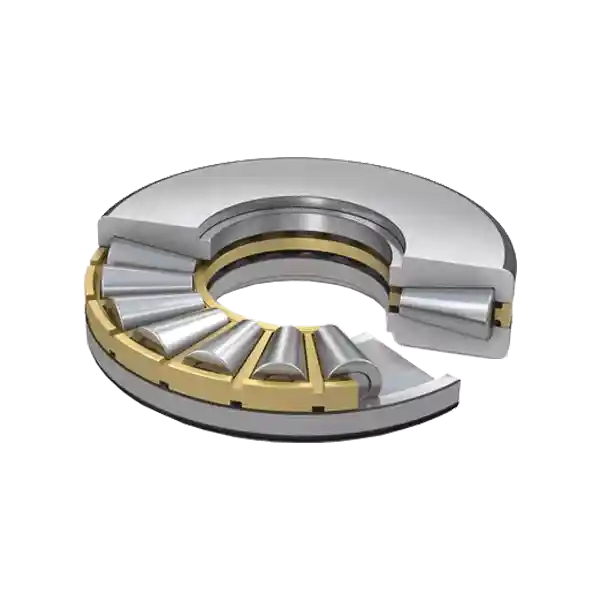
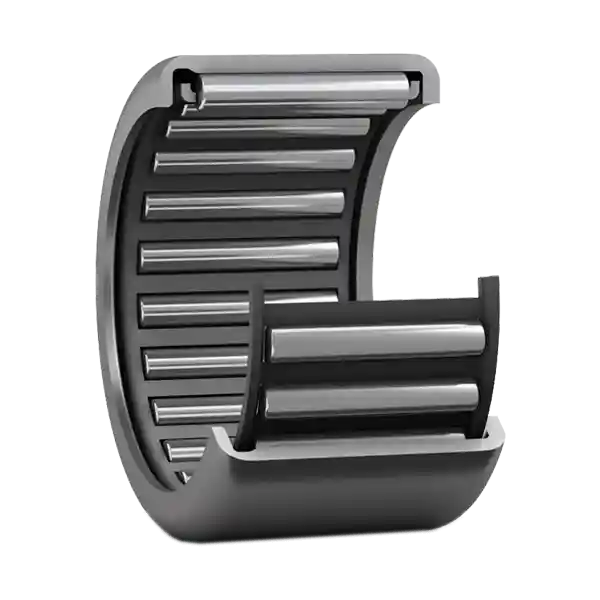
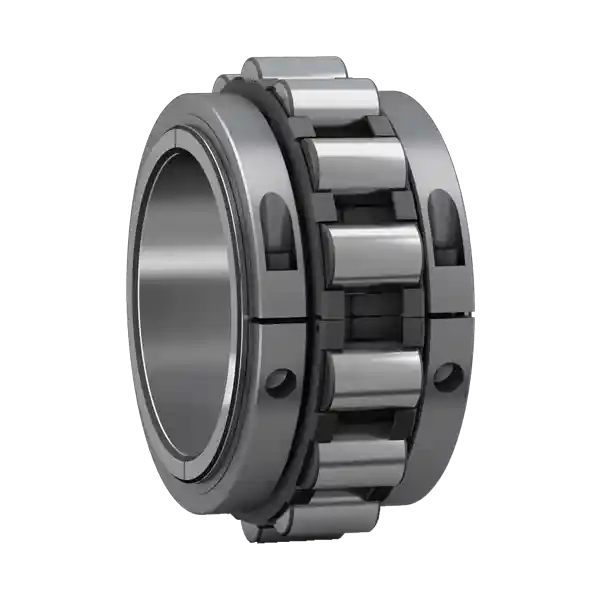
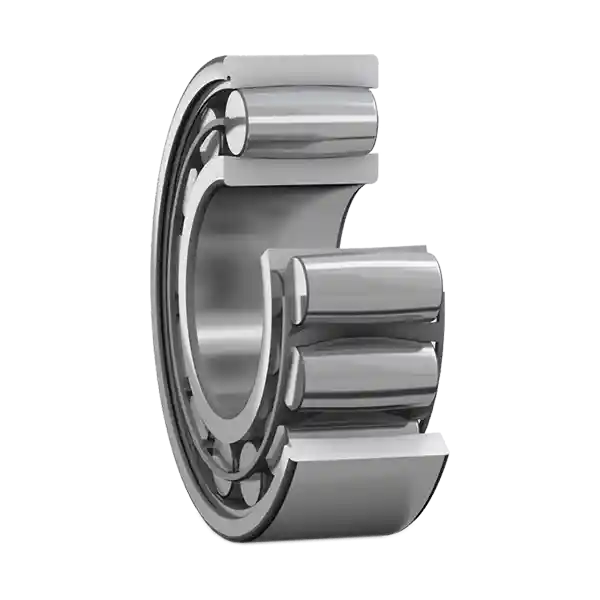
Structurally, a roller bearing consists of four core elements. First, the inner ring fits tightly onto the shaft and rotates synchronously with it, while the outer ring is mounted within the housing to provide stable support. Meanwhile, the rolling elements—such as cylindrical, tapered, or spherical rollers—are arranged between the raceways to transmit loads efficiently and minimize friction. In addition, a cage is used to maintain even spacing between the rolling elements, preventing mutual contact and ensuring smooth, stable operation. For demanding environments, seals or advanced lubrication systems can also be integrated, thereby enhancing protection and extending service life.
Why Choose HSN Roller Bearings
HSN supplies a comprehensive range of Roller Bearings, including cylindrical, tapered, and spherical types, with inner diameters ranging from 10 mm to over 1000 mm. As a result, HSN effectively supports both general-purpose applications and demanding heavy-duty industrial requirements. To ensure fast delivery, HSN maintains ample stock of standard bearings, enabling immediate shipment. At the same time, HSN offers strong customization capabilities and provides tailored solutions based on customer drawings or samples. Throughout the production process, all bearings undergo rigorous quality inspection, ensuring consistent performance and long-term reliability.
In terms of compatibility, HSN designs and manufactures roller bearings to match the specifications of major domestic brands such as ZWZ and LYC, as well as international brands including SKF, FAG, Timken, and NTN. As a result, customers achieve equivalent precision grades and seamless installation compatibility. Furthermore, shorter lead times and competitive pricing significantly improve overall cost performance, making HSN a reliable and efficient alternative supplier for global markets.
request a QUOTETypes of Industrial Roller Bearings
Industrial Applications
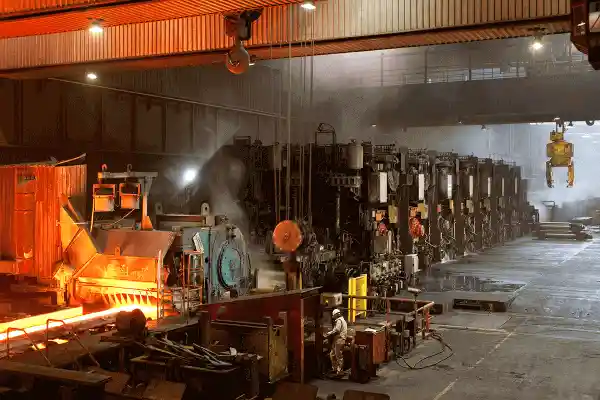
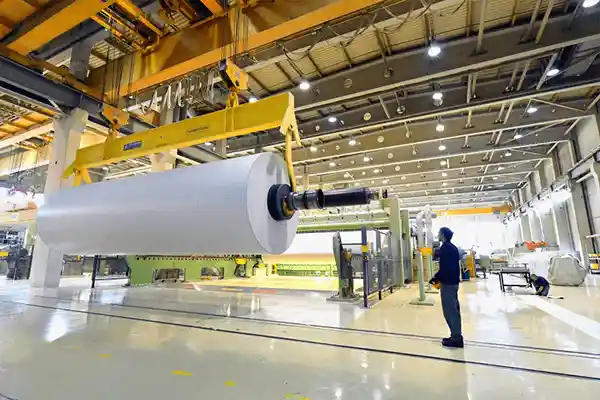
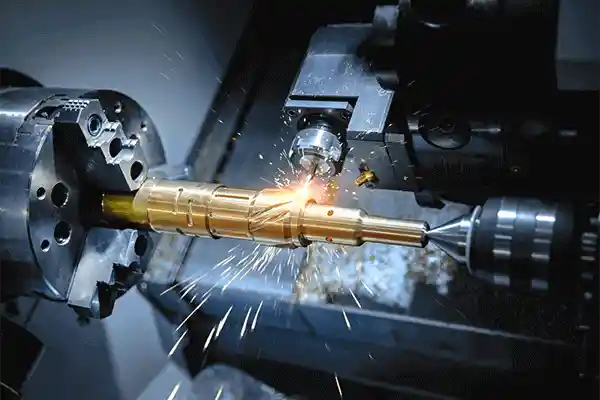
Roller bearings are key components in mechanical systems. By using rolling contact to reduce friction, they enable efficient and smooth operation. Their excellent load capacity, high precision, and long service life provide solid support for equipment reliability and performance improvement. They are widely used in the following fields and industries:








Showing 1–12 of 11974 results