

Why High Temperature Linear Bearings Need Material Checks?

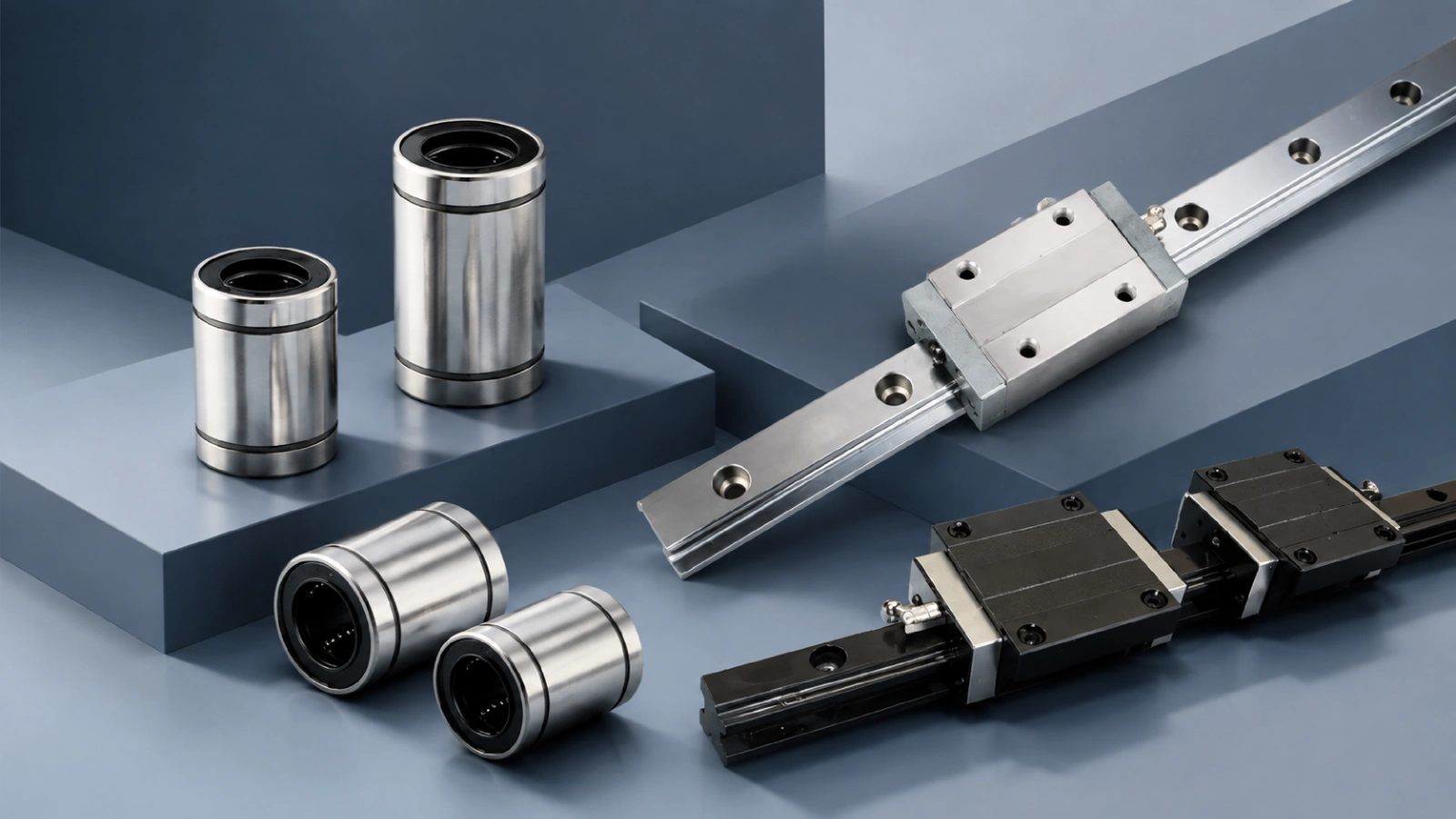
High temperature linear bearings guide a carriage or housing along a shaft where heat can damage standard cages, seals, lubricants, or polymer components. A suitable design must keep its dimensions, sliding behavior, and load capacity within the actual temperature range. Therefore, buyers should not select a bearing from bore size alone.
The complete system matters. The liner, adapter, housing, shaft material, surface finish, load, speed, and duty cycle all affect performance. In addition, a dry-running linear plain bearing behaves differently from a recirculating ball bushing. The motion principle must match the machine before a model is confirmed.
Table of contents
- What Defines a High Temperature Linear Bearing?
- Which Igus High-Temperature Designs and Models Are Available?
- How Do Buyers Read an igus TUM Code?
- Where Are Heat-Resistant Linear Bearings Used?
- What Operating Data Must Buyers Confirm?
- What Should Buyers Check During Installation?
- How Can HSN Review a High-Temperature Linear Bearing Inquiry?
- FAQ
What Defines a High Temperature Linear Bearing?
A high-temperature design uses materials that remain functional above the limit of a standard linear bearing. In a dry-running plain bearing, the shaft slides against a polymer liner containing solid lubricants. This removes the need for grease at the contact surface and avoids lubricant failure inside the bearing.
However, temperature resistance is not a single product label. The liner may withstand more heat than the adapter, seals, or nearby structure. Buyers must confirm the continuous temperature, short peak, and load at the bearing position.
Which Igus High-Temperature Designs and Models Are Available?
Igus Drylin R products use sliding liners rather than recirculating balls. The T500 material is used for high-temperature and chemical-resistant versions. The available structure determines how the liner is retained, mounted, and aligned, so buyers should compare the complete model rather than the material name alone.
| Design / Model | Structural feature | Main ordering check |
|---|---|---|
| Drylin R metric T500 liner — XUM-01-12 (formerly TUM-01-12) | Replaceable metric liner for a round shaft | Shaft diameter, liner length, housing bore, and retention |
| Closed high-temperature adapter — RXUI-01-06 | Closed liner in an anodized aluminum adapter | Inch shaft size, adapter dimensions, and circlip retention |
| Self-aligning pillow block — RXUI-43-06 | Closed self-aligning housing with T500 liner | Mounting pattern, alignment range, load direction, and shaft |
| Open long high-temperature liner — XUIO-01-06 | Open long high-temperature liner/bearing | Inch shaft size, installed length, and housing support |
The igus TUM series is identified for applications above 80°C and up to 250°C, subject to the product and application limits. This figure should not be applied automatically to every housing or complete assembly. The operating load, shaft, chemical exposure, and surrounding components still require review.
How Do Buyers Read an igus TUM Code?
Model XUM-01-12 is a useful metric example. The code identifies the product family, design group, and nominal shaft size.
| Code | Code section | Meaning |
|---|---|---|
| XUM | Product family | drylin R metric liner made from high-temperature T500 material |
| 01 | Design group | Standard closed liner configuration in this series |
| 12 | Nominal size | Intended for a 12 mm shaft |
This reading applies to this igus series. Adapter and pillow-block codes use different prefixes, so the complete product page or drawing should be checked before ordering. Retain both the current code and any earlier code on the existing part, then confirm the dimensions and structure.
Where Are Heat-Resistant Linear Bearings Used?
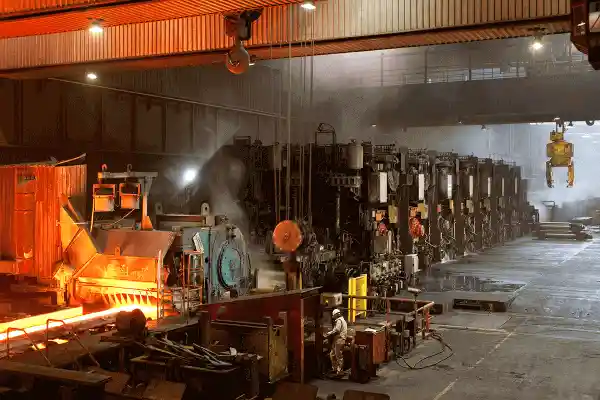
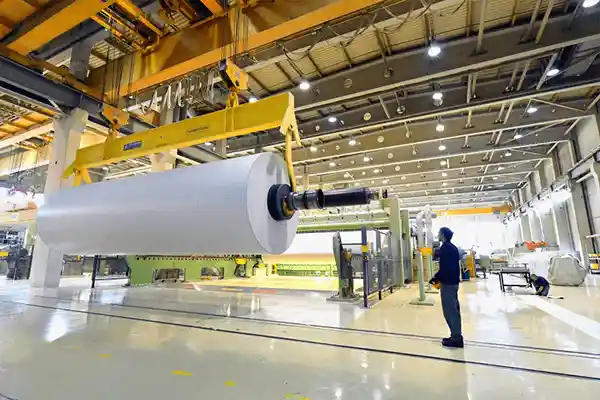
Heat-resistant linear bearings can suit adjustment, transfer, or positioning points near ovens, drying equipment, glass processing, packaging lines, laboratory equipment, and other heated machinery. They are especially relevant where grease is undesirable or cannot remain stable at the bearing contact. However, the application name alone does not define the correct bearing.
Radiant heat and heat conducted through the shaft can create different temperatures at the liner and housing. Chemicals, washdown, dust, or vacuum also need separate confirmation. Temperature resistance does not establish food-contact, cleanroom, fire-safety, or chemical approval.



What Operating Data Must Buyers Confirm?
Start with the temperature measured at the bearing position. Record the normal level, peak level, heat-up time, cooling cycle, and whether the shaft expands toward one or both ends. Then provide the motion and load information:
- Radial load, moment load, and load direction
- Travel speed, stroke, acceleration, and cycles per hour
- Continuous duty or intermittent adjustment
- Shaft diameter, material, coating, hardness, and finish
- Housing material, bore, mounting pattern, and available space
- Dust, moisture, chemicals, vacuum, and cleaning conditions
- Required running clearance and acceptable friction
Thermal expansion can change clearance or stress the surrounding structure. Long shafts may need fixed and floating supports, so room-temperature dimensions alone are not enough.
What Should Buyers Check During Installation?
Inspect the shaft for burrs, steps, sharp edges, corrosion, and coating damage. Align the bearing housing with the shaft before tightening the fasteners. For a replaceable liner, confirm that it is fully seated and retained by the correct adapter or circlips.
Do not add grease unless the selected product and application require it. External lubricant can attract abrasive particles or conflict with a dry-running liner. After mounting, move the assembly through its full stroke at low speed and check resistance at both ambient and operating temperatures.
During removal, allow the equipment to cool. Support the housing and inspect the liner for wear, heat deformation, chemical attack, or embedded debris.
How Can HSN Review a High-Temperature Linear Bearing Inquiry?
HSN Bearing Group reviews the complete model, material, dimensions, housing, shaft, and temperature range. Buyers should also provide load, speed, stroke, duty cycle, contamination, and lubrication limits. Quantity and mounting conditions further define the request. Photos, drawings, or samples can identify open, closed, short, long, or housed designs. HSN checks supply resources for the exact execution.
For old or non-standard configurations, HSN can compare geometry and working conditions. Production or replacement supply can follow technical confirmation. Before shipment, checks may cover dimensions, material, surface condition, fit, clearance, and appearance. Similar series codes do not prove interchangeability. Temperature capability, housing material, shaft compatibility, and mounting geometry may differ.
FAQ
Can standard grease solve a high-temperature problem?
Not alone. The liner, cage, seals, housing and shaft must also suit the measured temperature, load, speed and environment.
Are all T500 housings rated to the same limit?
No. Confirm the liner, adapter, housing and complete assembly limits for the actual load and temperature cycle.
Can a hot linear bearing use any shaft material?
No. Check shaft material, finish, hardness, corrosion behavior and thermal expansion against the selected liner.
What temperature information should buyers send?
Send normal and peak values, measurement location, heat-up trend, cooling cycle, ambient temperature and nearby heat sources.
Remarks
For detailed high temperature linear bearing models not listed above, please contact HSN for model confirmation and supply discussion. When checking linear bearing references, you can also send the complete model number, photos, dimensions, quantity, temperature range, and working conditions for review.
This article is based on independent analysis of publicly available technical information and industry understanding for knowledge sharing. All brand names and trademarks mentioned belong to their respective owners. HSN Bearing Group is an independent bearing supplier and technical service provider.
Tel: +86 156 6578 7336 Email: service@hsnindustrial.com Website: www.rollingparts.com www.hsnbearing.com
Need Help Finding a High Temperature Linear Bearing?
Contact HSN to confirm a hard-to-find model or discuss a solution after technical review. Send the model, drawing, temperature, load, speed, shaft details, quantity, and application.