

Why High Bearing Temperature Needs Root Cause Checks?

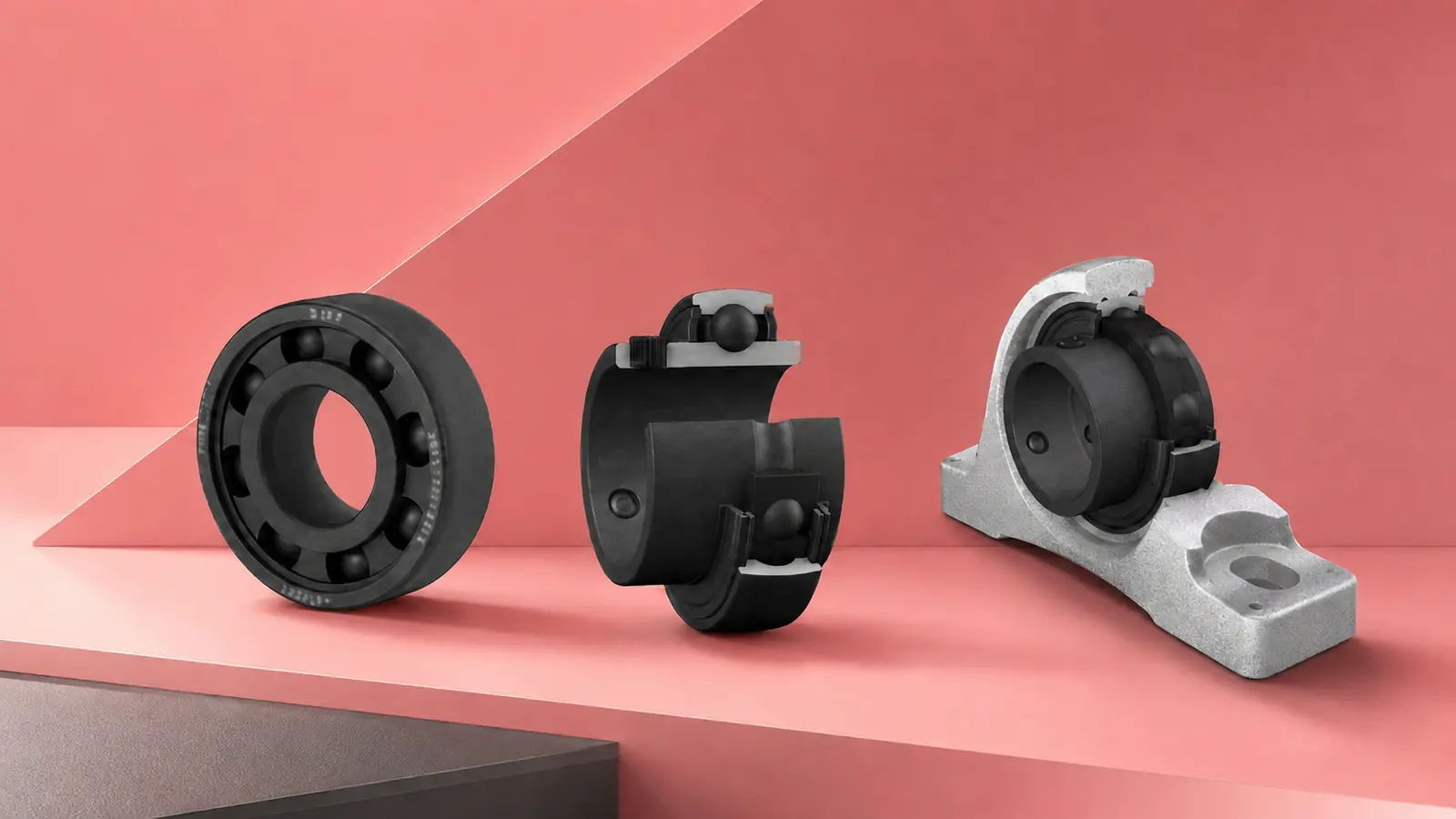
High bearing temperature is an operating condition, not a single bearing type. A bearing normally generates some heat from rolling contact, seals, lubricant, and load. The important warning is an unexplained rise above the established baseline, an unstable temperature trend, or heat accompanied by noise, vibration, leakage, smell, or discoloration.
Replacing the bearing without finding the heat source can lead to the same problem again. Maintenance teams should check lubrication, load, alignment, fit, internal clearance, seals, speed, cooling, and nearby process heat. Only after diagnosis should they decide whether the machine needs a standard replacement, a changed specification, or a high-temperature bearing.
Table of contents
- When Is Bearing Temperature Actually Too High?
- What Common Causes Create Excess Bearing Heat?
- How Should Maintenance Teams Diagnose the Cause?
- Which Equipment Needs Closer Temperature Control?
- How Do Installation and Removal Affect Temperature?
- When Should Buyers Consider High-Temperature Bearings?
- Which High-Temperature Series and Models Are Available?
- How Can HSN Support a Temperature-Related Bearing Inquiry?
- FAQ
When Is Bearing Temperature Actually Too High?
There is no universal housing-temperature limit for every machine. The acceptable level depends on the bearing type, lubricant, seals, cage, speed, load, fit, ambient temperature, and measurement location. A value measured on the housing is also different from the temperature inside the bearing.
Establish a normal trend under known load and speed. Measure at the same point with the same method, and record ambient and process conditions. During start-up, temperature may rise before reaching a stable level. A continuing rise, a sudden step change, or a new difference between comparable bearing positions requires investigation.
Before stopping equipment, follow the site’s safety and operating procedures. Rapid temperature growth, smoke, lubricant leakage, abnormal noise, or strong vibration calls for an immediate controlled response.
What Common Causes Create Excess Bearing Heat?
High bearing temperature often results from one or more interacting causes:
| Cause group | Typical mechanism | Practical check |
|---|---|---|
| Too much lubricant | Churning raises friction and temperature | Grease quantity, oil level and return paths |
| Too little or unsuitable lubricant | Film becomes too thin or lubricant degrades | Viscosity, condition, supply and relubrication interval |
| Excess load or speed | Contact stress and friction rise | Actual duty against the design condition |
| Misalignment | Load concentrates on part of the raceway | Shaft, housing, coupling and support alignment |
| Tight fit or low clearance | Thermal growth removes operating clearance | Shaft fit, housing fit and internal-clearance class |
| Seal friction or contamination | Stainless rings and balls, depending on Drag, wear and abrasive contact increase | Seal condition, contact, leakage and cleanliness |
| Cooling or oil-flow problem | Heat cannot leave the bearing position | Fans, coolers, filters, vents and oil circulation |
| Nearby process heat | External heat raises bearing and lubricant temperature | Ambient and process-temperature mapping |
A recently relubricated bearing can run hot because of overfilling. Conversely, a starved high-speed bearing may also overheat. The same symptom can therefore require opposite corrective actions.
How Should Maintenance Teams Diagnose the Cause?
Start with the operating history. Record when the temperature changed and whether the change followed relubrication, maintenance, a production-rate increase, a seal replacement, a coupling adjustment, or a process-temperature change.
Then use a controlled sequence:
- Verify the sensor, measurement point, and temperature trend.
- Compare load, speed, ambient temperature, and process conditions with the normal baseline.
- Check lubricant quantity, condition, delivery, return flow, viscosity, and compatibility.
- Inspect seals, vents, coolers, fans, filters, oil passages, and leakage.
- Compare vibration, noise, and temperature on related bearing positions.
- Check alignment, shaft and housing fits, internal clearance, and axial location.
- Inspect the removed bearing and surrounding parts before cleaning away useful evidence.
Do not correct several variables at once unless safety requires it. A staged approach makes the actual cause easier to identify and helps prevent repeat failures.
Which Equipment Needs Closer Temperature Control?
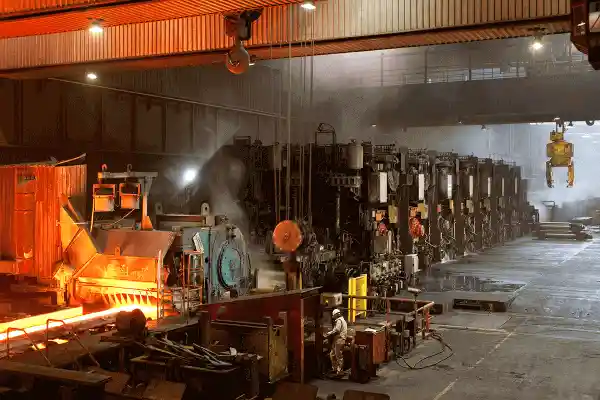
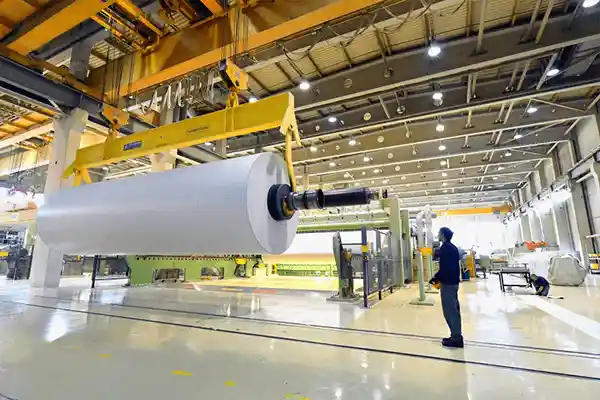
Electric motors, fans, pumps, gearboxes, conveyors, dryers, kilns, furnaces, steel cooling beds, ovens, and process rollers can all experience elevated bearing temperatures. These machines operate under different combinations of load, speed, lubrication, airflow, and external heat. As a result, the same measured temperature may have different causes and different acceptable limits depending on the bearing position and operating conditions.
In motors, common causes include excessive belt tension, incorrect grease quantity, restricted cooling airflow, or stray electrical current. Pumps may run hot because of coupling misalignment, thrust load, oil level, or transferred process heat. Bearings near kilns, furnaces, dryers, and cooling beds may also absorb radiant or process heat. Diagnosis should therefore consider machine position, operating speed, ambient conditions, and the heat-transfer path before treating the bearing itself as the main source.


How Do Installation and Removal Affect Temperature?
Incorrect mounting can create a tight fit, reduce internal clearance, damage raceways, distort rings, or misalign the shaft. Apply mounting force only to the ring being fitted. Use controlled heating where required and stay within the permitted limit for the bearing, seal, cage, and lubricant.
After installation, confirm shaft rotation, axial location, seal contact, lubricant supply, and the start-up temperature trend. If the temperature does not stabilize as expected, stop and inspect the installation before sustained operation causes damage.
During removal, mark component positions and preserve evidence. Uneven contact patterns, discoloration, burnt lubricant, cage damage, fretting, seal wear, and abnormal raceway marks can help separate lubrication, load, fit, and alignment problems.
When Should Buyers Consider High-Temperature Bearings?
Special high-temperature bearings suit applications where the external environment remains hot after lubrication, load, fit, and cooling issues have been addressed. They can use increased internal clearance, heat-stabilized materials, special seals, high-temperature grease, solid lubricant, graphite cages, shields, or surface treatments.
These features involve trade-offs. A graphite-lubricated bearing intended for hot, dry, slow operation is not a general solution for high-speed machinery. Likewise, a bearing rated for elevated temperature still needs suitable load, speed, fit, contamination protection, and surrounding components.
Which High-Temperature Series and Models Are Available?
The following examples show different temperature strategies. Their limits and operating conditions are not interchangeable.
| Brand | Series or technical approach | Complete model example |
|---|---|---|
| SKF | VA201, VA208 and VA228 high-temperature deep groove ball bearings | 6205-2Z/VA228 |
| NTN-SNR | TOPLINE FT150 and HT200 elevated-temperature ranges | 6205.HT200ZZ |
| NSK | High-temperature sealed deep groove ball bearings with heat treatment | 6205 DDU7 C3 E X26 |
In the SKF example, 6205 is the base bearing, 2Z identifies shields on both sides, and VA228 identifies the high-temperature design with graphite-based lubrication features. The NTN-SNR and NSK references use different suffix logic. Buyers must compare the actual temperature, speed, load, lubrication, seal, clearance, and environmental requirements before discussing an alternative.
How Can HSN Support a Temperature-Related Bearing Inquiry?
HSN Bearing Group reviews the complete model, equipment position, and measured temperature trend. Buyers should also provide the load, speed, fit, clearance, lubricant, seals, and cooling method. Vibration, recent maintenance, quantity, measurement point, and working conditions offer further context. This review helps separate bearing selection from lubrication, alignment, contamination, overload, or machine cooling problems.
After identifying the likely cause, HSN can discuss sourcing or a technically confirmed replacement. A high-temperature design may also be considered when the environment requires it. Before shipment, checks may cover dimensions, hardness, clearance, appearance, and packaging. Material, accuracy, vibration, noise, or other inspections can also be discussed. Replacing the bearing alone may not prevent repeated overheating.
FAQ
Is one temperature limit valid for every bearing?
No. The acceptable level depends on design, lubricant, seals, speed, load, fit, ambient heat and measurement point.
Can too much grease cause overheating?
Yes. Excess grease can churn and raise friction. Check fill quantity, relubrication timing and lubricant escape paths.
Should a hot bearing be replaced immediately?
Follow site safety procedures first. Then verify the trend and cause; replacement alone may not prevent a repeat.
When is a high-temperature bearing appropriate?
Consider one after lubrication, load, fit and cooling issues are addressed and the environment remains consistently hot.
Remarks
If a bearing is operating at an unusually high temperature, please contact HSN for preliminary condition review and bearing selection discussion. You can send the complete bearing model, bearing position, measured temperature and trend, speed, load, fit, lubricant type and quantity, operating environment, photos, and recent maintenance information for review.
This article is based on independent analysis of publicly available technical information and industry understanding for knowledge sharing. All brand names and trademarks mentioned belong to their respective owners. HSN Bearing Group is an independent bearing supplier and technical service provider.
Tel: +86 156 6578 7336 Email: service@hsnindustrial.com Website: www.rollingparts.com www.hsnbearings.com
Need Help Investigating High Bearing Temperature?
Contact HSN with the model, temperature trend, load, speed, lubricant, fits, quantity and working conditions for technical review.