

How Did Rollway’s Bearing Range and Applications Evolve?

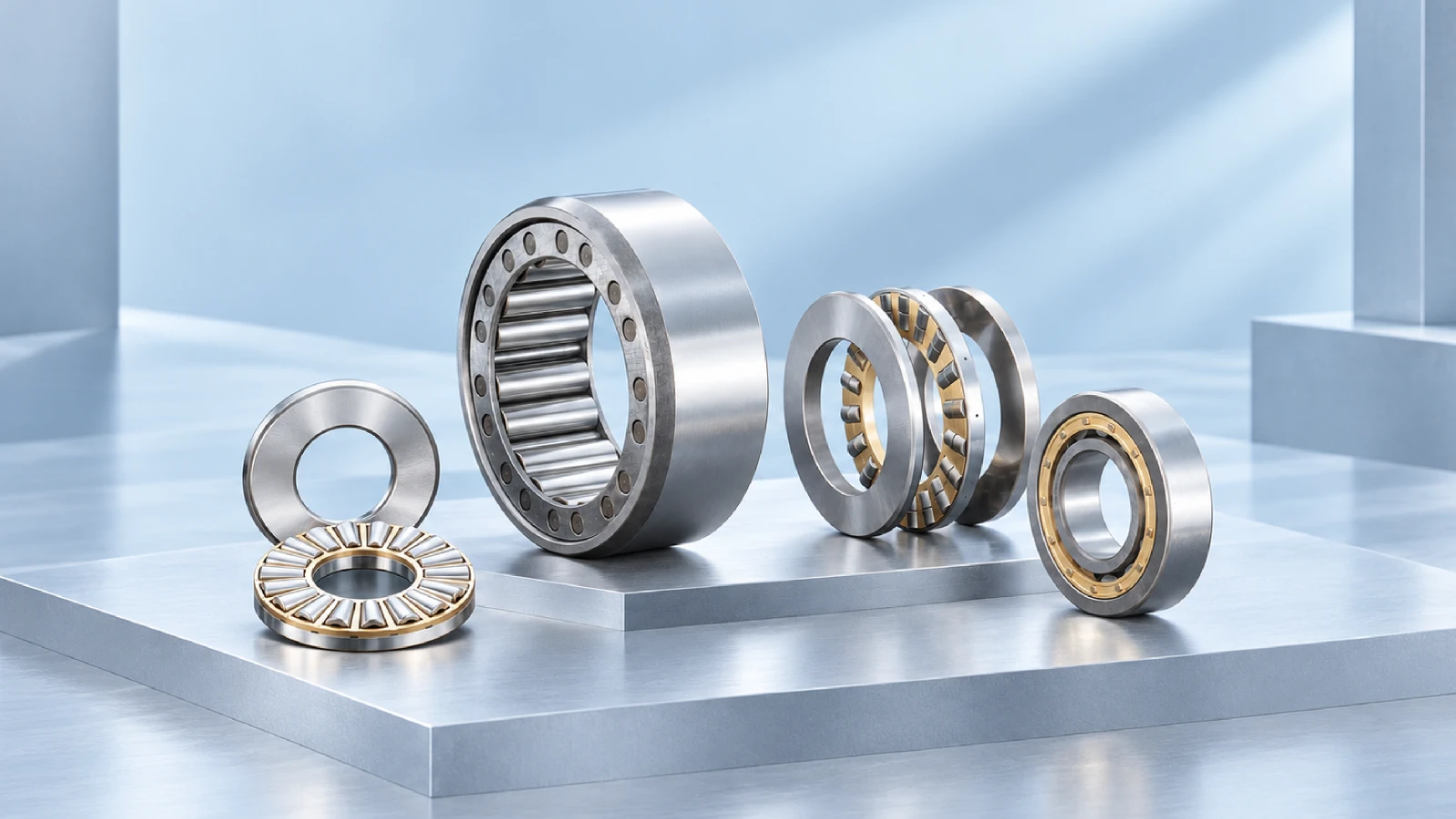
A Rollway name on an old bearing or spare-parts list may lead a buyer to several generations of records. The brand began in American transport service and now appears in Regal Rexnord’s industrial bearing range. This history explains where to look for documentation; it does not determine whether a current product fits an older machine. The physical marking, internal design, and equipment drawing still drive a replacement inquiry.
How Did Rollway Develop as an American Bearing Brand?
Rollway traces its bearing business to 1908. The brand’s published history points to trolley cars in the 1910s and later industrial uses. These examples show a long record of supporting rotating machinery under demanding service, but they do not establish a design specification for a bearing in a modern gearbox or conveyor.
The distinction matters when a plant has kept a machine longer than its original parts manual. A Rollway designation in a historical drawing may identify what the equipment builder intended at the time. It cannot prove what was installed after years of repairs. Begin with the removed bearing, then use the dated drawing to understand the assembly’s original duty. If the records disagree, document both rather than silently replacing one with the other.
Rollway’s name also appears on more than one bearing construction. The brand’s current listings cover radial cylindrical and spherical roller products as well as thrust arrangements. Consequently, an old brand label is a useful search clue, while the bearing’s section and complete marking tell the buyer which technical document to open.
How Did the Rollway Name and Ownership Change Over Time?
Regal Beloit announced an agreement in 2014 to acquire Emerson’s Power Transmission Solutions business, which included Rollway. The transaction closed in January 2015; Rollway now appears under the Regal Rexnord brand portfolio. A buyer may therefore encounter Rollway in an older machine book, a previous owner’s literature, and a current Regal Rexnord listing. The corporate timeline explains the different publication names, not a change to every stamped bearing number.
When searching old files, note the document date and product family before transferring a number to a modern inquiry. A former distributor’s invoice may identify what was purchased, but it may omit cage, clearance, or other features. Likewise, a product page may show today’s dimensions without documenting an earlier variant. Keep both records and compare them with the removed component.
Where Are Rollway Bearings Used in Industry?
Rollway bearings are used in industrial machinery where rotating shafts, gears, and other components require radial, axial, or combined-load support. Typical sourcing inquiries may involve gearbox shafts, conveyors and process equipment, vibrating screens, or positions that carry a defined axial thrust load. The industry or machine name alone, however, does not identify the correct bearing. Buyers should first confirm the exact shaft position, load direction, mounting arrangement, and operating conditions.
| Machine position | Bearing duty to confirm | Information to record |
|---|---|---|
| Gearbox shaft support | Radial support, axial location, or displacement | Full code, shaft position, fits, locating role |
| Conveyor or process equipment | Load, contamination, misalignment, continuous duty | Housing, seals, lubrication, speed |
| Vibrating screen | Requirement for a vibratory-duty bearing | Full code and suffixes, housing, lubrication |
| Axial thrust position | Thrust direction and load path | Load direction, mating parts, section drawing |
The Rollway range illustrates why machine position matters. NUP 2211 EM is a radial cylindrical roller bearing whose arrangement can provide a defined axial locating function. By contrast, T-624 is a single-direction cylindrical roller thrust bearing intended for an axial load path. These products belong to different bearing categories and should not be treated as alternatives simply because both use cylindrical rollers.
Other Rollway families, including spherical roller bearings, introduce different considerations such as misalignment, clearance, lubrication, and mounting. Therefore, buyers should begin with the machine position and complete designation, then confirm whether the selected bearing structure matches the required load function and operating conditions.




How Should Buyers Verify a Legacy Rollway Marking?
Photograph all ring markings before cleaning removes useful evidence. Compare the removed part with the old equipment drawing and the current manufacturer listing. Record where the number came from: a stamped ring, a maintenance log, or a distributor invoice. Those sources answer different questions and may describe different repair dates.
Next, check the bearing section, bore, outside diameter, width, cage, and any legible suffix. A handwritten base number may omit the feature that controls axial movement or internal clearance. For example, a floating shaft position should not receive a locating ring design simply because its principal dimensions look similar. The mounting drawing must show how the shaft is located elsewhere in the machine.
Repeated repairs create another trap. The bearing removed today may differ from the original bill of materials because an earlier shop changed the arrangement. Ask the maintenance team whether the position ran satisfactorily and whether the installed part shows damage or altered faces. A worn sample can guide identification, but it should not define nominal size without comparison to the mating shaft, housing, and drawing.
If the old number does not appear in the current catalog, do not infer that it is discontinued. The available evidence may be incomplete, or the listing may have changed. A proposed modern part needs a documented comparison of function and dimensions, followed by engineering approval. Brand history alone cannot certify interchangeability.
What Should Buyers Document for a Rollway Bearing Inquiry?
Send photographs of each marking and of the bearing from both sides. State the exact machine position, bore and housing measurements, width, quantity, and the source of each dimension. Attach the old parts page and a sectional assembly drawing when available. Distinguish a measured worn component from a manufacturer’s nominal specification.
Describe radial or axial load, speed, lubrication, temperature, contamination, and vibration. A U.S. plant planning a shutdown should also provide the required date and the person authorized to review a technical difference. This helps the sourcing team assess availability while the engineer checks suitability. A short deadline should not erase an unresolved ring or clearance question.
HSN can use the complete Rollway reference to check possible stock in China or discuss a drawing-based option. Where agreed, dimensional, hardness, and clearance checks can support an inspection plan. Supply status and technical acceptance remain separate decisions, based on the proposed bearing and the customer’s machine requirements.
FAQ
Why might a Rollway drawing differ from the removed part?
Earlier repairs may have changed the assembly. Compare both records with the actual position before selecting a part.
Which number should I send for Rollway T-624?
Send the catalog form T-624 and the current part number T624, plus a photo of the original marking.
What matters in a U.S. plant’s urgent inquiry?
Provide the full marking, drawing, machine duty, quantity, required date, and approval contact.
Can HSN review an older Rollway number?
Yes. Send markings and technical records so HSN can check stock or discuss a reviewed option.
Remarks
For detailed models beyond those listed above, or for other bearing types, please contact HSN. Send the complete model, photographs, dimensions, quantity, and working conditions so the inquiry starts with the right information.
This article is based on independent analysis of publicly available technical information and industry understanding, and aims to provide knowledge sharing. All brand names and trademarks mentioned in this article belong to their respective owners. HSN Bearing Group is an independent bearing supplier and technical service provider.
Tel: +86 156 6578 7336 Email: service@hsnindustrial.com Website: www.rollingparts.com www.hsnbearing.com
Need Help Tracing a Rollway Bearing?
Contact HSN to confirm a hard-to-find model or discuss a replacement after technical review.