

Why Does Generator Bearing Failure Occur?

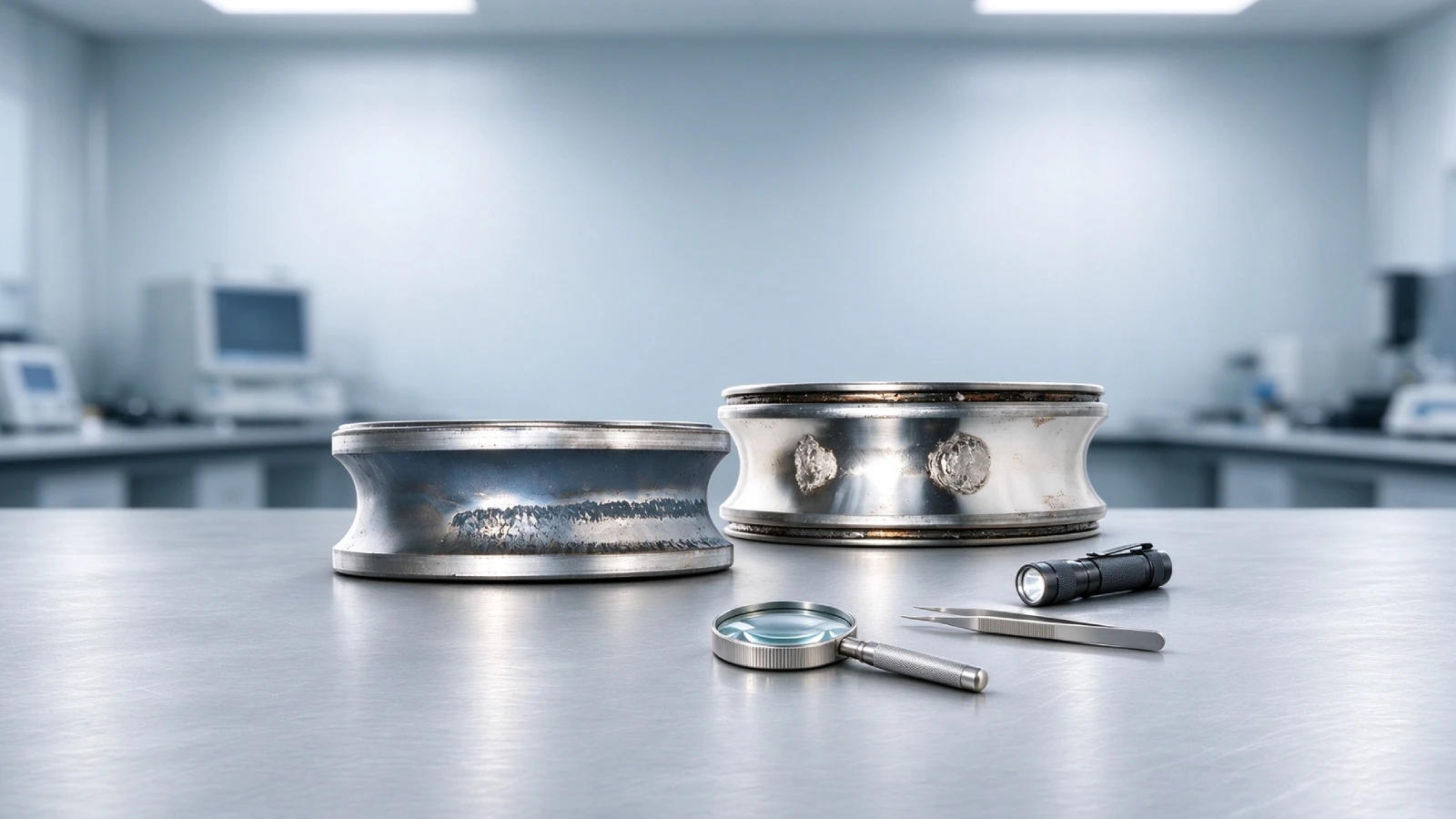
A generator bearing failure alarm should start an investigation, not a part-number guess. A power-generation machine may use rolling bearings in end shields, external pedestal bearings or sleeve-bearing assemblies. The damaged end and support design determine the repair scope. Similar vibration or heat symptoms can come from lubrication, current passage, coupling alignment, rotor imbalance or a damaged housing.
For an urgent generator bearing replacement, preserve operating records and identify the bearing before the machine is stripped. Procurement can begin a contingency search, but it should keep the exact design and acceptance criteria open until the repair engineer has reviewed the evidence.
What Mechanisms Can Damage a Generator Bearing?
Lubrication failure is one possibility. Too little grease, an unsuitable grease, blocked feed or outlet, degraded oil, and contamination can all change the contact film. Excess grease in a regreasable bearing can also increase temperature. A sealed rolling bearing and an oil-fed sleeve bearing require entirely different service responses; the installed lubrication design comes first.
Electrical current can cross a rolling bearing in some generator arrangements. Discharges through the lubricant film may leave pitting or fluting and damage grease. Yet an electrical machine is not automatically suffering current erosion. Inspect the raceway pattern, measure the relevant electrical path and review grounding or insulation with the generator specialist before specifying an insulated replacement.
When current damage is suspected, document the affected end and any shaft-grounding device or insulated housing. A change at one end may redirect current. The repair engineer should therefore evaluate the entire path before approving a coated replacement.
Mechanical causes include worn fits, housing distortion, coupling misalignment, improper internal clearance or excessive thrust. The drive and non-drive ends may have different locating duties. A replacement that restrains a designed floating end can introduce axial load as the rotor heats. Identify whether the installed support is rolling or hydrodynamic before interpreting the damage.
When Does Replacement Become the Right Scope?
An increasing bearing temperature, vibration trend or unusual sound warrants diagnosis. The maintenance team should compare readings with load, speed, cooling and recent service. A single alarm cannot establish a safe operating limit or identify which bearing failed. The responsible engineer decides whether continued operation or a controlled shutdown is appropriate.
The replacement scope depends on what inspection finds. A damaged rolling bearing may require a new seal, end-shield repair or shaft-seat correction. Sleeve-bearing damage can involve the journal, oil supply and bearing shell or pad assembly. Replacing only the visibly damaged element leaves the cause in place when a blocked oil line or loose seat is the real problem.
For a planned U.S. generator outage, distinguish a contingency search from an approved installation part. Give procurement an engineering-review date and a separate receiving date. Availability can then be checked while the failure evidence and acceptance requirements remain under review.
What Evidence Should Be Preserved at Teardown?
Record the generator maker, model, serial number, exact end and sensor location. Retain temperature and vibration histories with speed and load. Photograph the bearing designation and its orientation before removal. If a failure occurred soon after service, document lubricant type, quantity, mounting method and any alignment work.
Inspect raceways, rolling elements, cage and seals for a rolling-bearing design. Measure the shaft seat and housing bore, and collect lubricant or debris samples with location labels. For an oil-film bearing, inspect journal condition, pad or shell surfaces, oil temperature, flow and filtration. Do not treat a sleeve bearing as an interchangeable rolling-bearing cartridge.
| Finding | Possible line of inquiry | Confirmation step |
|---|---|---|
| Fluting or fine pits | Current passage | Review grounding and electrical path |
| Heat and dark grease | Lubrication or load | Check supply, quantity, fits and duty |
| Uneven contact | Alignment or support movement | Measure seats, coupling and housing |
These clues are not final diagnoses. Compare physical evidence with the machine drawing and operating record before approving a corrective design.
Which Selection and Installation Details Matter?
A like-design rolling-bearing quote needs the complete code, dimensions, internal clearance, cage, seals, grease and any insulation feature. Electrical protection may be provided by a coated ring, hybrid construction or a system measure, depending on the approved design. A supplier should not add an insulated bearing just because the word “generator” appears in the request.
For example, SKF lists 6316/C3VL0241 as an INSOCOAT bearing configuration. If the removed bearing carries this designation, include the full code in the RFQ rather than requesting only “6316.” This helps the supplier identify the documented configuration. The repair engineer must still confirm its suitability and whether the electrical protection scheme needs changes.
Check which end locates the shaft axially and which permits the intended movement. Mounting fits, retainers and end-shield geometry affect that function. The repair facility should measure and correct seats before fitting the new bearing. For a sleeve design, oil-film clearance, pad arrangement and oil delivery belong to the approved specification.
After installation, record baseline vibration and temperature under known load and speed. A satisfactory first run helps monitoring, but it does not prove that a suspected electrical or lubrication mechanism has been resolved. Document the corrective actions and continue the machine-specific follow-up.
What Should a Failure-Related RFQ Include?
Send the information needed to identify the support and review the proposed repair:
- Machine and support: Generator and driver maker, model and serial number, support type and affected end.
- Identification: Complete bearing code or assembly drawing, photographs, dimensions and quantity.
- Failure evidence and condition: Damage observations, measured seats, speed, operating temperature, lubricant system and electrical protection details.
- Repair scope and approval: Planned work scope and the engineer responsible for approving any design change.
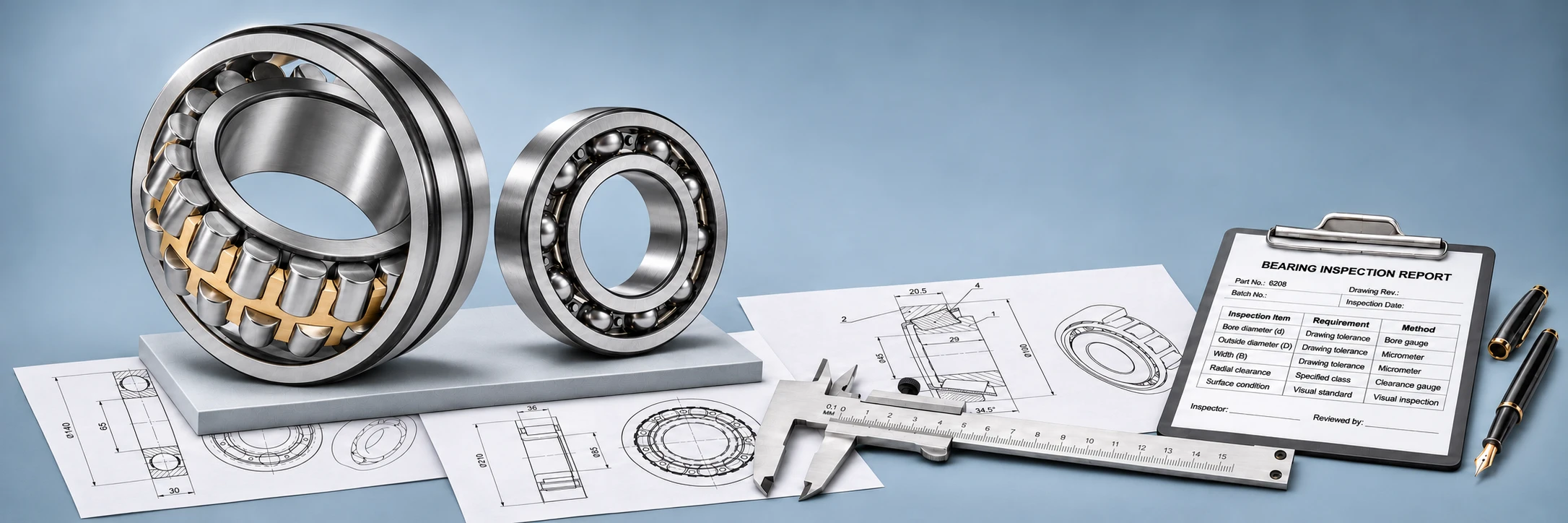
HSN can review a hard-to-find rolling bearing by code, drawing or measured sample and discuss a custom route. Agreed dimensional or material inspections can be set for an order. The generator specialist or qualified repair facility must approve the replacement, coupling alignment, lubrication and return to service. A cross-reference alone cannot settle the failure mechanism.
FAQ
Does high temperature prove bearing failure?
No. Compare load, cooling, lubrication and sensor history before assigning the cause.
Can I replace a bearing if only the suffix differs?
Check the suffix first. Send the original brand and both full codes so HSN can assess the differences against equipment duty.
What should a U.S. MRO purchase order specify?
List the approved bearing code or drawing revision, quantity, inspection requirements and delivery ZIP code on the purchase order.
Why ask HSN after generator bearing damage?
HSN can review the failure record and drawing, agree on supply checks and quote availability and lead time after review.
Remarks
For detailed generator bearing models not listed above, please contact HSN for model confirmation and supply discussion. When checking other bearing references, you can also send the complete model, photos, dimensions, quantity, application, and working conditions.
This article is based on independent analysis of publicly available technical information and industry understanding for knowledge sharing. All brand names and trademarks mentioned belong to their respective owners. HSN Bearing Group is an independent bearing supplier and technical service provider.
Tel: +86 156 6578 7336 Email: service@hsnindustrial.com Website: www.rollingparts.com www.hsnbearing.com
Need Help with Generator Bearing Failure?
Contact HSN to confirm a hard-to-find model or discuss a replacement after technical review.