

How Should Buyers Specify an Alternator Bearing?

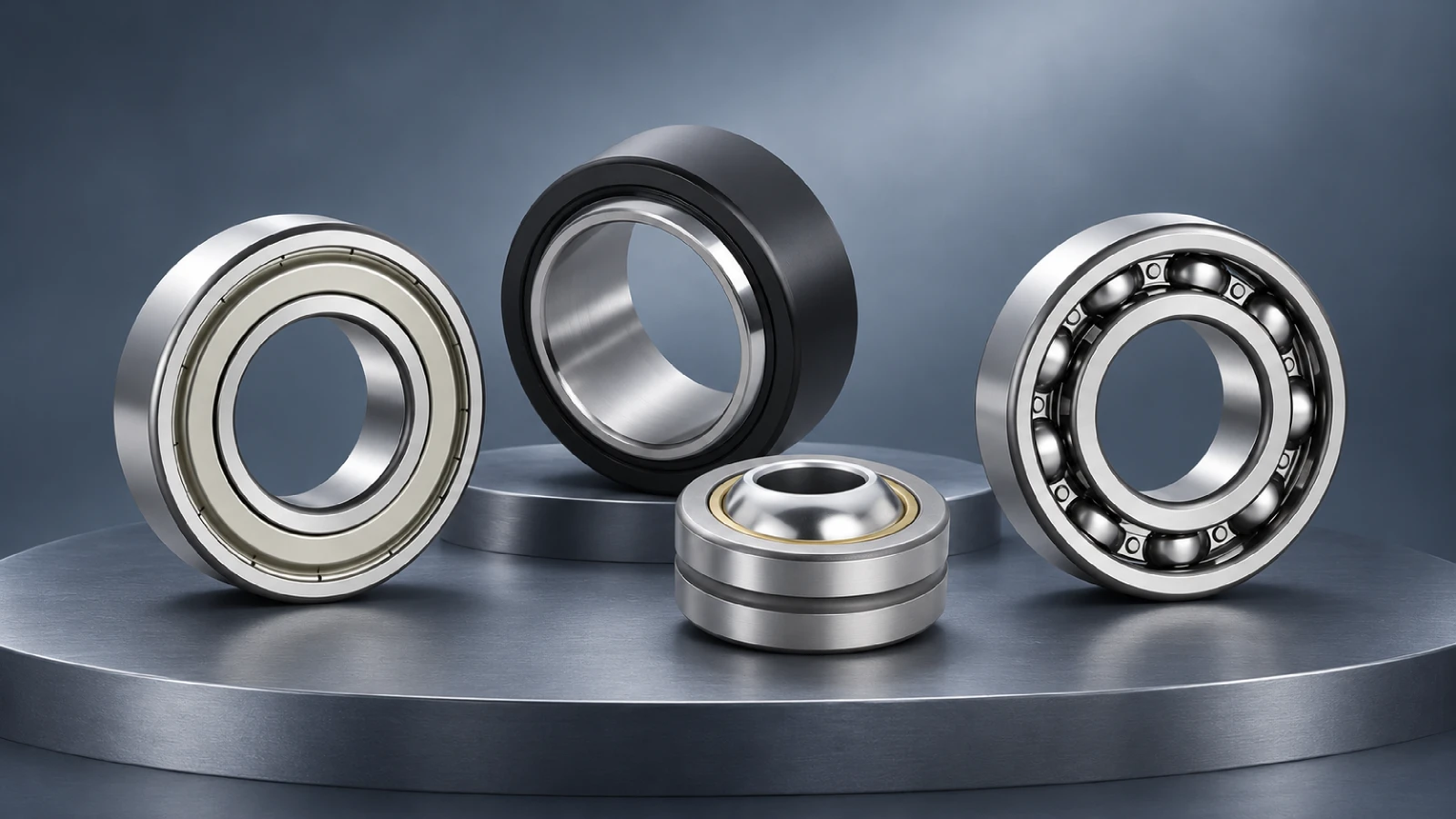
An alternator bearing supports the rotor in a power-generation machine, but the order scope depends on the alternator’s support layout. A single-bearing unit and a two-bearing unit do not have the same drive-end arrangement. Large machines may use rolling or sleeve bearings according to their design. Therefore, a buyer needs the machine nameplate, serial number and sectional drawing before selecting a replacement from a size alone.
An urgent alternator bearing replacement request should state which end is affected, what damage was found and whether the repair facility needs a loose bearing or a larger assembly. The same symptoms can arise from coupling, lubrication, mounting or electrical conditions. This guide keeps the machine and support position in view throughout the purchasing decision.
Where Does the Bearing Support the Alternator?
An alternator converts shaft power from an engine or turbine into electrical output. The rotor needs controlled radial support and axial location while maintaining the intended air gap. In many single-bearing generator-set designs, one rolling bearing sits at the non-drive end; the coupled drive end relies on the prime mover and its connection for support. Other machines have bearings at both ends. Do not assume that “drive-end bearing” exists on every model.
Some larger alternators use sleeve-bearing assemblies rather than standard rolling bearings. Their oil supply, clearance and repair scope are different. A buyer looking for a ball or roller bearing should first confirm the support type shown on the alternator drawing. A machine model may have variants or revisions with different bearing arrangements.
The position also defines adjacent parts. The non-drive end may include an end shield, retainer, preload element or grease route. A two-bearing drive end may add coupling-side fit and alignment requirements. Order these items as separate or included components according to the repair plan.
What Does Replacement Include Beyond the Bearing?
To replace an alternator bearing, the repair team must control rotor support during disassembly and reassembly. In a single-bearing machine, transport or service restraints may be needed when the coupling is disconnected. The equipment maker’s procedure determines the safe method. Procurement should learn whether the facility will reuse the end shield, seal, spacer, retaining parts or grease hardware.
For a rolling-bearing replacement, compare the complete designation, bore, outside diameter, width, internal clearance, shields or seals, cage and grease specification. Mecc Alte lists 6202-2Z C3 as the rear bearing for its small S15W-85 alternator, with 9900903025 as its separate OEM spare-part number. This is a documented machine example, not a fit recommendation for another alternator. Check the installed label, drawing and dimensions, including any build options, before ordering. Do not guess an illegible suffix.
| Machine detail | What to confirm | Effect on the order |
|---|---|---|
| Support layout | Single or two bearing, rolling or sleeve | Determines the actual bearing position |
| End assembly | End shield, retainer and seals | Defines loose part or repair-kit scope |
| Lubrication | Sealed-for-life, regreasable or oil-fed | Changes the bearing and service plan |
The distinction matters during an outage. An otherwise correct bearing delivered without the specified end shield, retainer or seal can leave the alternator unassembled. Ask the repair shop which mating parts it will replace.
How Do Speed, Heat and Current Affect Selection?
Operating speed, rotor load, air-gap stability and mounting fits govern the bearing arrangement. Temperature can change internal clearance and grease behavior. An incorrect grease quantity or blocked outlet may raise operating temperature in a regreasable design. Conversely, some bearings have a specified sealed grease fill and no routine grease inlet. Follow the installed machine’s lubrication design rather than applying a general generator-set schedule.
Electrical erosion is another possible failure mode in some electrical machines. Current that crosses rolling contacts can mark raceways and degrade lubricant. However, electrical output does not prove that a particular alternator bearing needs an insulated ring or hybrid ceramic rolling elements. Review the shaft-current path, grounding and installed insulation scheme with the alternator engineer before changing the bearing type.
Coupling alignment and housing fits deserve equal attention. A worn end-shield bore or misaligned coupling can overload a new bearing. A coating or special grease will not repair that mechanical problem. Record the shaft and housing measurements, operating conditions and any changed installation details for the technical review.
What Do Noise and Vibration Actually Show?
Noise, vibration or rising temperature warrants inspection, but none of these signals identifies a bearing fault on its own. Record the affected end, operating conditions and recent service work. Then compare the observations with the machine’s support layout before specifying parts.
If the bearing is removed, retain its full marking and photographs of the bearing and mating parts. The repair team should decide whether the order needs a loose bearing, end-shield parts or a broader assembly. For damage-pattern interpretation and root-cause review, refer to the generator bearing failure guide.
For a planned generator-set outage, the U.S. plant can give its repair shop an inspection decision date and a required receipt date. The buyer can then request the exact bearing and any end-shield parts against the approved work scope. State which dimensional, material or lubrication records the shop needs for acceptance.
What Should an Alternator Bearing RFQ Include?
Organize the RFQ by machine, position and repair scope:
- Machine and end: Alternator maker, model, serial number, nameplate photo, support layout and affected end.
- Bearing and assembly: Complete installed code, drawing, quantity and the parts the repair facility intends to replace.
- Condition and duty: Measured shaft and housing seats, speed, temperature history, lubrication method and observed symptoms.
- Special requirements and approval: Provide the original insulation or special-grease specification, if applicable, and the engineer’s acceptance criteria.
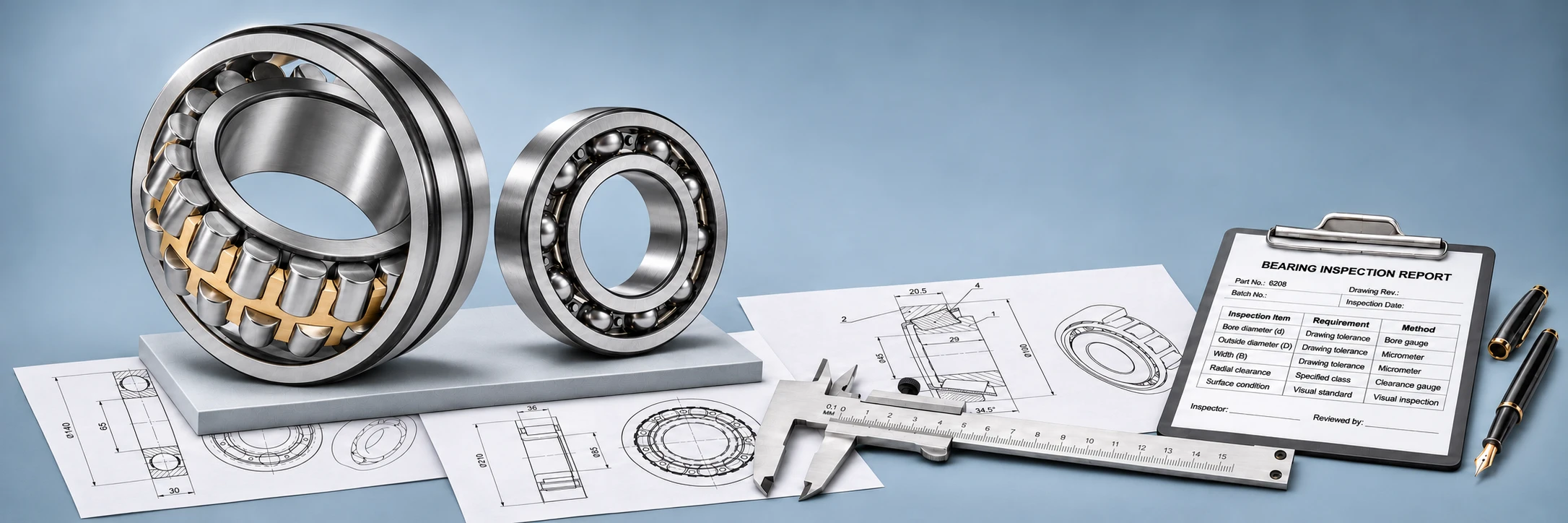
HSN can review a hard-to-find rolling bearing by code, drawing or sample, discuss a custom option, and agree on relevant dimensional or material inspections for an order. A sleeve-bearing assembly or a change to electrical protection requires the machine designer’s separate review. The repair facility must approve fits, rotor support and return to service; a dimension-only cross-reference cannot do so.
FAQ
Does every alternator have a drive-end bearing?
No. Single-bearing designs often use a non-drive-end bearing and a coupled drive-end support.
Can I use any same-size bearing for replacement?
No. Compare clearance, seals, grease, fits and any insulation requirement with the machine drawing.
Can I submit an inch-based equipment drawing?
Yes. Include units, tolerances and the drawing revision. Confirm any inch-to-metric conversion before approving production.
Can HSN reproduce the original bearing design?
HSN can review detailed drawings or same-revision production records, then build to approved drawings. Send old-part photos for review.
Remarks
For detailed alternator bearing models not listed above, please contact HSN for model confirmation and supply discussion. When checking other bearing references, you can also send the complete model, photos, dimensions, quantity, application, and working conditions.
This article is based on independent analysis of publicly available technical information and industry understanding for knowledge sharing. All brand names and trademarks mentioned belong to their respective owners. HSN Bearing Group is an independent bearing supplier and technical service provider.
Tel: +86 156 6578 7336 Email: service@hsnindustrial.com Website: www.rollingparts.com www.hsnbearing.com
Need Help with an Alternator Bearing?
Contact HSN to confirm a hard-to-find model or discuss a replacement after technical review.