

How Did Scheerer Develop Its Bearing Range for Industrial Use?

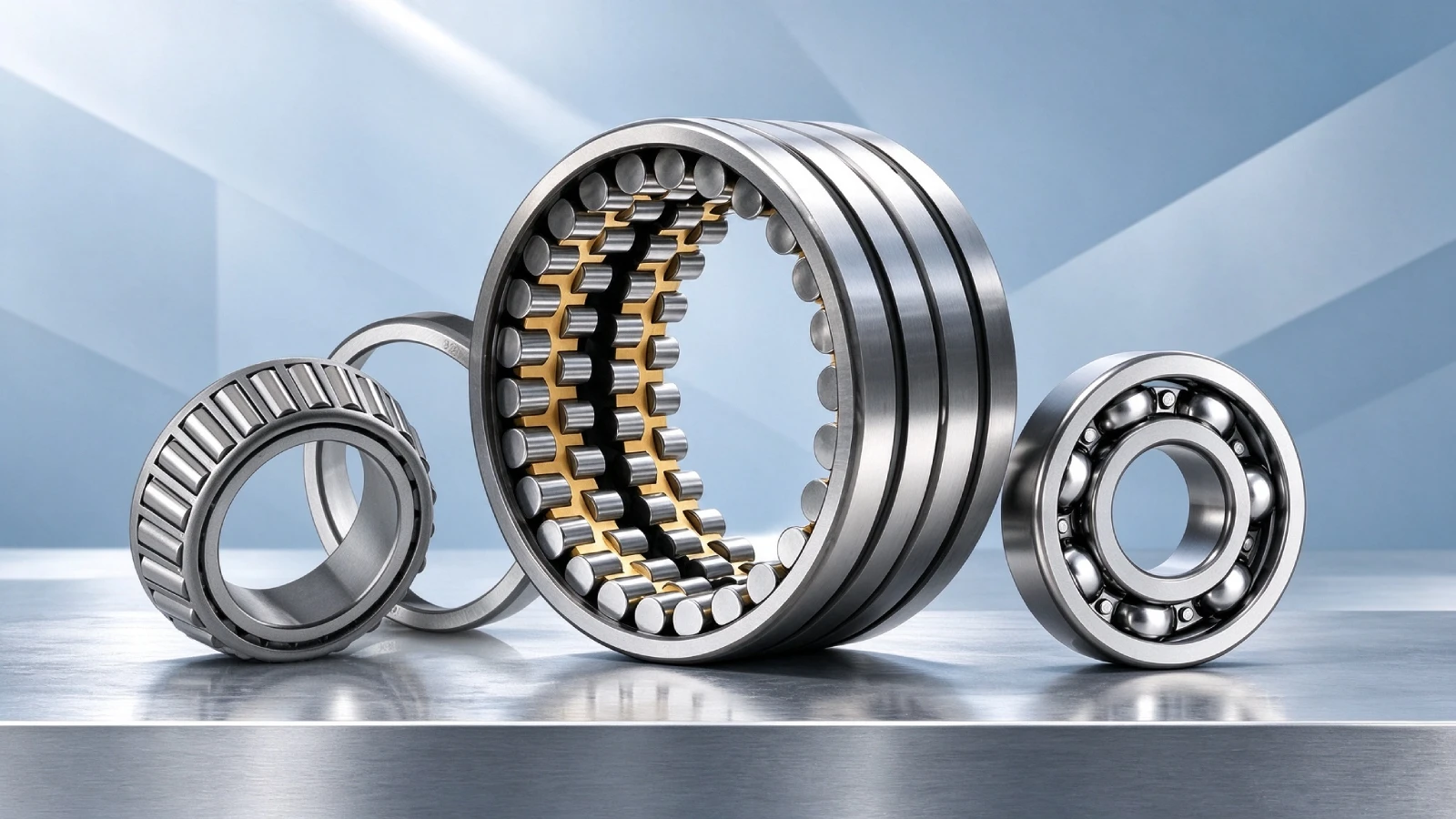
Scheerer developed its bearing business around industrial applications that require more than a limited range of standard sizes. Over time, its product offering expanded across ball and roller bearing families for mining, metals processing, paper, industrial drives, energy equipment, and other heavy-duty machinery. As a result, a Scheerer reference found on an older machine may point to a cataloged bearing, a large industrial design, or a configuration produced for a particular assembly.
For buyers, that history makes identification especially important. An old part number or ring marking is a useful starting point, but it should be checked against the installed bearing, machine position, current drawing, and repair records before a replacement is selected. When the original configuration is no longer readily available, the inquiry may move from standard stock sourcing to a drawing-based or custom review rather than a simple cross-reference.
How Did Scheerer Develop as a Bearing Manufacturer?
Scheerer Bearing Corporation was founded in Pennsylvania in 1963. Its published history traces the business to the Zubler Bearing factory, which was destroyed by fire that year. Eric Scheerer and Pedro Rymar then founded Scheerer Bearing Corporation, with Rymar directing manufacturing and Scheerer handling administration.
The company later expanded its facilities and its manufacturing capacity for large ball and roller bearings. This history helps explain why a Scheerer reference can point to a cataloged metric series, a large industrial bearing, or a design made to fit a particular assembly. The brand name alone cannot tell a buyer which of those applies.
For procurement, the practical task is to connect the historical reference to the installed machine. Preserve the old number, but compare it with the latest repair record, drawing revision, and bearing removed today. A replacement ordered solely from an old storeroom card may repeat an outdated configuration.
Where Are Scheerer Industrial Bearings Used?
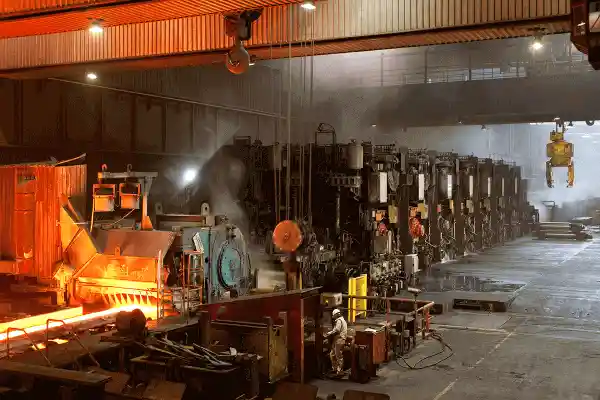
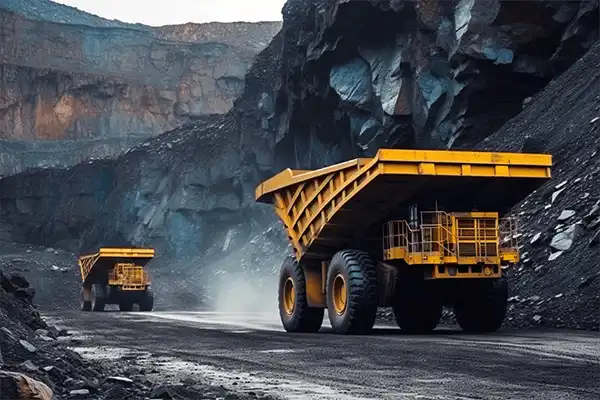
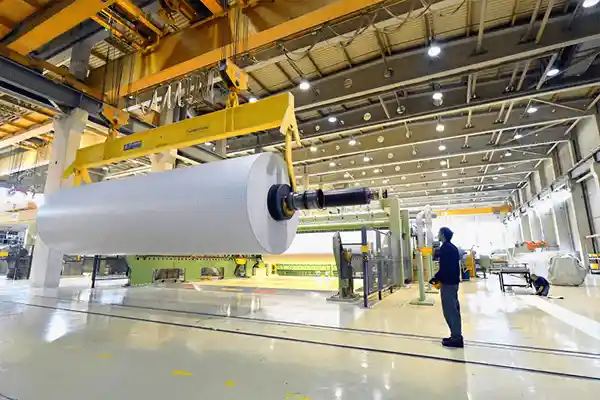
Scheerer’s published product and market information includes mining, steel and metals processing, paper production, industrial drives, and energy equipment. These are useful starting points for an inquiry, but an industry name cannot determine a bearing’s configuration.
Coal and mining machinery, for example, can put a conveyor support near contamination while a mill gearbox depends on controlled shaft location and lubrication. Both positions may use large bearings. Their sealing, mounting, and axial functions can be quite different.
In steel processing, a roll or drive position may involve heavy radial force, thermal change, and limited mounting space. A large fan or motor position puts more weight on speed, heat removal, and lubrication. Scheerer lists ball, cylindrical, spherical, tapered, thrust, and slewing bearing products across its industrial offering; the installed position determines which family to investigate.
Ask which component carries the load and how that component is supported. This moves the search from a broad market description to the actual bearing, housing, shaft, and maintenance arrangement.

How Do Standard and Custom Scheerer Bearings Differ?
A standard or cataloged Scheerer bearing starts with a published designation and documented dimensions or design features. For example, Scheerer lists 6020-M as a metric deep-groove radial ball bearing with a 100 mm bore, 150 mm outside diameter, and 24 mm width. It also lists NCF-2208-V as a 40 × 80 × 23 mm single-row full-complement cylindrical roller bearing with a semi-locating arrangement. These references give buyers a defined starting configuration, but the complete designation still needs to match the installed application.
Even with a cataloged model, the complete designation still needs to match the installed position. Locating function, fits, internal clearance, lubrication, and mounting arrangement can affect whether a bearing is suitable. This is particularly important with cylindrical roller designs, because visually similar bearings may control axial movement differently.
Custom requirements arise when the installed bearing includes features outside the normal catalog configuration. Examples may include unusual boundary dimensions, ring grooves or holes, controlled clearance, special cage materials, or interfaces with neighboring parts. In these cases, the approved drawing and revision become part of the purchase specification.
The sourcing basis therefore differs between the two cases. Cataloged bearings can be reviewed from a documented model and published configuration, while custom bearings require drawings, critical dimensions, operating requirements, and agreed inspection criteria. If an older base number carries special features, the base designation alone should not be treated as the complete purchase specification.
When Should Buyers Consider a Custom Bearing Option?
A hard-to-find bearing does not automatically require new manufacturing. First, check the complete number, including suffixes, against possible stock and compare the offered configuration with the removed part. An old inventory card can describe a previous repair rather than today’s assembly.
If the required bearing cannot be sourced in its approved configuration, review whether a drawing-based manufacturing option is feasible. A design change needs a separate technical review: identify what will change, which dimensions or functions must remain, and who can approve the result. Availability alone does not justify treating another part as equivalent.
A worn sample can help when drawings are missing. However, damage may have altered the measured bore, outside diameter, or ring faces. Compare the sample with the shaft, housing, and service records before using it to define a new part.
For a planned shutdown, establish inspection points before production or purchase. An emergency repair leaves less time to resolve conflicting evidence. HSN can review a difficult reference, sample, or drawing and discuss stock or a proposed drawing-based option, subject to technical confirmation and customer approval.
What Details Support a Scheerer Bearing Inquiry?
Send the complete marking first, including every prefix and suffix. Photographs should show both sides, the ring markings, and any unusual grooves, holes, flanges, or seals. Label a removed sample with its exact machine location.
The technical package should then cover three areas:
- Geometry: Bore, outside diameter, width, shoulders, fits, and available installation space.
- Operation: Load direction, speed, temperature, lubrication, contamination, and failure history.
- Acceptance: Quantity, required date, drawing revision, inspection points, and the person authorized to approve a changed design.
For large bearings, the surrounding assembly can matter as much as the bearing envelope. Record shaft and housing conditions, mounting method, and any evidence of fretting or misalignment. These observations can reveal an installation problem that a like-for-like purchase would not resolve.
HSN can compare the submitted information with possible stock or a proposed manufactured option. Agreed inspection can include dimensions, hardness, and clearance before shipment. The quotation should identify what has been confirmed and what still requires the customer’s engineering approval.
FAQ
Does an old Scheerer number prove a standard design?
No. Compare the installed marking and approved drawing; a familiar base number can carry special features.
What if a U.S. buyer’s sample and drawing disagree?
Send both, the drawing revision, machine position, and service records. Resolve the difference before approving an order.
When should a buyer consider drawing-based manufacturing?
After checking the complete configuration and stock, document any unavailable features and obtain technical approval.
What can HSN check before quoting a Scheerer alternative?
HSN can review markings, drawings, dimensions, and inspection needs, then identify points requiring customer approval.
Remarks
For detailed models beyond those listed above, or for other bearing types, please contact HSN. Send the complete model, photographs, dimensions, quantity, and working conditions so the inquiry starts with the right information.
This article is based on independent analysis of publicly available technical information and industry understanding, and aims to provide knowledge sharing. All brand names and trademarks mentioned in this article belong to their respective owners. HSN Bearing Group is an independent bearing supplier and technical service provider.
Tel: +86 156 6578 7336 Email: service@hsnindustrial.com Website: www.rollingparts.com www.hsnbearing.com
Need Help Tracing a Scheerer Bearing?
Contact HSN to confirm a hard-to-find model or discuss a replacement after technical review.