

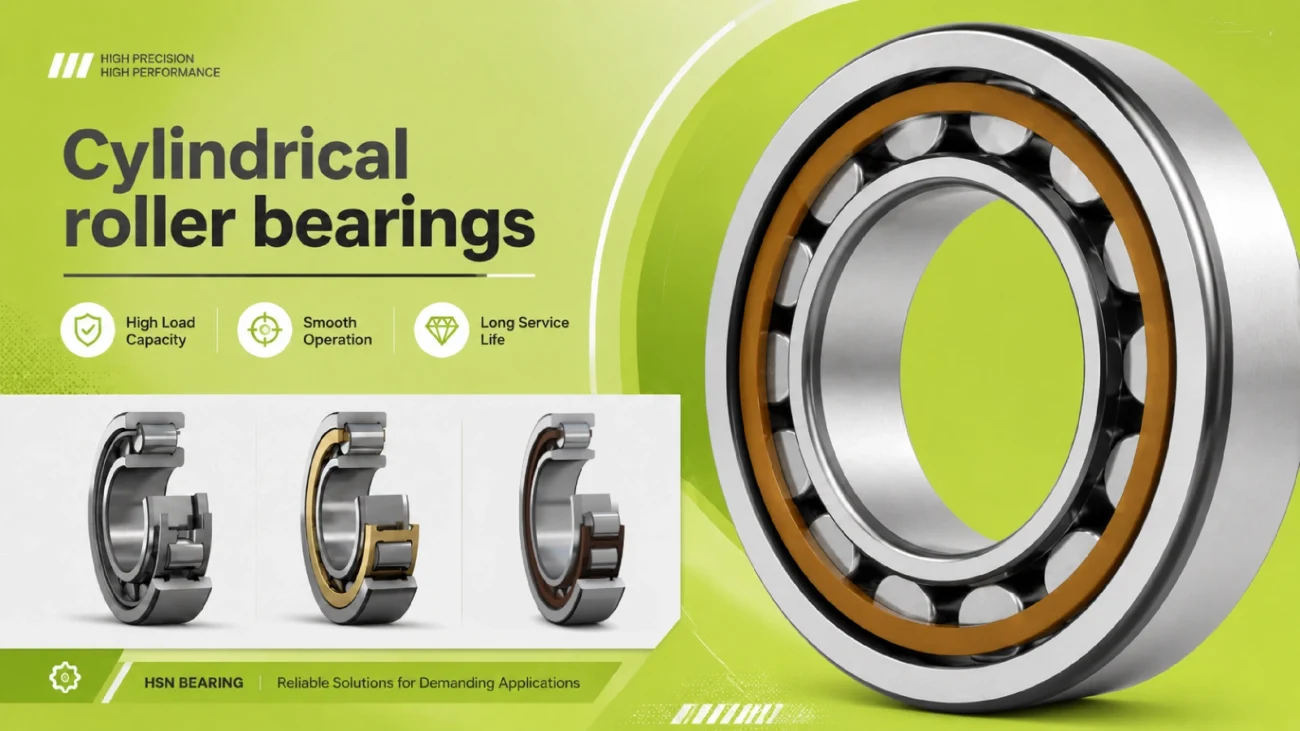
Why Cylindrical Bearing Type and Model Checks Matter for Buyers?

A cylindrical bearing uses rollers with line contact against the raceways, giving it high radial load capacity and good rigi...
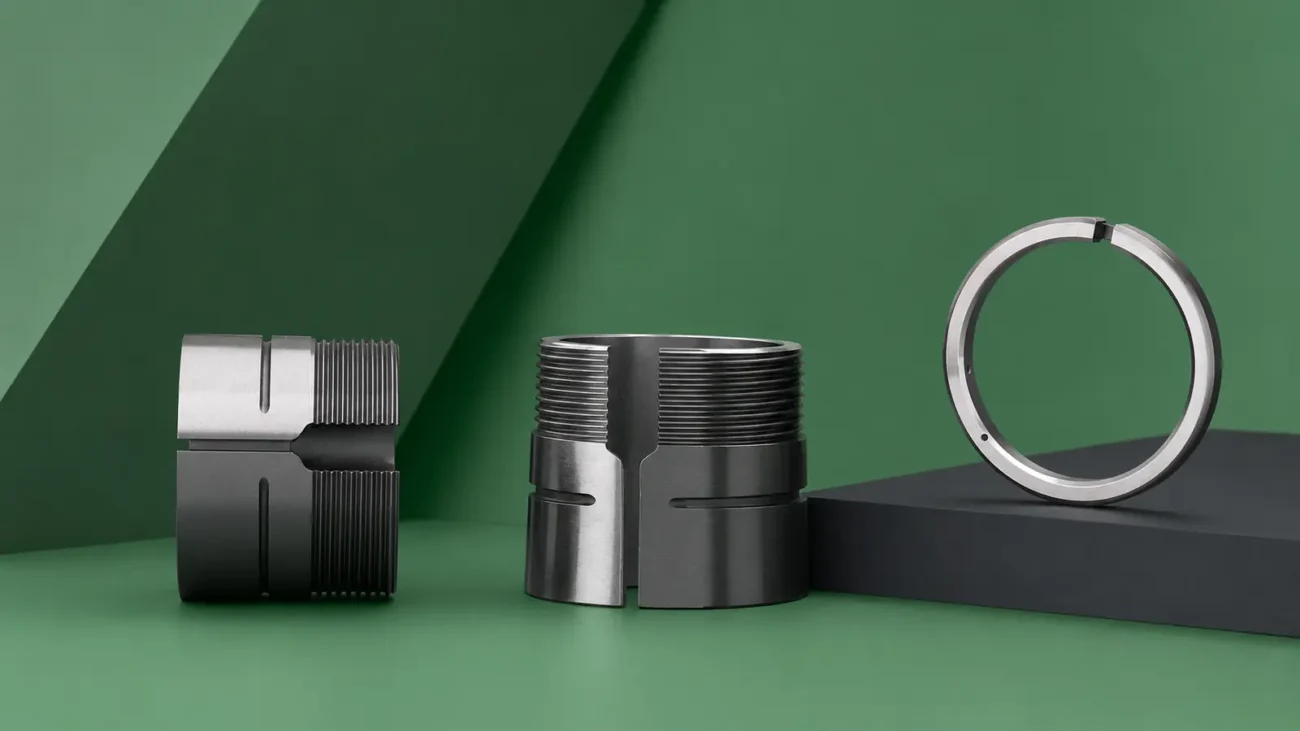
Why Bearing Adapter Sleeve Codes Matter for Mounting and Sourcing?
A bearing adapter sleeve locates a tapered-bore bearing on a cylindrical shaft seat. It normally combines a slotted tapered ...
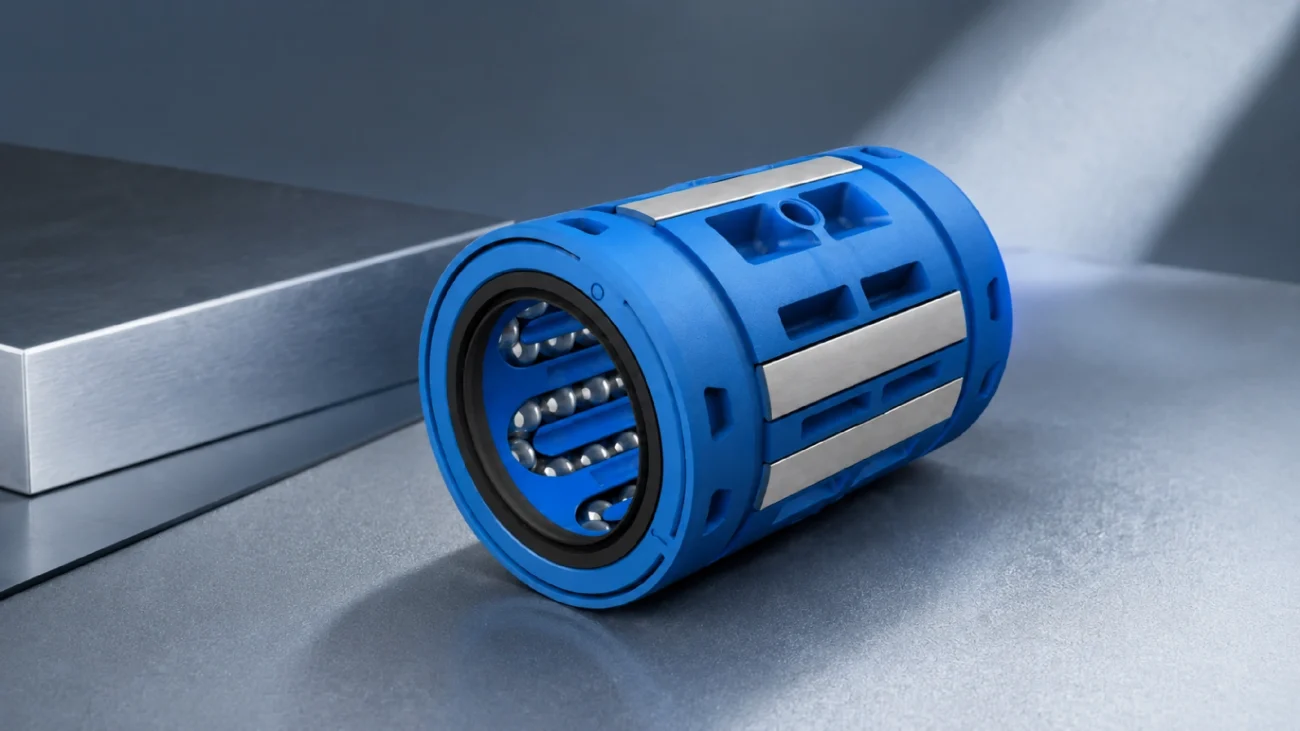
Why Linear Ball Bearing Selection Requires Type and Code Checks?
A linear ball bearing guides a component along a cylindrical shaft with recirculating balls. It offers low-friction linear travel...
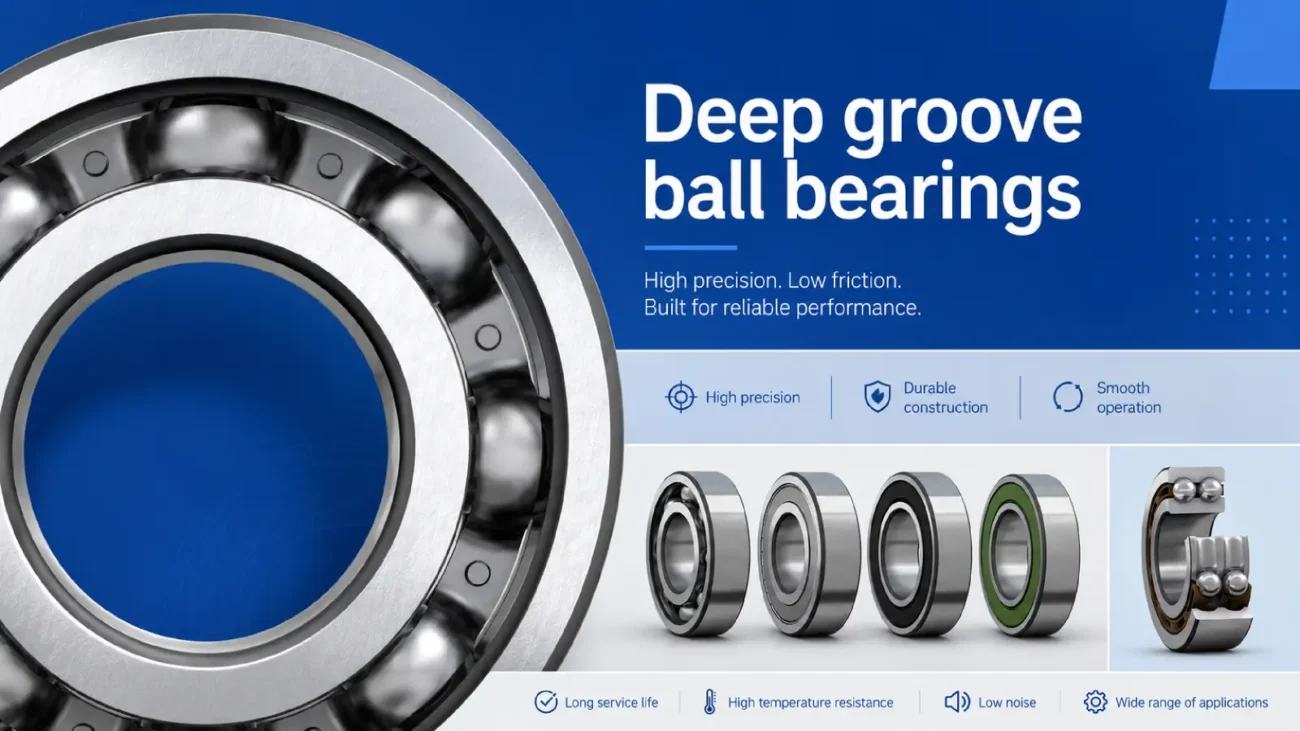
Why Single Row Deep Groove Ball Bearings Need Model Code Checks?
A deep groove ball bearing single row design is widely used because it has low friction, supports radial load and can carry ...
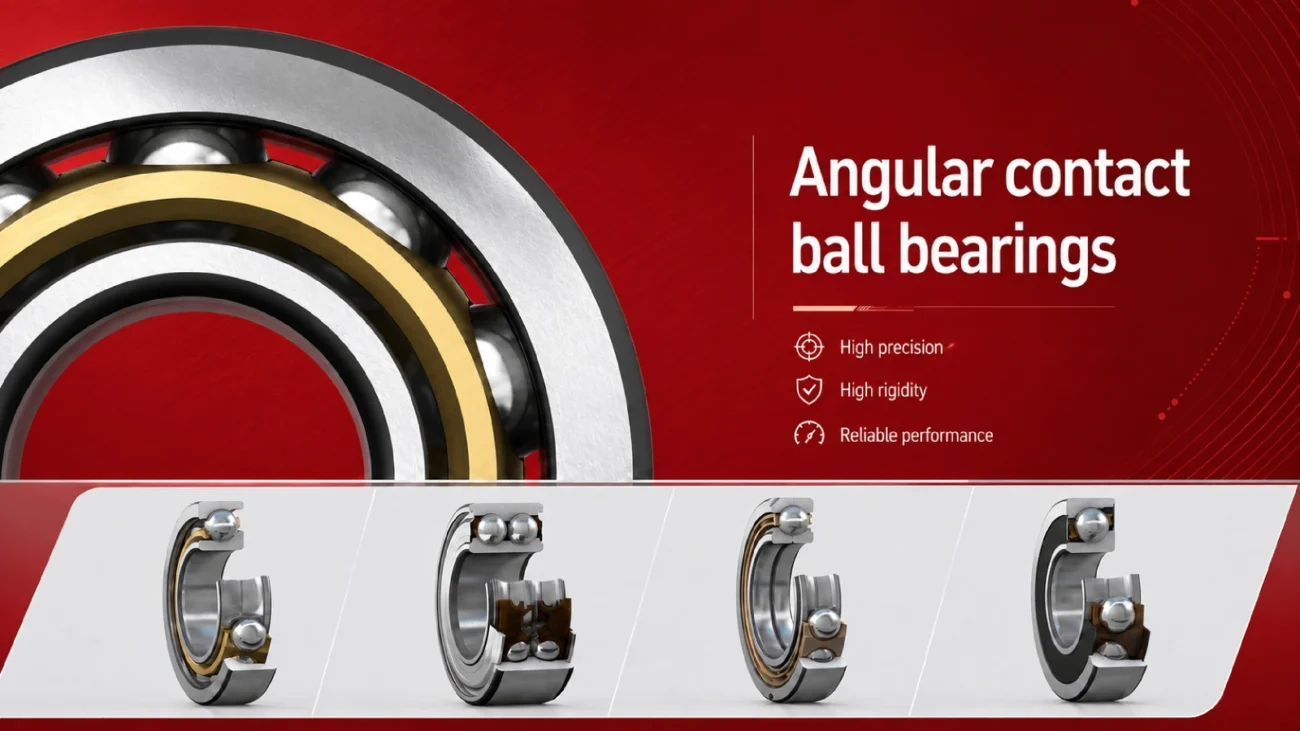
Why Angular Contact Bearing Codes Matter for Selection and Sourcing?
An angular contact bearing supports radial and axial loads through a contact angle between the balls and raceways. However, the b...
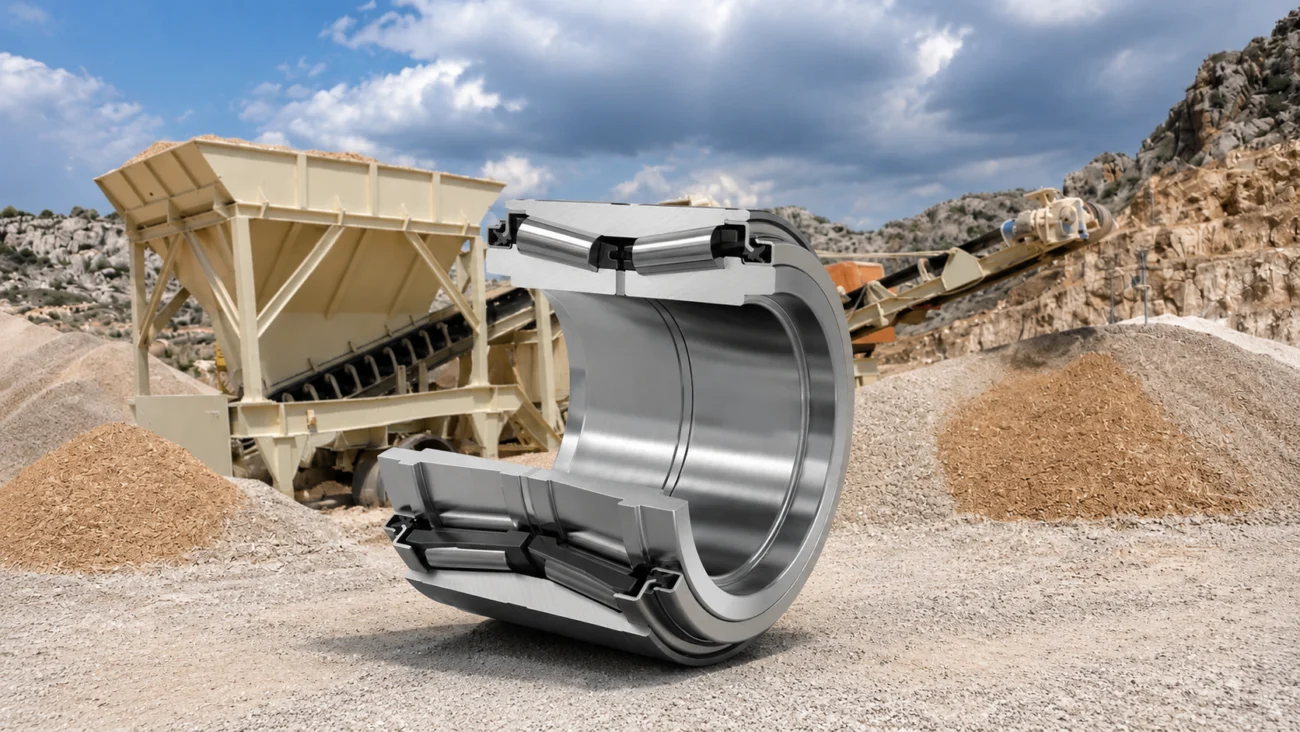
Why Gyratory Crusher Parts Buyers Should Check Bearings?
Buyers sourcing gyratory crusher parts usually work with large primary crushing equipment where a single maintenance issue c...
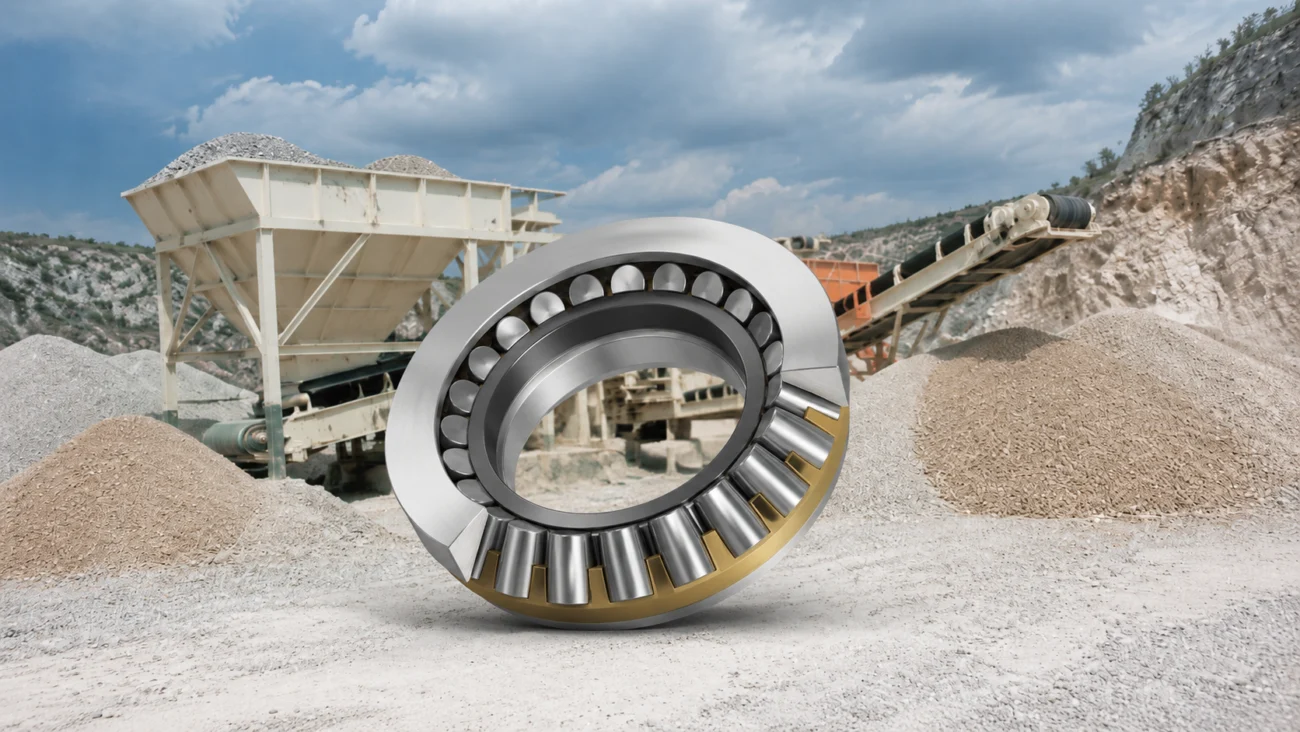
Why Raptor XL900 Cone Crusher Wear Parts Need Bearing Checks?
An inquiry for Raptor XL900 cone crusher wear parts normally starts with the crushing chamber. However, large cone crusher mainte...
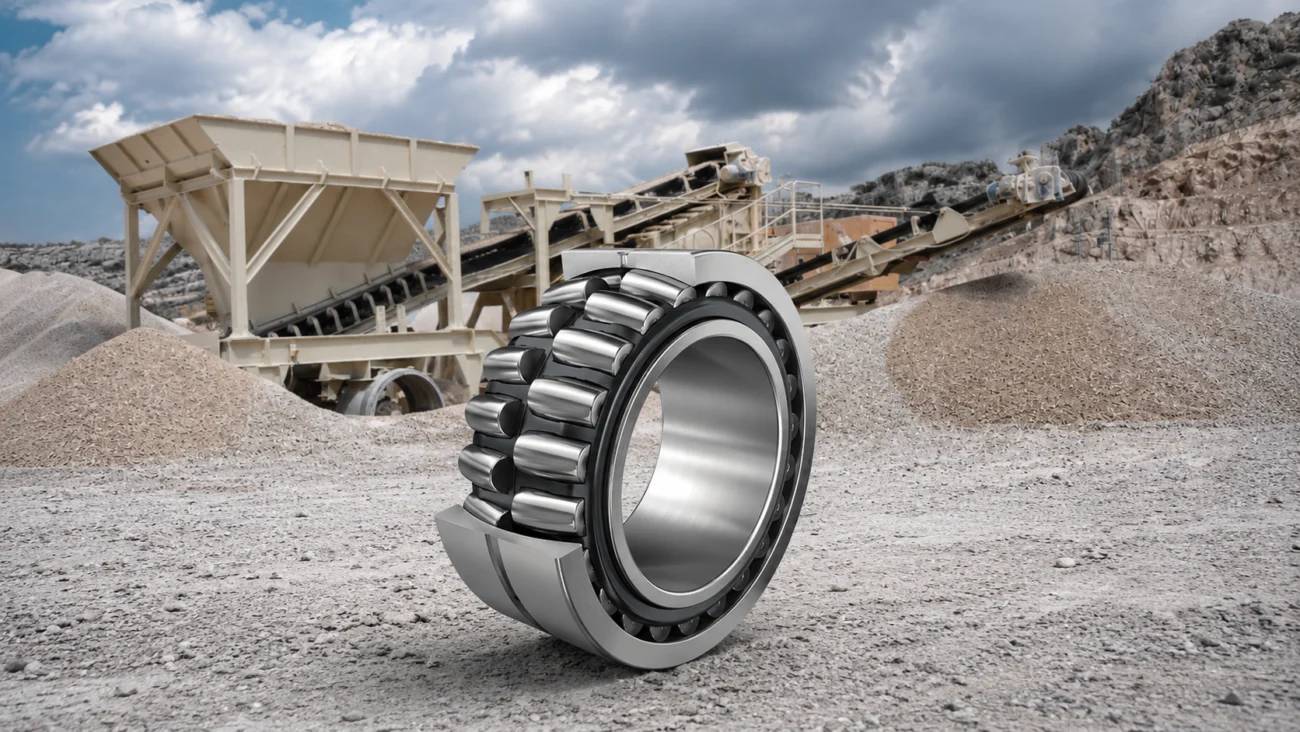
Why GP300S Cone Crusher Wear Parts Need Bearing Checks?
Buyers sourcing GP300S cone crusher wear parts are usually preparing for planned liner replacement or a larger maintenance shutdo...
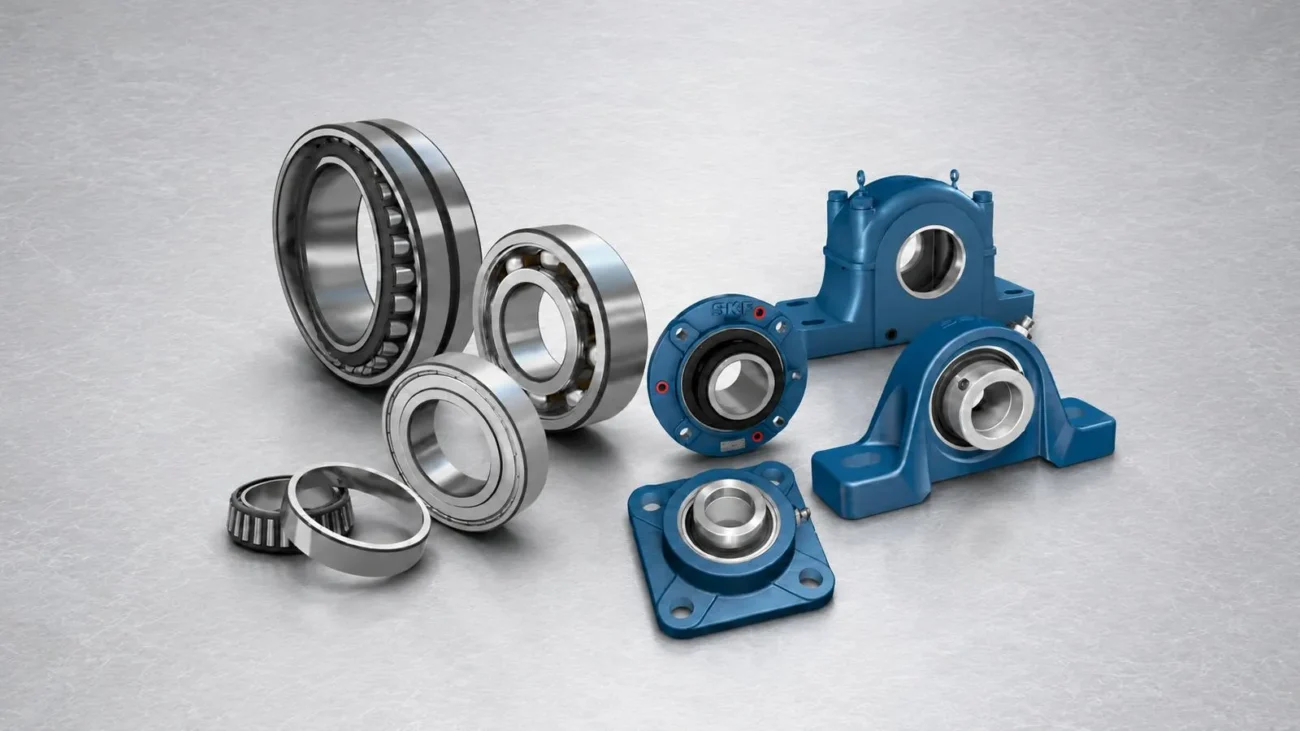
Why SKF Bearing Cross Reference Should Start with Designation Understanding?
For many bearing buyers, an SKF bearing cross reference is the first step when they need to find an equivalent model, compare bra...