

How Should Buyers Specify Roller Table Bearings for Steel Mills?

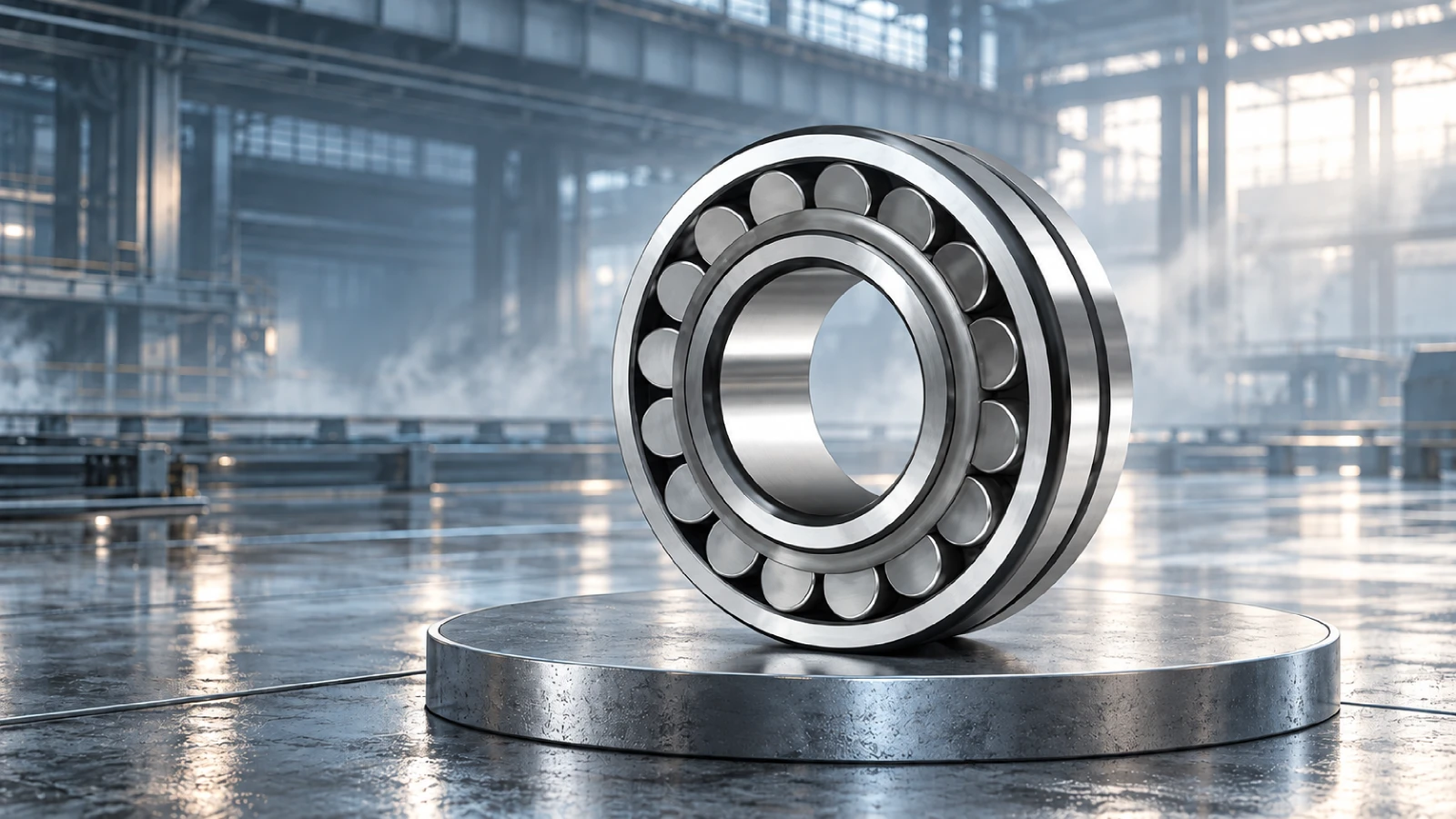
Roller table bearings support the rotating rolls that carry hot or cold product between steel processing stations. They work in a different environment from a warehouse conveyor: cooling water, mill scale and heat can reach the roll ends. For a replacement, the buyer needs the exact table zone, roll end and housing scope. A bearing-only quote can miss the seal or worn seat that caused the shutdown.
This guide focuses on steel mill table rolls and the practical checks behind an RFQ. It helps the maintenance team define whether to order a bearing, a sealed housing arrangement or a complete roll-related part.
Where Do Bearings Work on Steel Mill Roller Tables?
Roller tables move material toward, through and away from rolling equipment. The entry, transfer and runout sections do not all see the same temperature, water exposure, speed or load. Mark the line and table number, then identify the drive and non-drive ends of the failed roll. The two ends may use different locating arrangements.
Record the roll’s function and the product it carries. A hot strip runout table sees water and scale that differ from a dry transfer section. A motor-driven roll adds torque and coupling details. The bearing supports the roll shaft within a housing, while seals and lubrication protect that bearing. Ordering by roll diameter alone overlooks these end details.
An SKF-published case at U.S. Steel’s Granite City Works traced repeated hot-strip-mill roller-table bearing failures to water and moisture entering the housings through an ineffective sealing arrangement. It makes the purchase question concrete: inspect the housing, seals and lubrication path before replacing a damaged bearing. The case does not identify one universal bearing model for every table roll.
Which Roll-End Bearing, Housing and Seal Details Matter?
Identify the full bearing marking and whether the arrangement uses spherical roller, cylindrical roller or another specified bearing. The original drawing establishes the locating side, shaft fit, housing bore and axial freedom. Do not substitute a type solely because it has similar bore, outside diameter and width.
For example, Timken 22222EJW33 and 22222KEJW33 are cataloged spherical roller bearing models with different bore forms. The K version calls for a tapered-bore mounting review. These are bearing-type examples, not published fitments for a particular steel mill table roll. Check the full code and shaft arrangement before proposing either one.
Examine the housing cap, seal carrier and grease paths as an assembly. A damaged seal track or distorted bore can let water into a new bearing. Confirm the position and style of any labyrinth, contact seal or end cover. A supplier may quote a loose bearing without those components unless the buyer names them explicitly.
| Roll-end evidence | What it clarifies | Purchase implication |
|---|---|---|
| Full bearing and housing codes | Bore, fit and service side | Bearing-only or mounted scope |
| Seal photos and wear marks | Water and scale entry path | Seal or carrier requirement |
| Shaft and bore measurements | Seat condition | Repair versus direct replacement |
How Do Heat, Water, Scale and Load Change the Review?
The bearing’s operating temperature depends on the roll-end environment, not just the temperature of the steel product. Ask for normal and abnormal housing temperatures and any cooling-water arrangement. Water ingress can dilute grease or carry scale into rolling contacts. Check the specified lubricant, delivery interval and purge or drain route before selecting a sealed arrangement.
Loads vary with product mass, impact at transfer points and the number of rolls carrying the product. Record roll speed, start-stop pattern and any shock. The equipment designer’s rating and shaft drawing remain more useful than a generic conveyor load claim. Also inspect shaft bending, coupling alignment and bearing-seat wear after repeated failures.
Do not treat a higher seal rating as a cure for a leaking housing joint or damaged shaft track. Document where water entered before choosing a replacement. Inspect whether spray reaches the shaft entry, whether a labyrinth drain is obstructed, and whether grease purge follows the intended path. Photograph the seal track and joint before cleaning so the maintenance team can distinguish a failed seal from a damaged mating surface. Then include the correct seal, carrier, housing or repair item in the order instead of repeating a bearing-only purchase.
What Causes Mismatches During Table Roll Replacement?
One common error is sending a partial bearing number while omitting the roll-end location and bore suffix. Another is ordering an identical bearing for both ends despite different locating functions. Matching dimensions also cannot compensate for a worn housing or incorrect lubricant delivery.
If the bearing has failed, compare the removed part with the approved drawing. Separate measurements from an undamaged spare roll from measurements on a heat-damaged or worn component. Note corrosion, fretting, contamination and seal damage without assuming that each mark has only one cause. A replacement review may require new seals or a repaired seat as well as the bearing.
HSN can review a full model, drawing or sample for stock or technically reviewed custom supply. Agree on dimensional, hardness and clearance checks that match the specification. A proposed alternative still needs the plant’s fit, lubrication and operating approval. If the mill plans a short outage, give the receiving site and latest acceptable arrival date, and state whether a trial quantity can be checked before ordering all table positions.
What Should Buyers Send in a Roller Table RFQ?
Provide the steel line, table zone, roll number, drive or non-drive end, complete bearing and housing markings, quantity and target receipt date. Add shaft and housing drawings, photographs of seals, measured seats, lubricant specification and observed operating conditions. Tell the supplier whether the quote must include bearing only, seals and housing parts, or a complete roll-end package.
List the actual failure observation and prior service history. A short note on water exposure, scale buildup or grease condition can explain why a seal review belongs in the inquiry. Use consistent units and identify dimensions taken from drawings versus removed parts.
Ask the supplier to restate the exact quoted code, included components and inspection evidence. The maintenance team can then compare the offer with the approved table-roll arrangement before committing the mill’s outage window.
FAQ
Can I order roller table bearings by roll diameter?
No. Provide the table zone, roll-end position, full bearing code, housing and shaft drawing.
Do wet table rolls always need a different bearing type?
No. Review water entry, seals, lubrication and the approved bearing arrangement first.
Why ask HSN to review a table roll bearing?
HSN can review the code and supply scope, agree on bearing inspection criteria, and confirm a feasible delivery plan before quotation.
What should a U.S. mill include in a table-roll RFQ?
Send the roll-end code, seal photos, drawings, quantity, supply scope, U.S. receiving site and required arrival date.
Remarks
For roller table bearings, send HSN the complete model, photos, dimensions, quantity and working conditions. Add the table zone, roll-end position, seals and housing drawing; state whether other components are required.
This article is based on independent analysis of publicly available technical information and industry understanding for knowledge sharing. All brand names and trademarks mentioned belong to their respective owners. HSN Bearing Group is an independent bearing supplier and technical service provider.
Tel: +86 156 6578 7336 Email: service@hsnindustrial.com Website: www.rollingparts.com www.hsnbearing.com
Need Help with Roller Table Bearings?
Contact HSN to confirm a hard-to-find model or discuss a replacement after technical review.