

What Should Buyers Confirm Before Wheel Bearing Replacement?

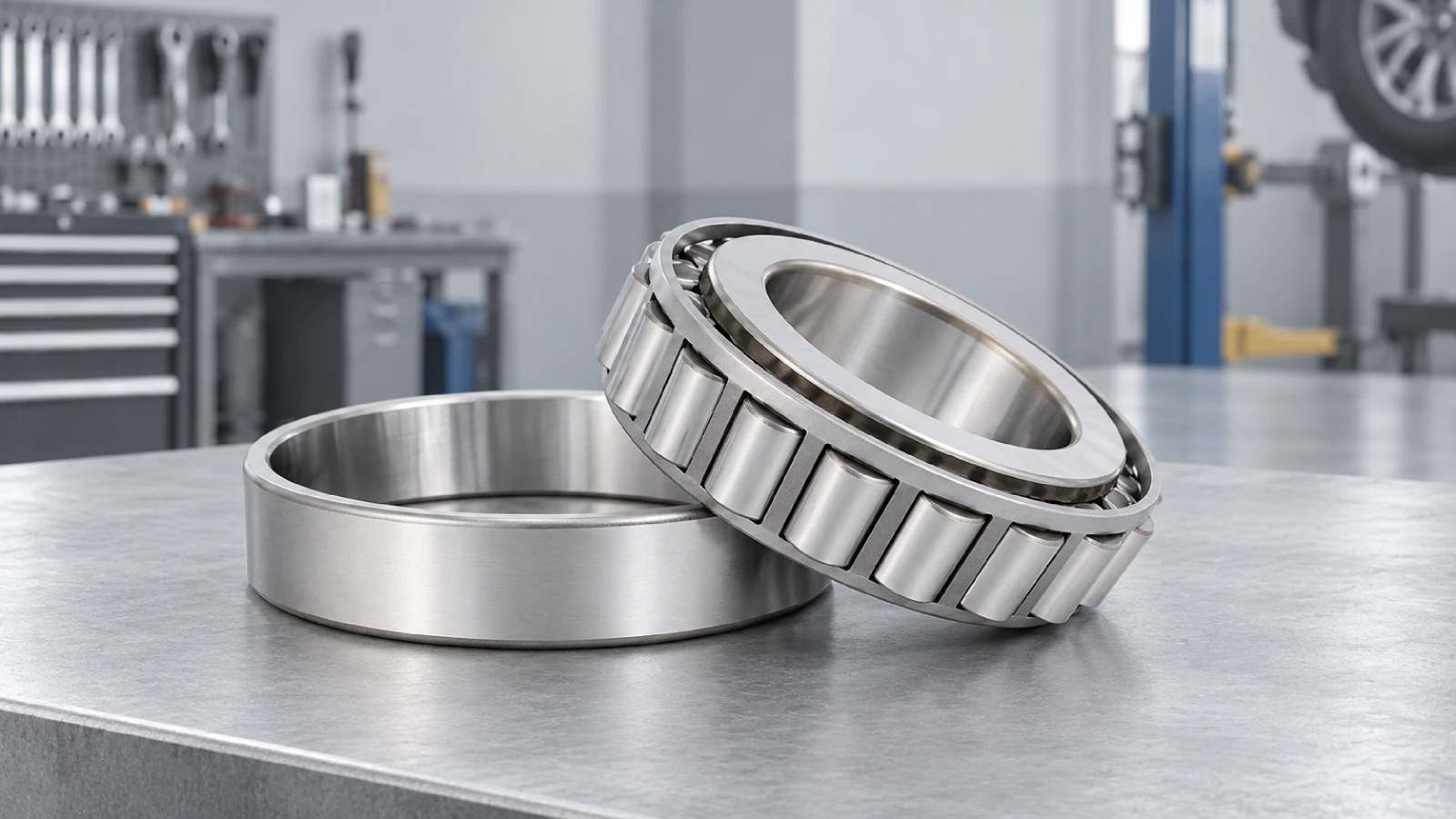
A request tagged wheel bearings replacement is useful only when the shop has identified the failed wheel end and the part it plans to install. A noise complaint may lead to a sealed hub assembly on a pickup, a press-in bearing on a passenger vehicle or paired tapered bearings in a trailer hub. Each route needs different parts and labor.
The purchasing task is to connect diagnosis with a complete repair scope. Before a vehicle enters the bay, the shop needs the correct part number, seals and hardware, plus an installation procedure for that exact design. A rushed bearing-only order can leave a trailer idle when its cup, seal or spindle also needs attention.
When Does a Wheel Bearing Need Replacement?
Grinding, rough rotation, excessive play, heat or leakage can prompt wheel-end inspection. However, tire wear, brake drag and other faults can produce similar symptoms. A technician should locate the sound, inspect the hub and measure any applicable endplay against the vehicle or axle instructions. A temperature reading after a trip is a clue, not a diagnosis by itself.
Once opened, a serviceable hub may reveal pitted rollers, damaged races, water ingress or a compromised seal. The shop should check mating surfaces before ordering a bearing set. A new bearing will not correct a worn spindle journal, enlarged hub bore or dragging brake. A sealed hub unit usually follows the specified assembly-replacement process rather than a repack.
For fleets, document side, axle, vehicle identification and observed failure mode. Those details help the buyer distinguish an isolated repair from a repeated condition that merits a maintenance review.
How Do Trailer Bearings Change Parts and Shop Time?
Changing trailer wheel bearings may involve removing the hub, cleaning and inspecting the spindle and hub, replacing the cone-and-cup pairs, packing grease and fitting a new seal. The technician then sets the bearings under the axle maker’s method and verifies operation. An existing grease-through-spindle feature does not eliminate the need to inspect worn parts and seals.
There is no universal wheel bearing replacement time. A preassembled hub may reduce component handling, while corroded fasteners, damaged cups, brake work or an unavailable seal may extend a job. Dexter offers pre-greased trailer hub kits for certain applications, but the axle and hub specifications still determine what fits. The shop should confirm the kit’s actual contents before scheduling.
The labor time for wheel bearing replacement depends on the repair procedure, vehicle condition and whether the task covers one wheel end or multiple axles. Treat a quoted shop hour as a planning estimate, not a bearing property. Ask the shop to separate teardown and inspection, bearing or hub installation, any brake or spindle repair, and final checks in its labor scope. For a U.S. trailer fleet, reserve a parts-check window before the vehicle’s maintenance slot so an unexpected seal or cup mismatch does not consume the service day.
| Repair route | Parts to confirm | Scheduling risk |
|---|---|---|
| Sealed hub unit | Assembly, axle nut and sensor details | Incorrect fit or missing hardware |
| Press-in bearing | Bearing, retainer and seal if specified | Knuckle removal and press access |
| Serviceable trailer hub | Matched cones, cups, seals and lubricant | Worn spindle or damaged hub discovered later |
Which Fits and Installation Steps Protect the Repair?
For a press-in bearing, the installer must apply force to the appropriate ring for each pressing step. Loading through rolling elements can damage a new bearing before the vehicle moves. An integrated sensor or encoder also needs the correct orientation and handling. Follow the vehicle procedure for axle-nut tightening and any one-time-use hardware.
On adjustable tapered wheel ends, fit between the cup and hub bore, the cone and spindle, and the resulting bearing setting all matter. A loose cup can rotate in its seat; excessive preload can generate heat. The axle manufacturer’s adjustment steps take priority over a generic torque value found online. Replace cup and cone together when the approved service route requires a matched set.
Keep the work area clean when handling a serviceable hub. Dirt introduced into fresh grease can damage the rolling surfaces. Inspect the seal land, install the correct seal and check for leakage after assembly. Then complete the specified post-installation inspection, including wheel rotation and any relevant endplay or sensor check.
What Common Mistakes Cause a Repeat Repair?
Ordering by wheel position alone can select the wrong unit when drivetrain or production variants differ. A similar bearing size may hide another cage, seal, sensor or hub flange. Match the VIN or trailer axle identification to the installed part, and resolve conflicting records before disassembly.
Reusing damaged races with new rollers, pressing against the wrong ring or overlooking a worn spindle can cause early failure. Another common mistake is treating extra grease as a cure for overheating. Brake drag and incorrect setting remain mechanical faults even with fresh lubricant. Record the original findings and the corrective action separately.
On a trailer, a visibly damaged seal should prompt a check for grease on nearby brake components. The shop determines whether those components also need service. A bearing invoice alone does not close that inspection.
What Should the Buyer Send for a Replacement RFQ?
Provide the VIN or trailer axle identification, year and configuration, wheel position, installed bearing or hub number, clear photos and quantity. State whether the approved repair uses a complete hub, press-in bearing or paired cone-and-cup set. List seals, fasteners and other required items separately. Add the needed receipt date and the shop’s installation window.
When a discontinued or hard-to-find number requires technical review, include the drawing or sound removed sample. Measurements should cover the bearing and its shaft and housing interfaces. Note whether the sample is worn, and identify any proposed change in design or material for engineering approval before purchase.
HSN can review complete bearing references, dimensions or samples for stock or a defined replacement option. The installer must confirm vehicle fit, wheel-end setting and final operation. Align the quote with that approval scope so the buyer can compare actual parts and delivery proposals without assuming an unverified interchange.
FAQ
Does wheel noise alone justify a bearing order?
No. Have the shop locate the fault and inspect the hub, brake and mating parts first.
Can I use one labor time for every wheel end?
No. Hub design, condition, tools and related repairs change the actual shop time.
What should a U.S. trailer fleet order ahead?
Confirm axle ID, matching cones and cups, seals, grease and the shop’s required receipt date.
How can HSN help with an unavailable number?
Send the full code, drawing or sample; HSN can review supply and inspection needs for a proposed option.
Remarks
For an inquiry about wheel bearings replacement, send HSN the complete bearing model, photos, dimensions, quantity and working conditions. Include the vehicle or trailer identification, position and approved repair scope.
This article is based on independent analysis of publicly available technical information and industry understanding for knowledge sharing. All brand names and trademarks mentioned belong to their respective owners. HSN Bearing Group is an independent bearing supplier and technical service provider.
Tel: +86 156 6578 7336 Email: service@hsnindustrial.com Website: www.rollingparts.com www.hsnbearing.com
Need Help with Wheel Bearings Replacement?
Contact HSN to confirm a hard-to-find model or discuss a replacement after technical review.