

How Did Timken Develop Its Bearing Portfolio and Industrial Reach?

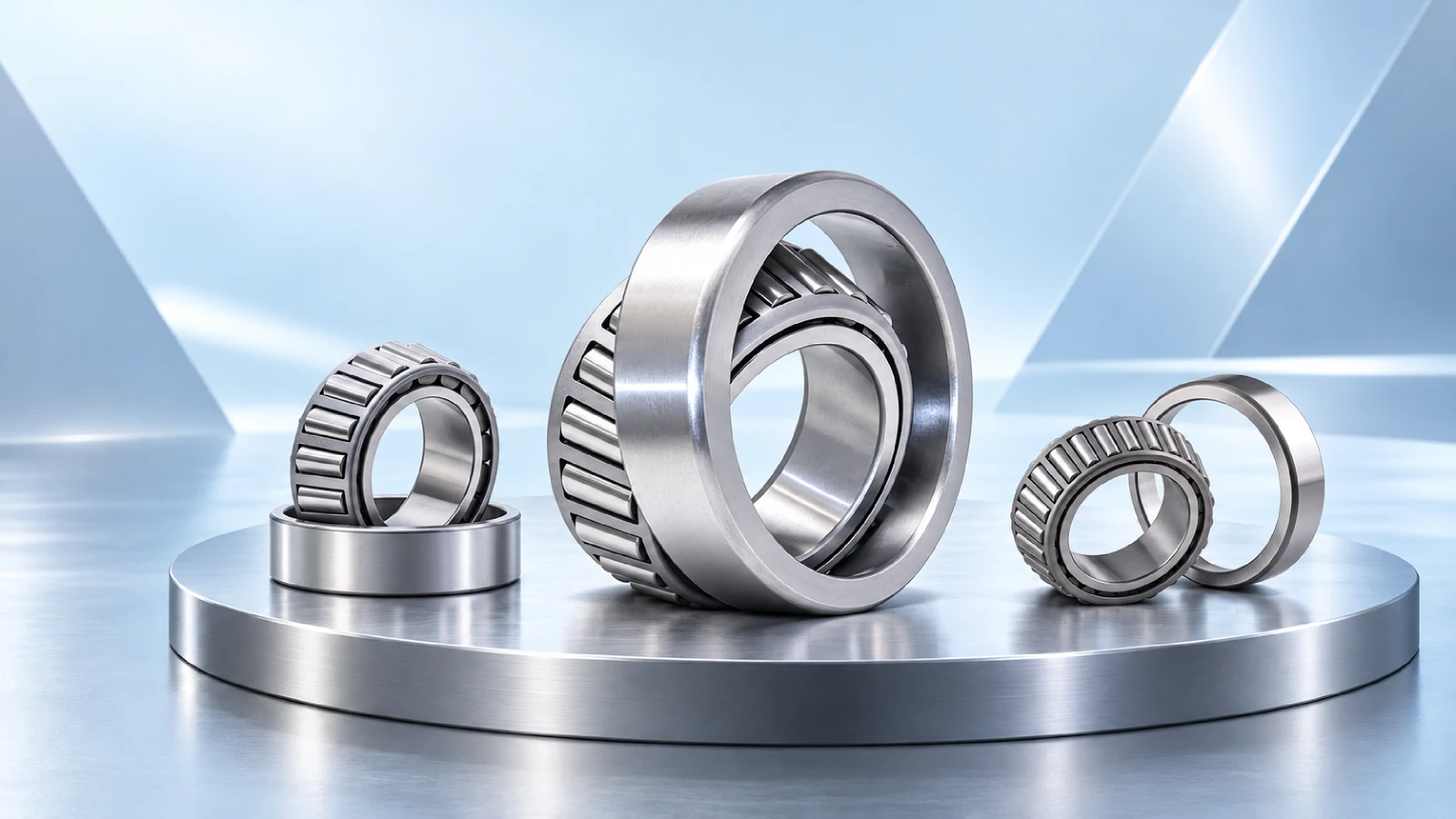
Timken is closely associated with tapered roller bearings, yet its bearing range now covers several structures used across industrial equipment. For a U.S. buyer, that history matters when an old drawing, a machine tag, and a current purchasing request use different descriptions. A brand name gives you a starting point. It does not establish the complete bearing design, current availability, or the suitability of an alternative. Understanding how the range developed helps you ask for the right technical information before a shutdown becomes a sourcing problem.
How Did Timken Begin With Tapered Roller Bearings?
Henry Timken tapered roller bearing design was the foundation of the company established in 1899. Its geometry supports combined radial and axial loads, which made it useful in early wheel and axle arrangements. The same principle later served shafts, gear drives, and other industrial positions. This origin explains the close association between the Timken name and tapered roller bearings, but the brand now covers more than one structure.
A tapered roller bearing normally has a cone assembly and a separate cup. Their markings identify different components, so an old parts list may record only one side of the arrangement. The assembly setting and the mating component still matter when specifying a replacement. For an older U.S. machine, keep the drawing, the removed components, and the latest approved repair record together. They may describe different stages of the same bearing position.
How Did Its Range Grow Beyond Tapered Roller Bearings?
Timken current bearing range includes tapered, spherical, and cylindrical roller bearings, along with mounted units and other designs. Each category addresses a different arrangement. A spherical roller bearing tolerates some misalignment, while a cylindrical roller bearing is often selected for substantial radial loading. A mounted unit adds a housing, locking method, mounting interface, and seal options around the internal bearing.
The following official Timken listings show why a familiar brand name or a shared bearing size is insufficient for an RFQ. The examples represent different product categories, not alternatives to one another.
| Verified Timken listing | Bearing category | What the buyer should identify |
|---|---|---|
| LM67048 / LM67010 | Single-row tapered roller cone and cup combination | Both component numbers, mounting arrangement, and setting requirements |
| 22220EJ | Spherical roller bearing | Full suffix, 100 × 180 × 46 mm dimensions, clearance, cage, and lubrication |
| QATU20A100SB | Single-concentric spherical roller take-up unit; 100 mm shaft | Full unit suffix, housing dimensions, locking method, and seal configuration |
LM67048 identifies the cone and LM67010 the listed cup. Ordering only the cone leaves the outer component unspecified. Timken lists QATU20A100S as a take-up product entry, while its full unit numbers add a suffix, such as QATU20A100SB, QATU20A100SC, QATU20A100ST. Confirm the selected variant and its seal details from the complete unit reference before ordering.
How Does Timken’s Range Serve Industrial Applications?
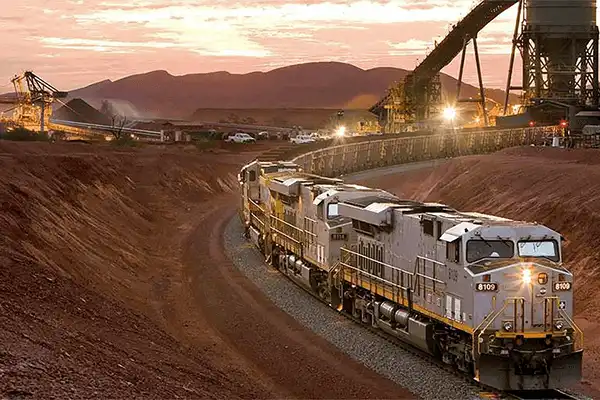
Rail equipment, process machinery, power transmission, and material handling impose different loads and maintenance demands. A rail axle may face shock and long service intervals, while a conveyor take-up needs a housing that fits its adjustment system. In a gearbox, one bearing position may locate the shaft axially while another accommodates thermal expansion. The selection depends on the position, not the industry label alone.
Misalignment accommodation is also different from axial float. A spherical roller bearing can accommodate angular misalignment within its design limits, while a floating cylindrical roller arrangement permits relative axial movement between rings. Neither feature corrects an unsuitable fit, weak housing, or excessive shaft deflection. Check the actual bearing arrangement before assigning a new product to a familiar equipment category.
Therefore, “rail bearing” or “mining bearing” cannot specify ring geometry, fits, clearance, or sealing. Engineers need the load direction, speed, temperature, contamination, lubrication, and mounting details. For a U.S. purchasing request, include the exact machine position and the latest approved specification. This helps prevent a broad catalog category from being mistaken for a validated part.






Why Do Legacy Timken Part Numbers Still Appear in Sourcing?
Industrial equipment can remain in service long after its original purchase. Drawings, parts lists, service records, and storeroom labels may retain a number used when the machine was built or last repaired. A buyer can therefore find several descriptions for one location. The oldest record is a useful lead, but it does not prove that a current listing has identical internal features.
First, distinguish the marking on each removed component from the stock number in the maintenance system. Record both cone and cup in a tapered roller arrangement. Preserve the complete suffix and clearance marking on a spherical roller bearing. For a mounted unit, photograph the housing, shaft locking arrangement, and seal as well as the bearing marking. If records disagree, compare the physical assembly with the most recent approved drawing before selecting a candidate.
Similar bore and outside diameters cannot establish equal cage design, clearance, sealing, lubrication provisions, or operating behavior. Document any previous repair modification that changed the original arrangement.
What Should Buyers Verify in a Timken Alternative Review?
Start with the complete original reference and every visible marking. Add clear photographs of the bearing, its machine position, and any available drawing. State bore, outside diameter, width, shaft and housing fits, and specified internal clearance. Identify the cage, seal, lubrication method, and whether the position locates the shaft or permits axial movement.
Describe loads, speed, shock, temperature, contamination, and repair history. Include quantity, delivery target, and inspection requirements. For tapered roller bearings, identify the mating cup or cone and the required assembly setting. For a mounted unit, confirm the full unit suffix and mounting envelope; an internal bearing number alone cannot define its housing or sealing.
HSN can review a hard-to-source reference against the supplied model, drawing, sample, and working conditions. Depending on the confirmed design and quantity, the discussion may cover available stock, a technically reviewed alternative, or drawing-based customization. Before shipment, agreed inspection can address dimensions, hardness, clearance, and other order-specific checks. Neither a shared size nor an old cross-reference establishes interchangeability without a technical review. For an urgent U.S. order, send the records in one RFQ and flag the outage date. HSN can then clarify missing specifications and check supply options.
FAQ
Can the same dimensions confirm a Timken replacement?
No. Matching bore, OD, and width does not confirm the same clearance, cage, seal, fit, or internal design.
Why must Timken bearing suffixes be preserved?
Suffixes may identify clearance, cage, seals, lubrication, or other design details needed for correct sourcing.
Why should buyers identify the bearing position?
The drive end and free end may require different axial location, clearance, fit, or expansion capability.
How can HSN help with a hard-to-find bearing?
HSN can review the reference and technical details, then discuss stock, an alternative, or customization if feasible.
Remarks
For detailed Timken bearing models beyond those listed above, please contact HSN. Send the complete model, photos, dimensions, quantity, and working conditions so the technical review starts with the right information.
This article is based on independent analysis of publicly available technical information and industry understanding, and aims to provide knowledge sharing. All brand names and trademarks mentioned in this article belong to their respective owners. HSN Bearing Group is an independent bearing supplier and technical service provider.
Tel: +86 156 6578 7336 Email: service@hsnindustrial.com Website: www.rollingparts.com www.hsnbearing.com
Need Help Sourcing a Timken Bearing?
Contact HSN to confirm a hard-to-find model or discuss a replacement after technical review.