

A Buyer’s Guide to Timken Split Roller Bearing Structure and Interchange

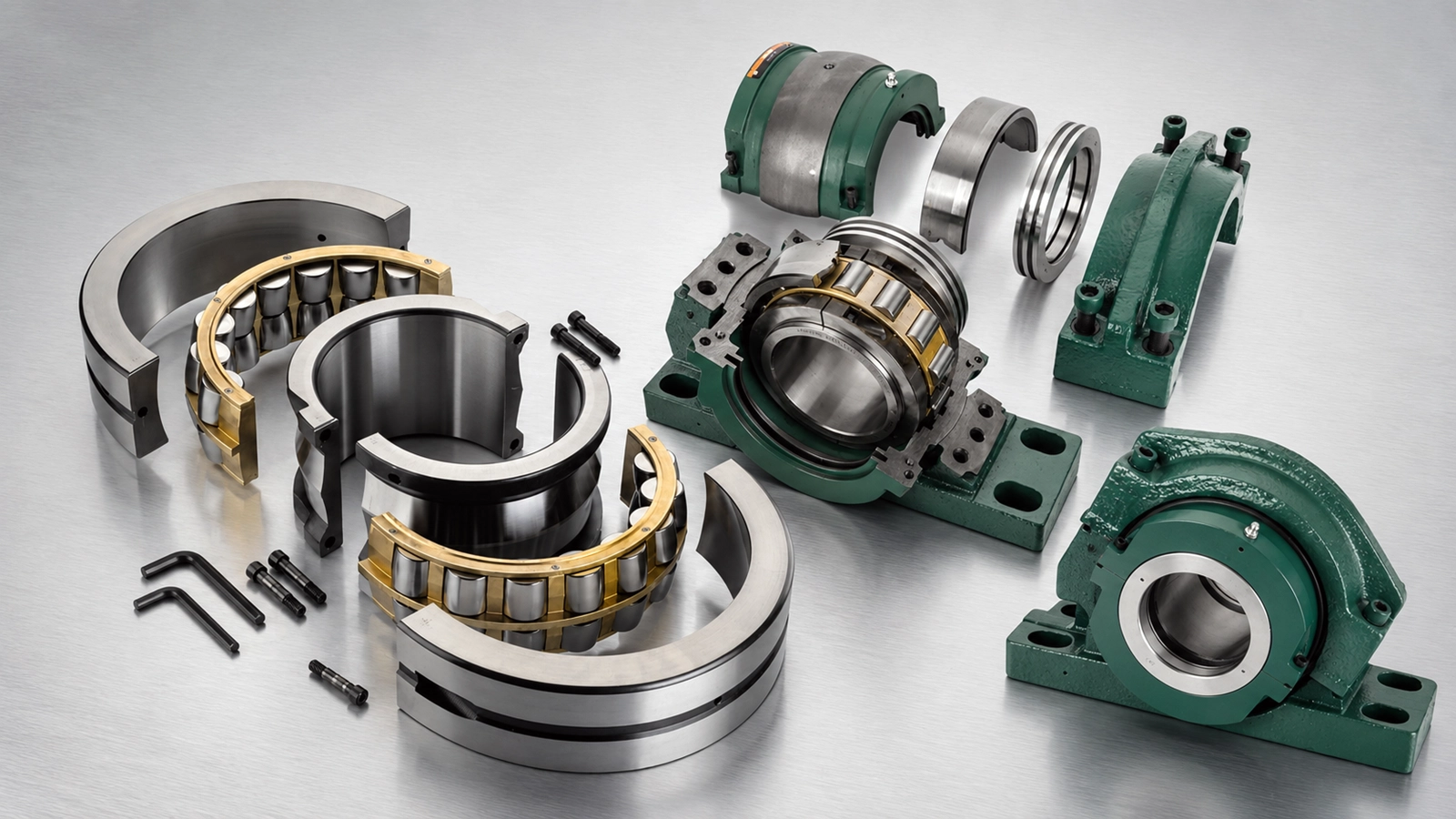
Timken split roller bearings are designed for applications where removing the shaft, coupling, drive, or surrounding equipment would be difficult and time-consuming. Their split construction allows the bearing and housing components to be installed or replaced around the shaft, helping reduce dismantling work and maintenance downtime.
Accurate sourcing still depends on more than the shaft diameter. Buyers should confirm the bearing arrangement, housing and support type, seal configuration, mounting dimensions, and interchange references. This guide covers the main design features, product structures, model code examples, Cooper interchange references, typical industries, and inquiry details for Timken split roller bearings.
Table of contents
- What Design Features Should Buyers Check in Timken Split Roller Bearings?
- What Structures Are Available for Timken Split Roller Bearings?
- What Do the Numbers and Letters in Timken Split Roller Bearing Codes Mean?
- How Should Buyers Use Timken Split Roller Bearings and Cooper Interchange References?
- What Industries Use Timken Split Roller Bearings?
- What Should Buyers Confirm Before Ordering Timken Split Roller Bearings?
- How HSN Supports Split Roller Bearing Reference and Sourcing
- Frequently Asked Questions
What Design Features Should Buyers Check in Timken Split Roller Bearings?
Timken split roller bearings are designed for split-to-the-shaft installation. This means the bearing can be assembled around the shaft without removing major connected equipment in many applications.
Important design features include a precision machined brass cage, integrated cage clip, profiled rolling elements, removable housing caps, and multiple seal options. These features help buyers focus on practical maintenance questions: how the bearing is installed, how it is inspected, and whether the seal is suitable for the working environment.
The housing and support structure are also important. Split bearing units may work in dusty, wet, hot, or contaminated applications. Therefore, buyers should confirm the seal type, support arrangement, shaft size, speed, temperature, and contamination level before choosing a model.
What Structures Are Available for Timken Split Roller Bearings?
Timken split roller bearings may be supplied as individual bearings, housings, or complete housed units. Buyers should confirm whether they need only the bearing or a full assembly.
Bearing, Housing and Support Units
The prefix is often the most useful starting point. For example, CF usually points to a stud type CAMROL cam follower, while CFH indicates a heavy stud version. CYR is commonly associated with yoke type cam rollers. Metric CAMROL designs may use prefi
Common unit references may indicate:
- bearing only;
- housing only;
- bearing and housing;
- bearing, housing and support;
- retained or expansion arrangement.
Expansion types allow axial movement, while retained types locate the shaft axially. This distinction is important because a locating bearing and a floating bearing do not perform the same function.
Support Types
Common support styles include pillow block supports, flange units, take-up units, and hanger units. Pillow block supports are widely used for general shaft mounting. Flange units support installation against vertical or horizontal faces. Take-up units are used where conveyor or elevator tensioning is required.
What Do the Numbers and Letters in Timken Split Roller Bearing Codes Mean?
Timken split roller bearing codes usually include the series prefix, unit of measure, shaft size, unit type, and additional suffix. Buyers should read the full code because the same shaft size may have different unit types, support arrangements, or seal designs.
Model Code Example: LSE315BXHSATL
The following example shows how a split roller bearing housed unit reference can be divided into practical sections.
| Code | Code section | Meaning |
|---|---|---|
| LS | Series prefix | Light series split cylindrical roller bearing |
| E | Unit of measure | Imperial size, also called English size |
| 315 | Bearing size / shaft size | 3 15/16 in. shaft size |
| BXHS | Unit type | Bearing, housing and support, expansion type |
| ATL | TAdditional suffix | Aluminium triple labyrinth seal |
This example shows why the suffix and unit type must be checked before ordering. A bearing with the same shaft size may still require a different support type, retained or expansion arrangement, or seal design.
More Code Examples
A reference such as LSE407BR can be read as a light series, imperial-size retained bearing for a 4 7/16 in. shaft. A code such as MSE815BRHSKPS can be read as a medium series, imperial-size retained bearing, housing and support with Kevlar® packing seals.
| Code | Code section | Meaning |
|---|---|---|
| MS | Series prefix | Medium series split cylindrical roller bearing |
| E | Unit of measure | Imperial size |
| 815 | Bearing size / shaft size | 8 15/16 in. shaft size |
| BRHS | Unit type | Bearing, housing and support, retained type |
| KPS | Additional suffix | MKevlar® packing seal |
For sourcing, buyers should confirm the complete code, shaft size, support type, retained or expansion function, housing dimensions, and seal requirement. This is especially important when checking Timken split roller bearings against Cooper or other interchange references.
How Should Buyers Use Timken Split Roller Bearings and Cooper Interchange References?
Timken split roller bearing references are often compared with Cooper or other split bearing references. However, an interchange reference should be used only as a starting point.
For example, a Cooper-style reference such as 01B1000EX may help begin the search, but it does not automatically confirm direct interchangeability. Buyers should compare shaft size, series, retained or expansion arrangement, housing dimensions, center height, bolt pattern, support type, and seal design.
A safe interchange process should include:
- Confirm the existing bearing and housing reference.
- Check shaft size and unit function.
- Compare housing and support dimensions.
- Confirm retained or expansion position.
- Review speed, load, temperature, and contamination.
- Verify seal and lubrication requirements.
Do not assume that two split units are interchangeable only because the reference appears in an interchange table.
What Industries Use Timken Split Roller Bearings?
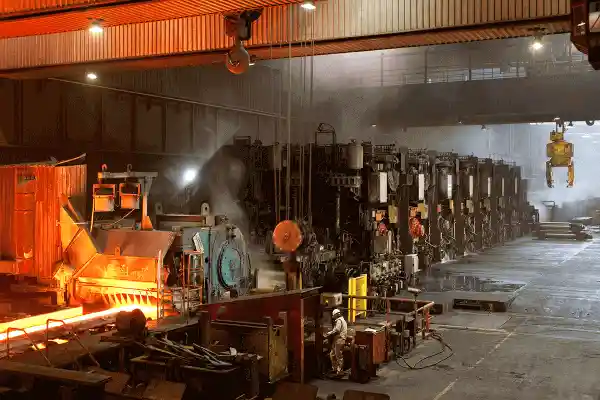
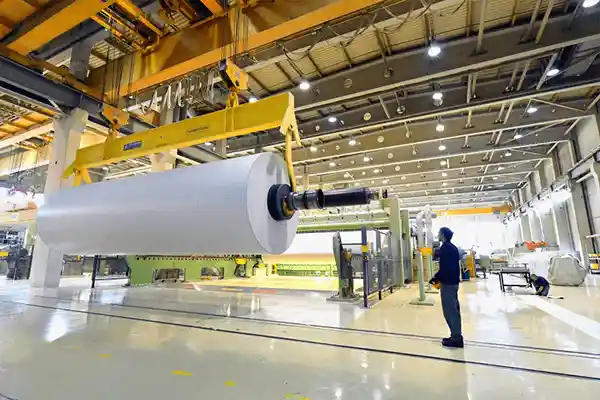
Timken split roller bearings are commonly used in industries where downtime and disassembly cost are important. Typical applications include mining conveyors, cement equipment, aggregate processing, steel mills, paper machinery, fans, blowers, marine shafts, elevators, and bulk material handling systems.
These bearings are especially practical where the shaft is long, heavy, or connected to other equipment. They are also useful when bearing access is limited or when maintenance teams need to reduce disassembly work.
For harsh environments, buyers should pay attention to sealing, lubrication, housing strength, and contamination protection.


What Should Buyers Confirm Before Ordering Timken Split Roller Bearings?
Before ordering, buyers should provide clear mechanical and application information.
| Confirmation item | Why it matters |
|---|---|
| Complete model number | Confirms series and unit type |
| Shaft size | Determines bearing size |
| Retained or expansion type | Controls shaft location |
| Housing and support style | Affects installation |
| Seal type | Matches environment |
| Photos and dimensions | Helps verify interchange |
Buyers should also provide load, speed, temperature, contamination level, lubrication method, quantity, and whether the request is for bearing only or a complete housed unit.
How HSN Supports Split Roller Bearing Reference and Sourcing
HSN Bearing Group supports overseas buyers with split bearing model confirmation, interchange discussion, sourcing, and inspection before shipment. When customers provide a Timken, Cooper, or other reference, HSN can help compare structure, shaft size, seal design, and housing requirements.
For hard-to-source, obsolete, or older split bearing references, HSN can discuss a suitable replacement option after technical confirmation. The review may include shaft diameter, bearing series, housing style, support arrangement, seal configuration, load conditions, operating speed, lubrication method, and mounting dimensions. Drawings, photos, samples, or equipment information can also be used to compare the original unit with available alternatives before supply.
Frequently Asked Questions
Can a split bearing be installed without removing the shaft?
In many applications, split-to-the-shaft installation can reduce disassembly work. However, the actual installation depends on the equipment layout.
What is the difference between retained and expansion types?
A retained type helps locate the shaft axially. An expansion type allows axial movement caused by thermal growth or shaft movement.
Does a Cooper reference guarantee interchangeability?
No. It should be used only as an initial reference. Dimensions, structure, seal, and application conditions must be checked.
What information is needed for a replacement discussion?
Send the complete model number, shaft size, photos, housing dimensions, support type, seal type, quantity, and working conditions.
Remarks
For detailed Timken split roller bearing not listed above, please contact HSN for model confirmation and supply discussion. When checking a Cooper interchange reference, you can also send the complete model number, photos, dimensions, shaft size, quantity, and working conditions for review.
This article is based on independent analysis of publicly available technical information and industry understanding for knowledge sharing. All brand names and trademarks mentioned belong to their respective owners. HSN Bearing Group is an independent bearing supplier and technical service provider.
Tel: 86.156.6578.7336 Email: service@hsnindustrial.com Website: www.rollingparts.com www.hsnbearing.com
Need Help Confirming Timken Split Roller Bearing or Cooper Interchange References?
If you urgently need a hard-to-find bearing from stock in China or want to discuss a cost-effective alternative or improved solution after technical confirmation, contact HSN with your inquiry details.