

Why Buyers Ask: Where Are Timken Bearings Manufactured?

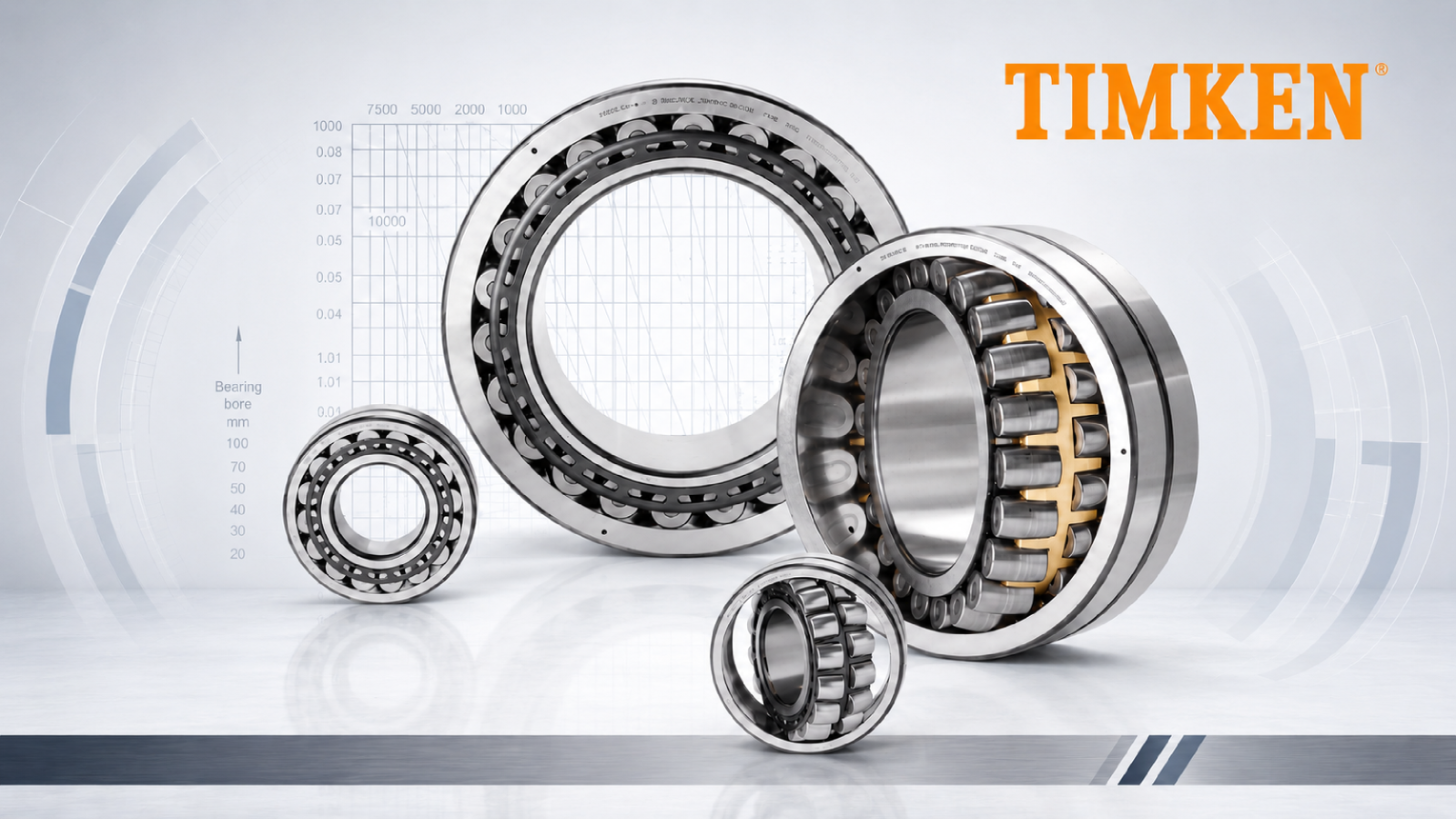
Where are Timken bearings manufactured? The short answer is that Timken manufactures bearings through a global production network rather than in one country. Timken has manufacturing, assembly, service, engineering and distribution operations across several regions, including North America, Europe and Asia. Therefore, two genuine bearings carrying the Timken name may show different countries of origin.
For distributors, maintenance teams, engineers and equipment builders, origin is useful traceability information. However, it does not replace model confirmation. Buyers should also check the complete reference, bearing structure, supplier channel, markings and application requirements before ordering.
How Did Timken Become a Global Bearing Brand?
The Timken Company was founded in 1899 by Henry Timken and his sons in St. Louis, Missouri. Its early development centered on the tapered roller bearing. Over more than a century, the business expanded into other engineered bearings, industrial motion products and related services.
This history matters because the name “Timken” can now refer either to a bearing brand or to the wider company portfolio. Buyers should not assume that every product owned by The Timken Company is a Timken-branded bearing. Buyers should still check product identity on the bearing, packaging, order documents and current technical information.
Which Timken Brands and Manufacturing Sites Matter?
The Timken Company portfolio includes the Timken bearing brand and other industrial brands such as GGB, Rollon, Philadelphia Gear, Cone Drive, Nadella, Groeneveld and BEKA. These brands cover different product groups. For example, the wider portfolio includes bearings, linear motion, gearing, lubrication, chains, couplings and sealing products.
Timken’s production footprint is multinational. Current corporate information describes manufacturing and related operations in the United States and many other countries. In China, Timken’s official location information lists bearing-related production bases in Yantai, Wuxi, Chengdu and Xiangtan. Other facilities serve different industrial motion product groups.
The country shown on a bearing can therefore depend on the product family, size, production allocation and destination market. Buyers should treat a country-of-origin marking as one traceability point rather than a stand-alone test of authenticity or suitability.
What Bearing Types Does Timken Produce?
Timken’s engineered bearing portfolio covers tapered, spherical and cylindrical roller bearings, as well as thrust, ball, plain, precision, miniature, rod-end and mounted bearing products. Buyers comparing these structures can also review HSN’s Industrial Bearings range, including the Spherical Roller Bearings category. The spherical roller bearing range is designed for high radial loads and applications involving misalignment, contamination or demanding operating conditions.
How to Read a Timken Spherical Roller Bearing Reference?
Consider the example 22320EMW33C3. Each section communicates a different part of the bearing configuration.
| Code | Code section | Meaning |
|---|---|---|
| 223 | Series | Spherical roller bearing series |
| 20 | Bore code | Bore code 20; for this two-digit code, 20 × 5 gives a 100 mm bore |
| EM | Cage design | One-piece machined-brass cage, guided by the rollers |
| W33 | Lubrication feature | Lubrication groove and three holes in the outer ring |
| C3 | Internal clearance | Radial internal clearance greater than normal |
The full suffix matters. A bearing with C3 clearance is not automatically suitable where normal clearance is required. Likewise, cage design, bore form and lubrication features can affect mounting and operation. Buyers should compare the complete code rather than using the basic series alone.
The model number identifies the bearing configuration, but it does not normally identify the manufacturing country. When buyers ask where Timken bearings are manufactured, they should compare the country-of-origin marking with the complete model, packaging and available traceability information.
Which Industries Use Timken Bearings?
Timken products serve industrial distribution and equipment applications across several markets, including:
- Aerospace and defense
- Automation and industrial machinery
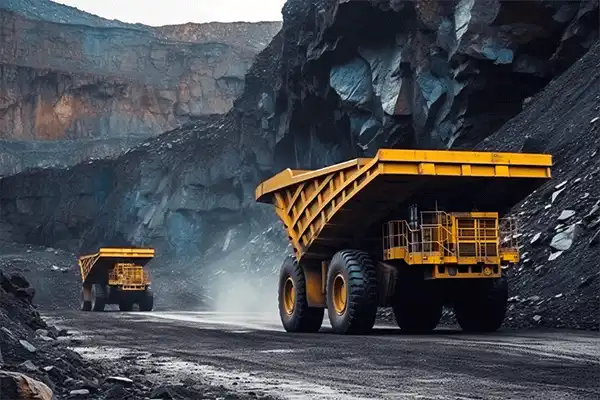
- Construction and heavy equipment
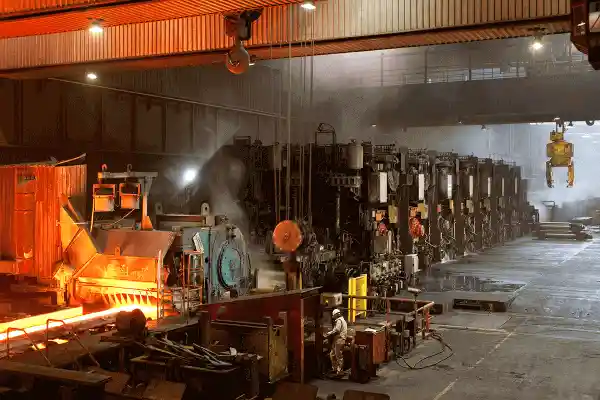
- Mining, metals and material processing
- Power generation and renewable energy
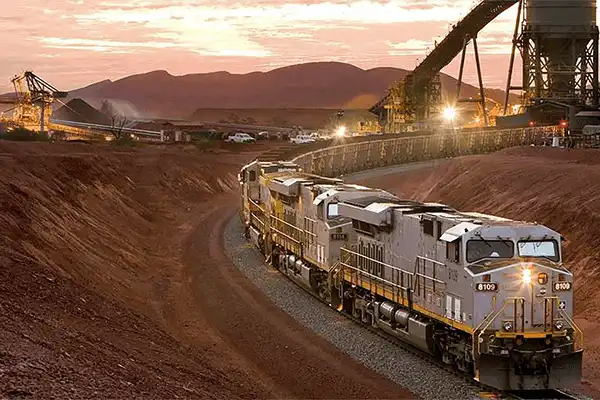
- Rail and industrial transportation
- Marine, agriculture and food production
The correct bearing still depends on its position in the machine. Load direction, speed, temperature, shaft and housing fits, lubrication, contamination and expected maintenance interval should be reviewed. Even within one industry, a gearbox, wheel end, conveyor and main shaft can require very different bearing structures.

How Can Buyers Verify Timken Bearing Origin?
Start with the physical product and its commercial documents. A reliable review should connect the model, origin statement and supplier identity.
| Buyer check | Evidence to review | Why it matters |
|---|---|---|
| Product identity | Complete reference on bearing and packaging | Confirms series, size and suffixes |
| Manufacturing origin | Country-of-origin marking and available traceability information | Supports origin verification |
| Supplier identity | Company details, invoice and stated sales channel | Clarifies who is supplying the product |
| Product condition | Photos, packaging and inspection records when available | Identifies damage or inconsistencies before use |
| Technical suitability | Drawing, dimensions and application data | Reduces selection risk |
Buyers requiring documented pre-shipment inspections may also review HSN’s Bearing Quality Inspection service prior to placing orders.
Timken also directs buyers to its official distributor locator and participates in the World Bearing Association’s bearing authentication initiative. However, an app or label check should not replace a technical review when the bearing reference, suffix or application is uncertain.
What Should Buyers Provide for Stock or Alternative Review?
When an original model is difficult to source or has a long lead time, an independent supplier can help check stock, sourcing possibilities or a technically confirmed replacement option. For an effective review, provide:
- Original brand and complete bearing number
- Clear photos of the bearing and packaging
- Dimensions, drawing or sample information
- Required quantity and delivery destination
- Equipment type and installation position
- Load, speed, temperature and contamination conditions
- Clearance, cage, seal and lubrication requirements
- Inspection and delivery requirements
HSN Bearing Group supports industrial bearing sourcing, model confirmation, inspection and replacement discussions. HSN maintains more than 2,000 tons of bearing inventory across commonly requested industrial types. Before shipment, key checks focus on dimensional tolerance, hardness and clearance. Additional material, accuracy, vibration, noise or flaw-detection checks can be discussed when required.
Remarks
For detailed Timken bearing models not listed above, please contact HSN for model confirmation and supply discussion. For other bearing types, you can also send the complete reference, photos, dimensions, quantity and working conditions.
This article is based on independent analysis of publicly available technical information and industry understanding and is intended for knowledge sharing. All brand names and trademarks mentioned belong to their respective owners. HSN Bearing Group is an independent bearing supplier and technical service provider, not an authorized Timken distributor.
Tel: +86 156 6578 7336 Email: service@hsnindustrial.com Website: www.rollingparts.com www.hsnbearing.com
Need Help Confirming Timken Bearing Origin or Models?
If you urgently need a hard-to-find bearing from stock in China or want to discuss a cost-effective alternative or improved solution after technical confirmation, contact HSN with your inquiry details.