

Why Buyers Should Check Glacier Bearing Company Products and Codes

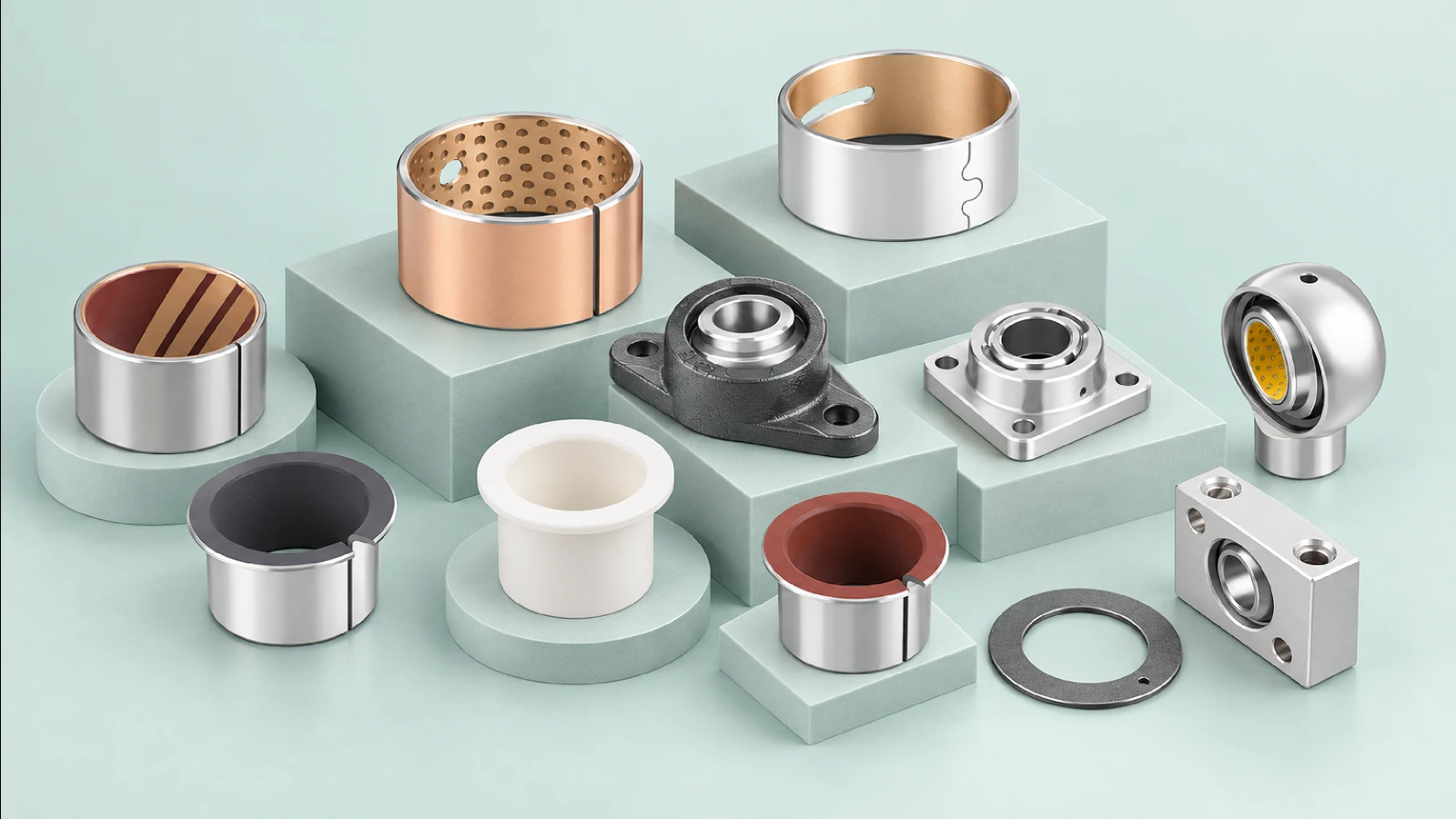
The term glacier bearing company often appears in searches for older bushings, plain bearings, and material references still used in maintenance records. Current products are associated with GGB, but installed parts, drawings, and historical documents may carry Glacier, Glacier Garlock Bearings, or other legacy naming.
That history matters because a short code can identify a bearing material rather than a complete finished part. Buyers must also confirm the bearing form, dimensions, backing, sliding layer, lubrication condition, motion, load, shaft, housing, and operating environment before discussing supply or replacement.
How Did Glacier Bearing Company Evolve into GGB?
The Glacier history began in the United Kingdom. Findlay Motor Metals was founded in 1899 and was renamed Glacier Antifriction Metal Company two years later. The company began producing plain bearings in 1910 as internal-combustion-engine demand increased.
Several later developments shaped the product identity. Glacier introduced the DU metal-polymer bush in 1956 and the DX material for lubricated applications in 1965. Garlock became a US distributor for Glacier products in 1958, and the two organizations established Garlock Bearings as a joint venture in 1976.
The combined business later operated as Glacier Garlock Bearings. In 2004, that name changed to GGB, followed by the name GGB Bearing Technology in 2006. Current GGB material shows the company as part of The Timken Company’s portfolio of engineered bearings and industrial motion products.
Consequently, an old Glacier reference may still point to a product family that continues under GGB naming. However, the historical link does not prove that every old code has an unchanged modern equivalent.
Which Plain Bearing and Bushing Categories Should Buyers Know?
GGB supplies several sliding-bearing and surface-engineering families. Because their constructions differ, buyers should first identify the material system. The codes below identify materials or product families rather than complete finished-part numbers.
| Material or product family | Code examples | Main selection issue |
|---|---|---|
| Metal-polymer bearings | DU, DU-B, DP4, DX, HI-EX | Backing material, lining, dry or lubricated use, load, speed, and temperature |
| Engineered plastic bearings | EP, EP12, EP30, EP43 | Moisture, chemical exposure, temperature, load, geometry, and dimensional stability |
| Fiber-reinforced composite bearings | GAR-MAX, GAR-FIL, HPMB | High load, shock, misalignment, corrosion, machining allowance, and lubrication limits |
| Metal and bimetal bearings | GGB-DB, AuGlide, GGB-SHB, GGB-CBM | Alloy, sliding layer, lubrication, load, oscillation, speed, and counterface condition |
| Coatings and assemblies | TriboShield, Exalign | Substrate, coating thickness, mating surface, alignment, and assembly dimensions |
For example, DU identifies a steel-backed metal-polymer material intended for low-friction operation, while DU-B uses bronze backing for improved corrosion resistance. DX belongs to a material system intended for marginally lubricated service. By contrast, GAR-MAX belongs to a filament-wound composite family designed for high loads and shock. These codes describe different constructions and should not be treated as interchangeable grade names.
The finished component may take the form of a cylindrical bush, flanged bush, thrust washer, strip, plate, or special part. Therefore, buyers must combine the material or family code with the complete form, dimensions, tolerances, and current drawing or catalog reference.
Where Are Glacier Bearing Products Commonly Applied?
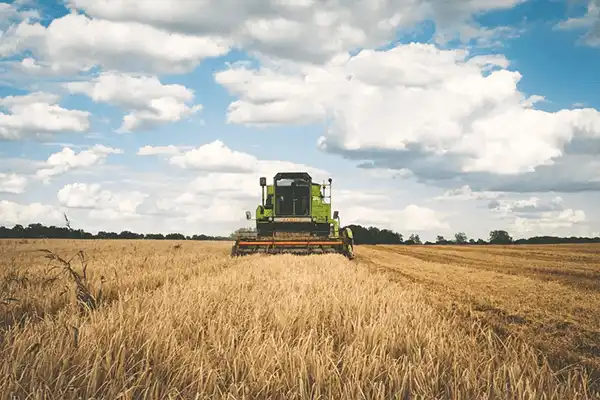
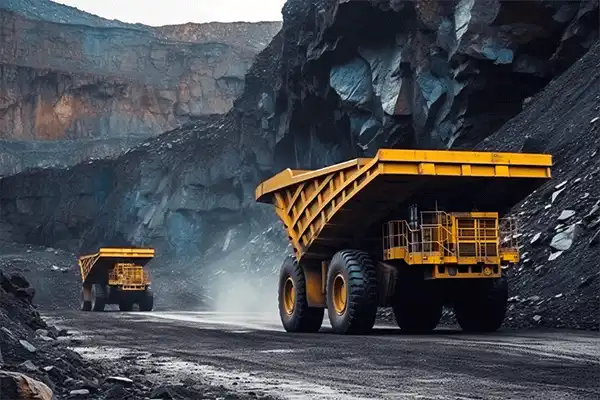
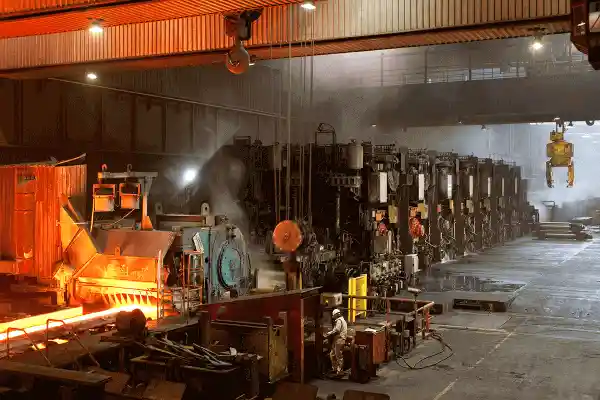
Glacier and GGB plain bearing technologies appear in applications with rotating, oscillating, or linear sliding motion. Typical markets include automotive, aerospace, agriculture, construction, energy, fluid power, industrial machinery, medical equipment, mining, oil and gas, primary metals, and railway systems.
The operating need varies by position. A hydraulic cylinder pivot may require high load capacity, edge-load tolerance, corrosion resistance, and reliable movement during slow oscillation. Construction and mining pivots may add shock, dirt, and limited maintenance access.
By contrast, automotive hinges, seat mechanisms, shock absorbers, and steering positions may prioritize compact size, low friction, noise control, and consistent high-volume production. Meanwhile, pumps and valves can introduce fluid lubrication, cavitation, erosion, or chemical exposure. Each position therefore requires its own material and counterface review.
The counterface is part of the system. Shaft hardness, roughness, finish direction, alignment, housing fit, edge loading, and contamination affect bearing performance. Therefore, buyers should describe the equipment position and motion rather than selecting a material from industry name alone.

Why Do Glacier Bearing References Need Legacy-Code Checks?
Legacy references can create several identification problems. A drawing may show a Glacier trade name, a material grade, a finished part number, or a customer-specific code. The installed component may also have been changed during an earlier repair.
Confirm the following before cross-referencing:
- Exact marking and brand name shown on the part
- Material grade and whether the code is current or historical
- Cylindrical, flanged, washer, strip, plate, or special form
- Inside diameter, outside diameter, width, flange, and wall thickness
- Steel, bronze, composite, plastic, or bimetal backing structure
- Sliding-layer composition and required lubrication condition
- Rotating, oscillating, or linear movement
- Load, speed, temperature, duty cycle, and expected life
- Shaft material, hardness, surface finish, and housing fit
- Corrosion, chemical, moisture, dust, and contamination exposure
A dimensional match is only the first step. Changes in backing, lining, clearance, wall thickness, or counterface requirements can alter installation and performance. For this reason, a modern GGB code or another brand reference should not be declared interchangeable without technical confirmation.
What Details Support an Alternative Supply Review?
Start the inquiry with the complete legacy code and clear photos of the marking. Add a drawing or measured dimensions, because many plain bearings have limited marking space. If a sample is available, it can support material and construction review.
Buyers should also provide load direction, motion type, oscillation angle, speed, temperature, lubrication, shaft data, housing tolerance, environment, quantity, and required delivery. For a coating or special sliding layer, include the substrate, coating area, thickness requirement, mating surface, and acceptance criteria.
HSN can discuss selected plain bearing and bushing requirements based on models, drawings, samples, and working conditions. The inspection plan should match the construction. Dimensional checks and appearance inspection apply broadly, while material verification, hardness, coating, or other tests should be agreed according to the bearing type. Any alternative remains subject to drawing, fit, material, and application confirmation before ordering.
FAQ
Is Glacier Bearing Company the same name as GGB?
Glacier is part of the business history that later became GGB. Use the current product code and documentation for identification.
Are DU and DX the same plain bearing material?
No. They use different metal-polymer structures and lubrication approaches. Confirm the backing, lining, load, speed and environment.
Can a bushing be replaced by matching dimensions only?
No. Also check material, wall thickness, interference, clearance, shaft finish, lubrication, load, motion and environment.
What should buyers send for a Glacier bearing review?
Send the full code, photos, drawing or sample, dimensions, material, shaft and housing data, load, motion and inspection needs.
Remarks
For detailed Glacier bearing models not listed above, please contact HSN for model confirmation and supply discussion. For other bearing types, send the complete model, photos, dimensions, quantity, application, and working conditions.
This article is based on independent analysis of publicly available technical information and industry understanding and is intended for knowledge sharing. All brand names and trademarks belong to their respective owners. HSN Bearing Group is an independent bearing supplier and technical service provider.
Tel: +86 156 6578 7336 Email: service@hsnindustrial.com Website: www.rollingparts.com www.hsnbearing.com
Need Help Checking a Glacier or GGB Bearing Code?
Contact HSN to confirm a hard-to-find model or discuss a replacement after technical review.