
How Should Buyers Evaluate Timken Aerospace Bearings?


Timken Aerospace bearings serve different aircraft positions, including landing wheels, turbine engines, transmissions, and rotorcraft systems. These applications can require tapered roller, precision ball, or cylindrical roller bearings with different load paths, speeds, temperatures, materials, and mounting conditions. A matching bore or similar envelope is therefore not enough to define a suitable bearing.
A sourcing review should begin with the exact aircraft position, complete designation, approved drawing, and required documentation. Buyers should then confirm operating loads, speed, temperature, material and heat-treatment requirements, traceability records, inspection criteria, and qualification scope. This guide explains how those factors affect bearing selection and what information should be included in an aerospace technical inquiry before availability or a proposed alternative is considered.
Table of contents
- Which Timken Aerospace Bearings Serve Aircraft Systems?
- How Do Load, Speed and Temperature Limit Bearing Selection?
- Why Are Material, Heat Treatment and Surface Quality Important?
- Which Traceability and Inspection Records Should Buyers Request?
- Which RFQ Details Support an Aerospace Technical Review?
- FAQ
Which Timken Aerospace Bearings Serve Aircraft Systems?
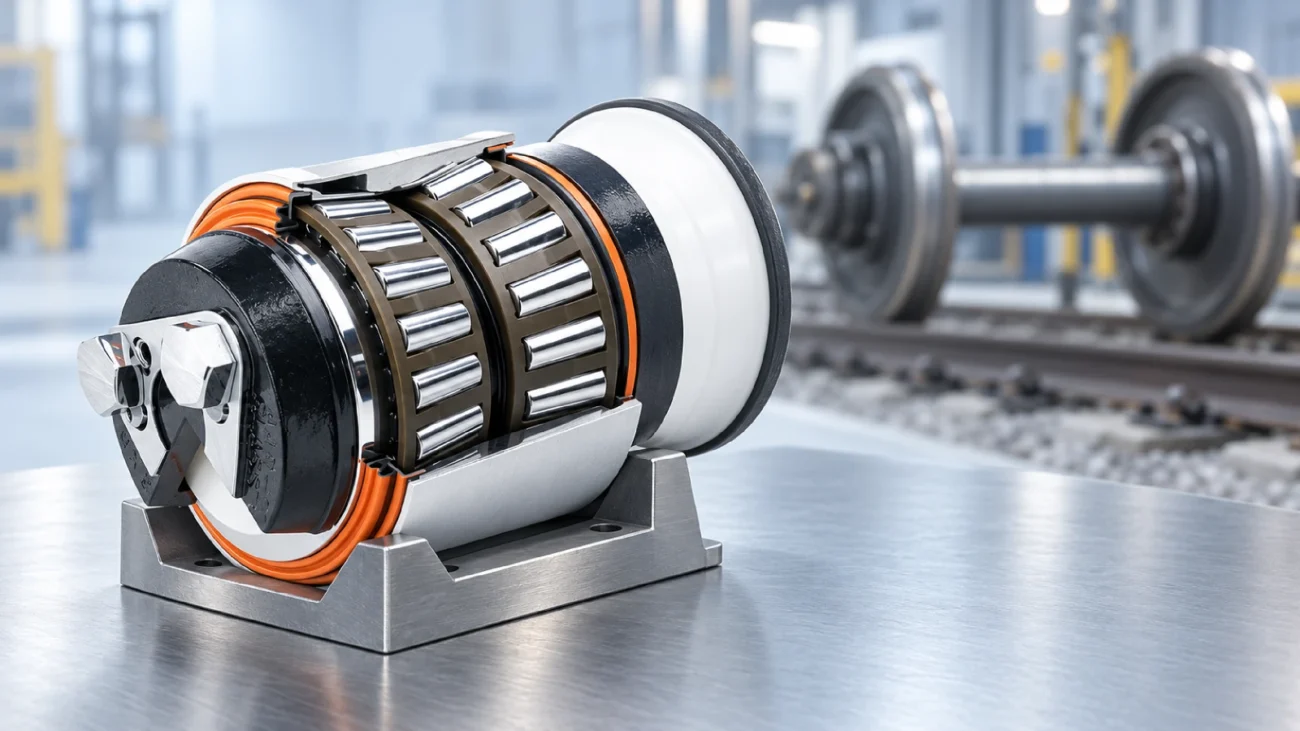
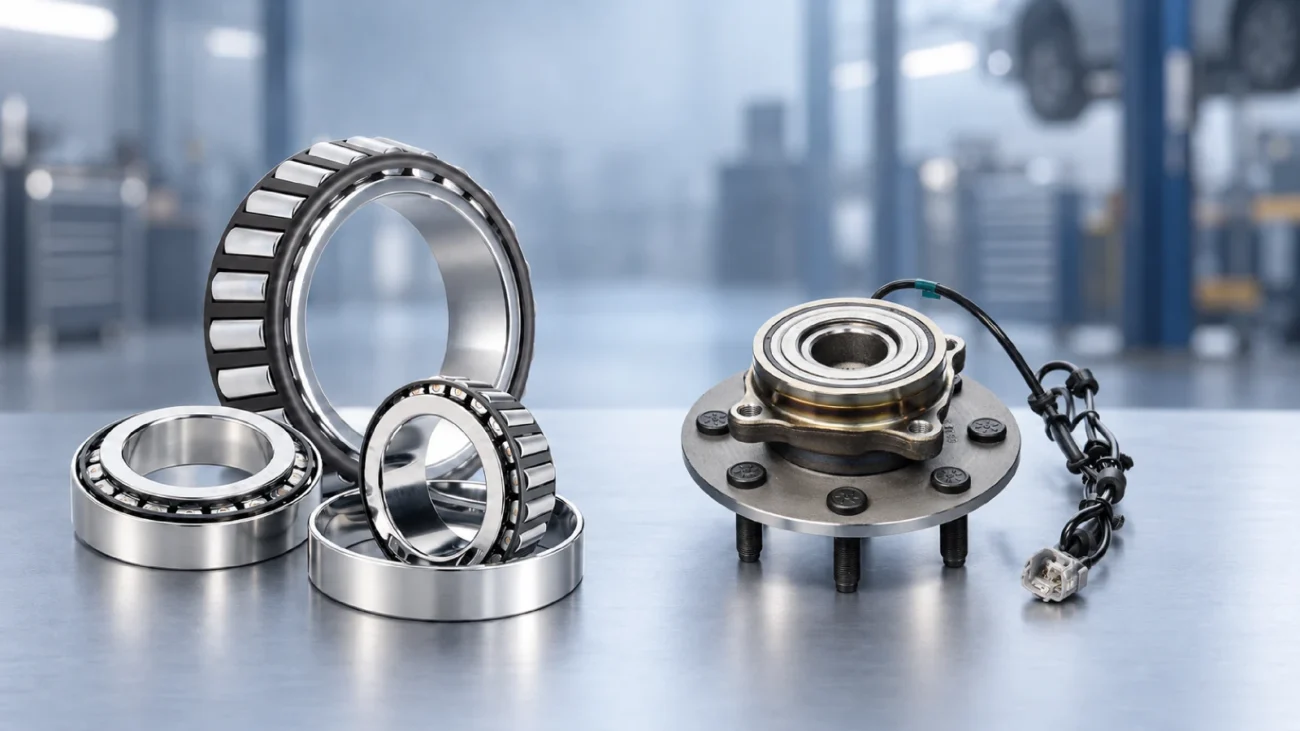
Timken documents several bearing families for aircraft applications. Landing wheels use tapered roller bearings designed for the high loads and rapid acceleration associated with landing and taxi service. Turbine engines may use precision ball and cylindrical roller bearings, while gearboxes and transmissions can use ball, cylindrical roller, or tapered roller designs depending on the shaft position and load path. Rotorcraft introduce additional engine, transmission, and rotor-support positions with their own requirements.
Because these positions operate at different speeds, temperatures, loads, and mounting conditions, ”aerospace bearing” is a market description rather than a complete procurement specification.
| Aircraft position | Timken bearing family | First technical question |
|---|---|---|
| Landing wheel | Tapered roller | Which wheel assembly and approved bearing designation apply? |
| Turbine engine / mainshaft | Precision ball or cylindrical roller | What speed, temperature, load path, and approved configuration apply? |
| Gearbox / transmission | Ball, cylindrical roller, or tapered roller | Which shaft position, load direction, and bearing arrangement apply? |
| Rotorcraft transmission | Ball, cylindrical roller, or tapered roller | Which installed position and configuration must be maintained? |
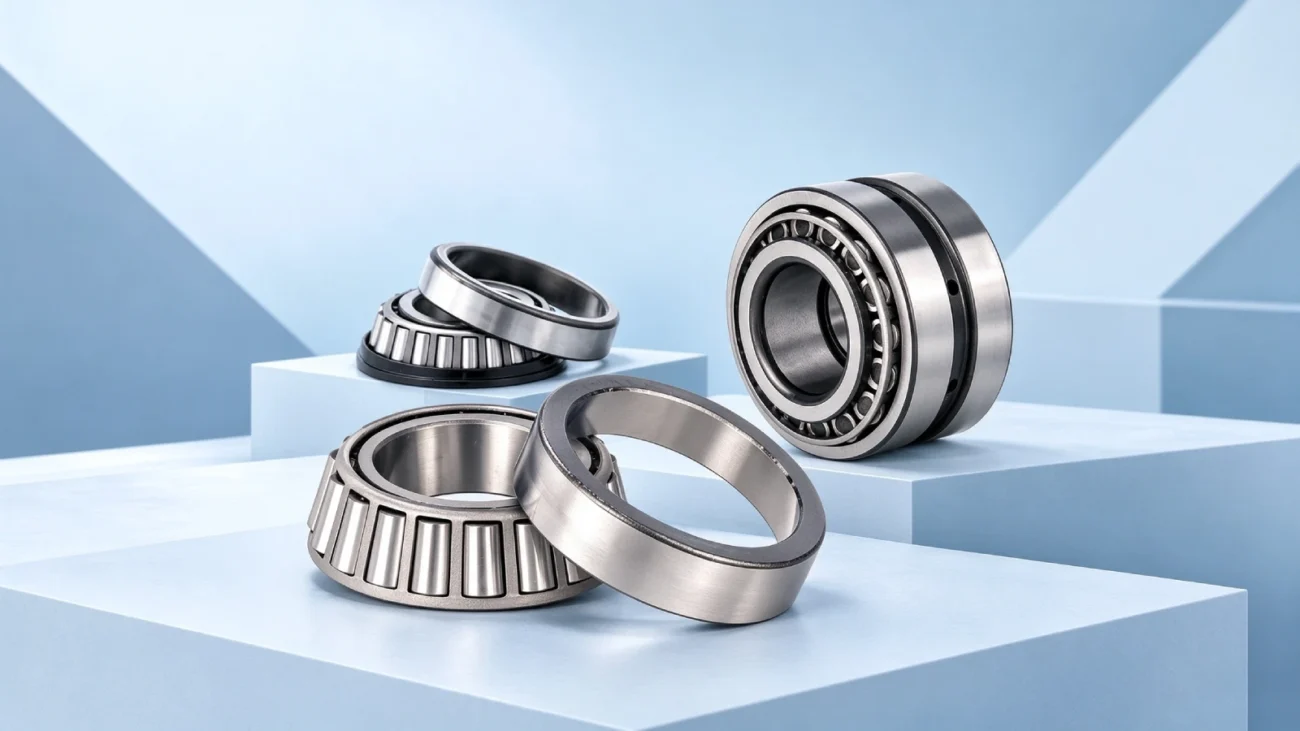
These bearing families are not interchangeable simply because they are used within the same aircraft system. Construction, cage, internal geometry, material, and documented configuration can differ even within one bearing family. Therefore, buyers should identify the exact position and applicable drawing or maintenance documentation before discussing stock or a replacement.
Timken’s Aerospace Design Guide also provides cylindrical roller bearing numbering examples such as RFZ 201-103 and 5 RNF 109-28. In RFZ 201-103, RF identifies the construction type, Z a machined Si-Fe bronze cage, and 201 the size code. In 5 RNF 109-28, 5 identifies VIM-VAR M-50 steel, RN the construction, F a full roller complement, and 109 the size code. The dash numbers identify additional special features, including items such as tolerance class and radial play. These are official numbering examples, but they do not establish current stock or approval for a particular aircraft application.
How Do Load, Speed and Temperature Limit Bearing Selection?
Identify the full load case first: radial, axial, transient, and any reversing force. Tapered contacts can carry combined loads when the bearing arrangement and setting are correct. By contrast, a cylindrical roller position may primarily support radial load, with flange design controlling how much axial guidance it provides. The surrounding shaft supports determine the actual load sharing; a table rating cannot describe it alone.
Speed changes cage guidance, lubrication flow, and heat generation. In an engine location, high rotational speed may also call for a specific roller profile, cage finish, or precision class. Temperature then changes fits and running clearance because the shaft, housing, rings, and lubricant do not respond identically. Discuss the temperature at the bearing, not only ambient air temperature.
Bearing selection requires comprehensive consideration of dimensions, chassis, structural configuration, materials, lubricants, and operating conditions. Thus a candidate with the same outer envelope still needs an application assessment. Ask the responsible engineer to document the duty cycle, maximum speed, thermal range, installation fits, and required running condition. A short-cycle ground test does not independently establish service suitability.
Why Are Material, Heat Treatment and Surface Quality Important?
Material chemistry and cleanliness influence fatigue behavior, while heat treatment controls hardness and dimensional stability. An aerospace drawing may call for a particular steel, processing route, or controlled material lot. A supplier cannot replace that definition with a generic “bearing steel” statement. Ask for the current approved drawing or specification before assessing whether any manufacturing route is acceptable.
Surface finish matters at the raceway, roller ends, guiding ribs, and cage contacts. At high speed, poor guidance or insufficient lubrication can raise heat and wear. Meanwhile, changing a cage material can alter mass, friction, and thermal behavior. These features are part of the part definition, not cosmetic options. Keep the exact suffix and drawing revision alongside the model.
For an alternative-manufacturing inquiry, distinguish what can be measured from what must be qualified. HSN can discuss dimensional, hardness, material, and clearance inspection against an agreed specification. Such inspection does not establish aerospace production approval or flight eligibility. The customer’s designated engineering, quality, and regulatory process decides whether a source or part is acceptable for the intended use.
Which Traceability and Inspection Records Should Buyers Request?
Aerospace procurement needs a clear chain from the part back to the governing specification and production records. Ask which lot identifier, material certificates, heat-treatment evidence, dimensional reports, and conformity documents the customer requires. Match the document package to the exact item and purchase-order terms. A general certificate belonging to another batch has no value for the specific shipment.
Timken’s published supplier requirements emphasize lot identification and material-heat traceability for its own aerospace supplier network. They illustrate why an RFQ should state the required traceability level before quoting. Request evidence of the actual proposed source’s quality system and applicable scope rather than assuming one certification covers every facility or product.
For incoming inspection, list critical characteristics from the approved drawing: bore and outer diameter tolerances, width, runout, surface condition, hardness, and specified clearance or preload. Some checks require special fixtures or methods. An inspection plan must also identify who accepts deviations, how records will be retained, and whether a sample or destructive test is permitted.
Which RFQ Details Support an Aerospace Technical Review?
Start the request with the complete Timken designation and a photograph of every marking. Add the aircraft or assembly identifier, exact bearing position, drawing and revision, quantity, condition of the removed component, and required date. Where permitted, include operating data and the approved parts list. State whether the request concerns an original specified part, a repair route, or a proposed new source; each follows a different decision path.
For a U.S. maintenance deadline, identify the person authorized to approve technical changes and the documents required before release. An exact-part stock search should specify the approved designation, required lot records, quantity, and latest acceptable delivery date. A custom or new-source feasibility request needs the controlled drawing revision, inspection and qualification requirements, expected quantity, and target schedule. Separate “available for review” from “approved for installation” in the purchasing record. If the original designation cannot be found, request a formal engineering evaluation rather than assigning another bearing by dimension.
HSN may help screen a hard-to-find industrial bearing reference, compare drawings, and discuss an inspection or custom feasibility review. In this aircraft context, any proposed item remains subject to the customer’s applicable approval and airworthiness process. The resulting inquiry should define technical requirements before commercial terms.
FAQ
Can an industrial bearing be used in an aircraft position?
Only when the applicable approved design and responsible authority permit that exact part and source.
Does a matching 201 size code prove aircraft suitability?
No. The full designation, drawing revision, materials, records and position-specific approval matter.
What should a U.S. maintenance RFQ include?
Send the exact part, assembly position, approved drawing, quantity, required date and document requirements.
How can HSN assist with an aerospace-related inquiry?
HSN can review a reference or drawing for sourcing feasibility; the customer controls qualification and approval.
Remarks
For detailed models beyond those listed above, or for other bearing types, please contact HSN. Send the complete model, photographs, dimensions, quantity, working conditions, and applicable approval requirements.
This article is based on independent analysis of publicly available technical information and industry understanding, and aims to provide knowledge sharing. All brand names and trademarks mentioned in this article belong to their respective owners. HSN Bearing Group is an independent bearing supplier and technical service provider.
Tel: +86 156 6578 7336 Email: service@hsnindustrial.com Website: www.rollingparts.com www.hsnbearing.com
Need Help With Timken Aerospace Bearings?
Contact HSN to confirm a hard-to-find model or discuss a replacement after technical review.